US Intelligence Detects Alleged Iranian Planning Involving Potential 'Dirty Bomb' Threat
· GlobeWire Daily Editorial Desk · Source: timesofindia.indiatimes.com
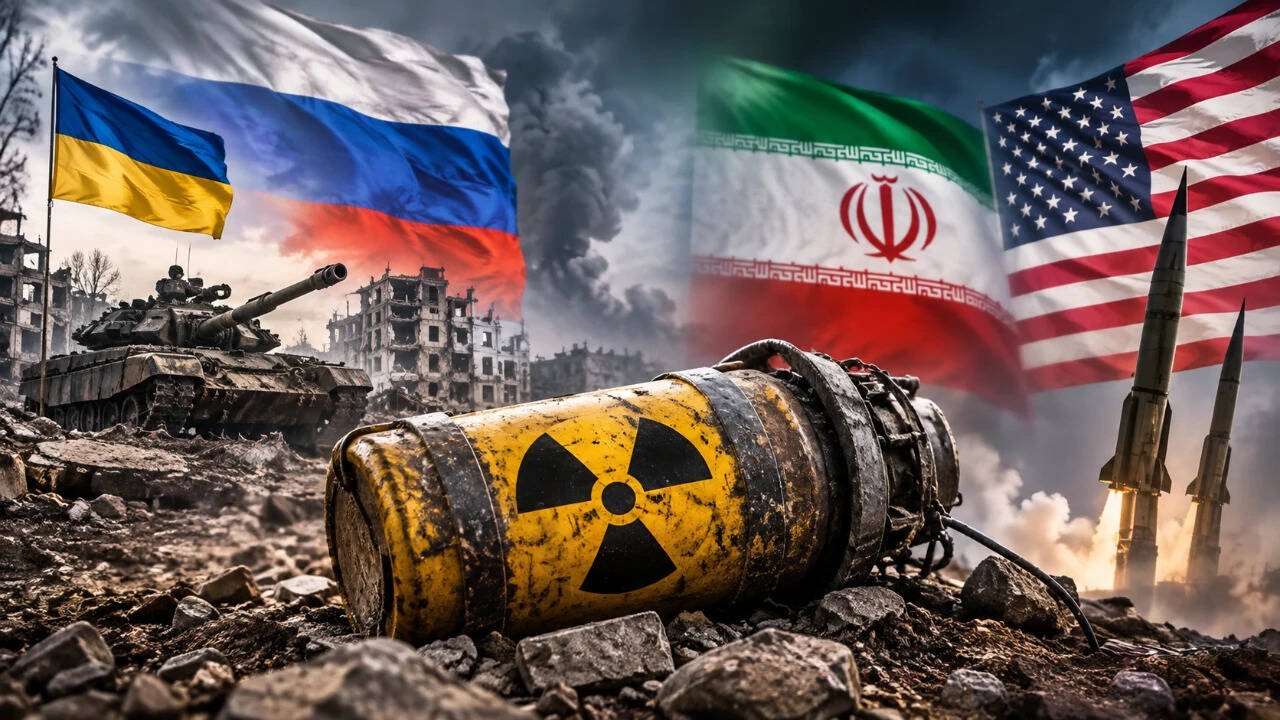
Image: The Times of India · Photo source · Resized and letterboxed to 16:9; no AI generation
According to a CNN report citing seven US officials, American intelligence agencies have detected what officials describe as Iranian planning to potentially target senior members of President Donald Trump's administration in Washington DC using a dirty bomb or a chemical weapon.
The intelligence has triggered contingency planning in the United States, although officials remain divided over whether Iran has the capability or intention to carry out such an attack. Sources familiar with the assessment noted that the planning appeared to be an effort by Tehran to keep its options open rather than evidence of an imminent operation. Iran's foreign ministry has denied the report, terming the allegations baseless.
Official Responses and Denials
- White House: Spokesperson Lauren Bis stated that the administration was monitoring potential threats, adding that there were currently no credible threats to the homeland.
- Iran Mission to the UN: Rejected allegations concerning chemical weapons, stating that Iran considers the use of chemical weapons under any circumstances to be wholly illegitimate, while categorically refuting false allegations. The statement did not explicitly address the intelligence about a possible dirty bomb plan.
Understanding the 'Dirty Bomb' Threat
A dirty bomb, technically known as a radiological dispersion device, combines conventional explosives with radioactive material. When the explosive detonates, it scatters radioactive substances into the surrounding environment through dust, smoke, and debris.
- Mechanism: Unlike a nuclear weapon, a dirty bomb does not trigger a nuclear-fission reaction or destroy an entire city. Its purpose is radioactive contamination and disruption.
- Materials: It can utilize radioactive substances from medicine, industrial equipment, or research facilities.
- Historical Context: In 2022, the term became a talking point during the Russia-Ukraine war after Moscow accused Kyiv of preparing to use such a device. The International Atomic Energy Agency (IAEA) subsequently carried out inspections and found no indications of undeclared nuclear activities.
Potential Impact and Practical Implications
Experts indicate that immediate casualties from a dirty bomb would largely depend on the conventional explosion rather than radiation exposure. However, the wider consequences include:
- Contamination and Clean-up: Radioactive dust can contaminate buildings and infrastructure, requiring costly and prolonged decontamination.
- Economic and Social Disruption: Evacuations, restricted access to urban areas, and psychological impacts can severely disrupt businesses and public services.
Officials continue to monitor developments and assess risks to personnel both domestically and in the Middle East.
AI-assisted reporting; source claims are attributed and have not been independently verified.
More to read
 Two Men Charged in Britain Over Alleged Assistance to Iranian Intelligence at RAF Fairford Base
 Greece and North Macedonia Intelligence Agencies Uncover Alleged Iran-Linked Terror Network
 President Trump Addresses Reports of Alleged Iranian Threats Against US
 Bijnor Police Arrest Man Over Alleged Visa and Job Fraud Involving Russia