WHO-World Bank Report Highlights Global Progress and Persistent Gaps in Universal Health Coverage
· GlobeWire Daily Editorial Desk · Source: www.who.int
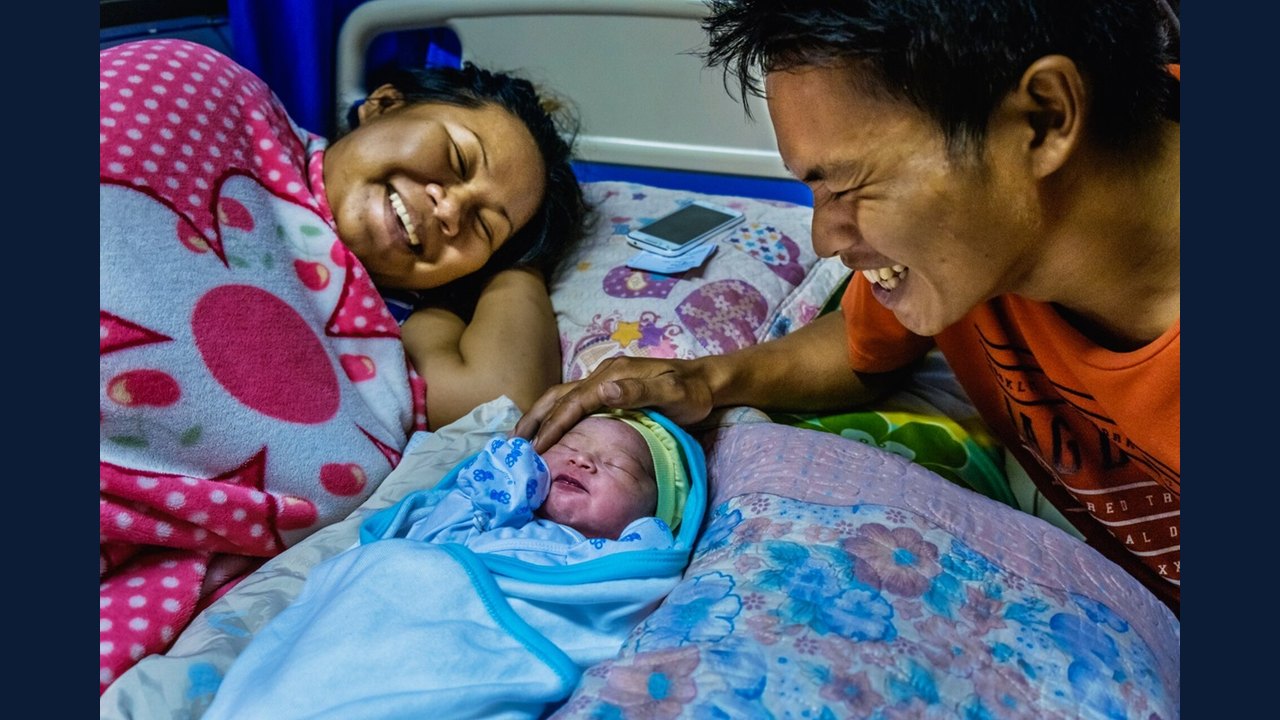
Image: www.who.int · Photo source · Resized and letterboxed to 16:9; no AI generation
A new joint report by the World Health Organization (WHO) and the World Bank Group indicates that most countries have made concurrent progress in expanding health service coverage and reducing financial hardship since 2000. However, significant challenges and inequalities remain as the global community works toward the 2030 universal health coverage (UHC) goal.
According to the UHC Global Monitoring Report 2025, the Service Coverage Index (SCI) rose globally from 54 to 71 points between 2000 and 2023. Meanwhile, the share of people experiencing financial hardship due to out-of-pocket (OOP) health payments declined from 34% in 2000 to 26% in 2022. Despite these advances, the report cautions that an estimated 4.6 billion people worldwide still lack access to essential health services, and 2.1 billion experience financial hardship to access care.
Key Findings and Financial Hardship
- Medicines Burden: In three-quarters of countries with available data, medicines account for at least 55% of people's OOP health expenses. People living in poverty allocate a median of 60% of their OOP health expenses to medicines.
- Inequalities: In 2022, three out of four people among the poorest segment faced financial hardship from health costs, compared with fewer than 1 in 25 among the richest.
- Slowed Progress: The global progress rate has slowed since 2015, with only one-third of countries improving in both increasing coverage and reducing financial hardship.
Dr. Tedros Adhanom Ghebreyesus, WHO Director-General, noted that universal health coverage remains out of reach for billions amid severe cuts to international aid, urging countries to invest in their health systems.
Recommended Actions
The report outlines six core areas for action:
- Ensure essential health care is free at the point of care for vulnerable populations.
- Expand public investments in health systems.
- Address high out-of-pocket spending on medicines.
- Accelerate access to essential noncommunicable disease (NCD) services.
- Strengthen primary health care to promote equity.
- Adopt multisectoral approaches for health determinants.
Practical Implications and Verification
The findings are based on the UHC Global Monitoring Report 2025, incorporating revised SDG indicators for 195 countries or territories for service coverage and 168 countries for financial hardship. Stakeholders and the public can verify the original data and announcements directly through the World Health Organization and World Bank Group official portals, or register for upcoming technical webinars hosted by WHO, the World Bank Group, UHC2030, and the Joint Learning Network.
AI-assisted reporting; source claims are attributed and have not been independently verified.
More to read
 AIIMS Gorakhpur Highlights Antimicrobial Resistance as a Global Health Challenge
 India Sees 38% Decline In TB Deaths Since 2015, Outperforms Global Progress: WHO Report
 Local Development Minister Reviews Greater Cairo Air Pollution Project Progress with World Bank
 Global Biodiversity Summit Concludes in Yerevan with Renewed Commitments and Persistent Funding Gaps