Controversy Surrounds IDBI Bank Stake Sale to Fairfax Over Valuation and Procedure
· GlobeWire Daily Editorial Desk · Source: www.indiatoday.in
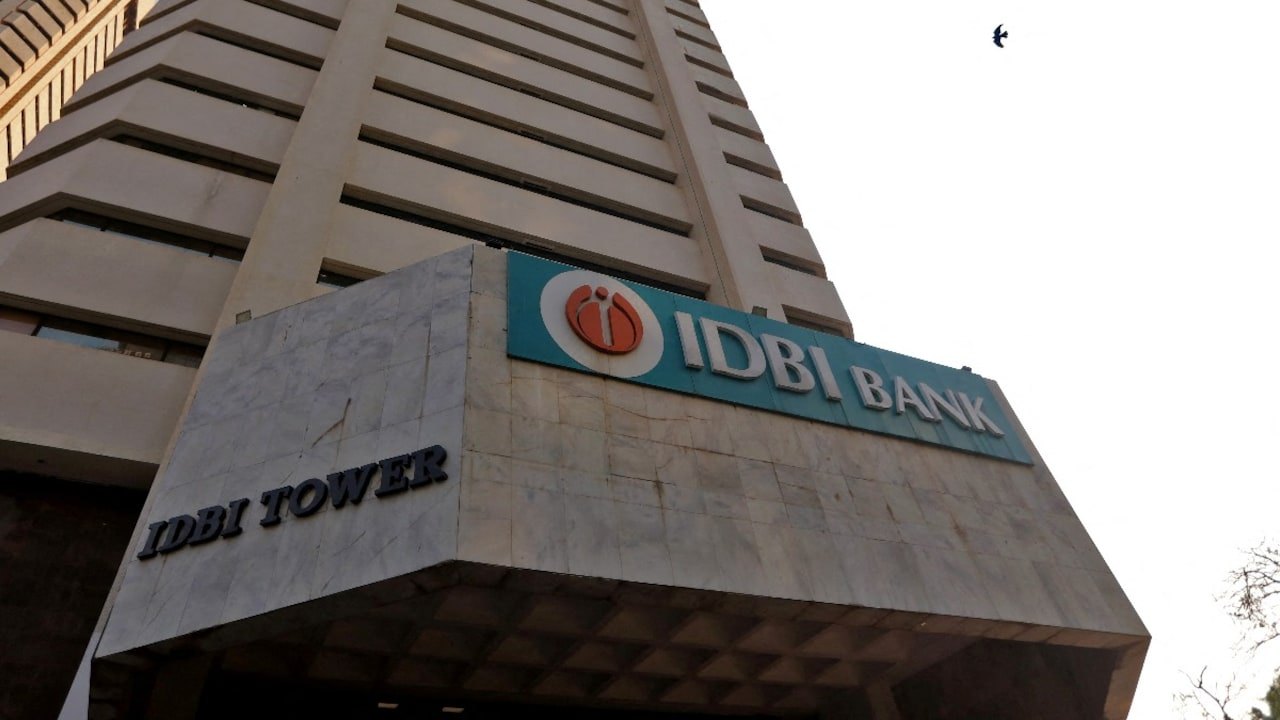
Image: India Today · Photo source · Resized and letterboxed to 16:9; no AI generation
The planned sale of a majority stake in IDBI Bank to Fairfax Financial Holdings has drawn political opposition and scrutiny regarding its valuation methodology and bidding procedures. On October 14, 2026, the Cabinet Committee on Economic Affairs approved selling a 60.72% stake to Fairfax for Rs 52,878 crore. Opposition leaders and media reports have questioned the process, while the Finance Ministry has defended the transaction as fully compliant with delegated powers and independent valuations.
Transaction Overview and Financial History
- Stake Structure: The deal involves selling 30.48% held by the Government of India and 30.24% held by the Life Insurance Corporation (LIC). The government and LIC will retain 15% and 19% stakes, respectively.
- Buyer: 10955230 Canada Inc., a subsidiary of Fairfax Financial Holdings led by Prem Watsa.
- Past Financial Stress: IDBI Bank was placed under the RBI's Prompt Corrective Action framework in May 2017 due to high non-performing assets, but restrictions were lifted in March 2021 after financial recovery.
Core Controversies and Procedural Questions
- Valuation Shifts: Media reports citing internal government notes indicated that after initial bids failed to meet the reserve price of Rs 94.42 per share, a revised benchmark of Rs 75.99 per share was established, against which Fairfax's offer of Rs 81 per share was accepted.
- Comparator Selection: The valuation used listed public sector banks instead of private banks, despite the RBI regulating IDBI Bank as a private lender since 2019.
- Rule References: Internal minutes reportedly referenced the Railway Stores Code and General Financial Rules provisions for disposing of government goods when dealing with bids below the reserve price.
Government Defense and Political Response
- Ministry Clarification: The Finance Ministry defended the process on October 29, stating that the Core Group of Secretaries on Disinvestment (CGD) acted within its delegated powers under a 2017 CCEA decision. Officials maintained that the valuation was independently conducted using a double-blind method.
- Tax Indemnity: The ministry defended a Rs 627 crore tax indemnity provision, arguing it encouraged higher bids that increased the transaction value by Rs 3,917 crore.
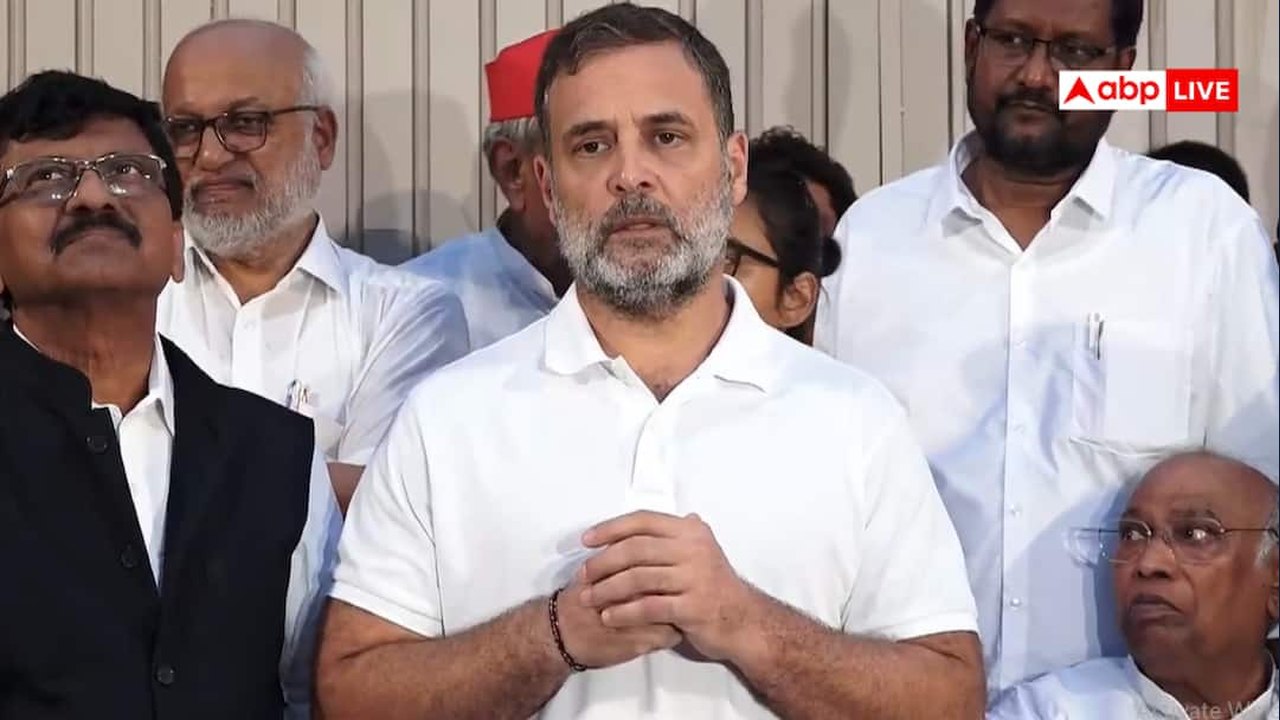
- Political Opposition: Leader of Opposition Rahul Gandhi criticized the privatization of a profitable bank, raising concerns over employee job security, pensions, and reservation policies in an open letter.
No judicial or investigative agency has established fraud or criminal wrongdoing in the transaction.
AI-assisted reporting; source claims are attributed and have not been independently verified.
More to read
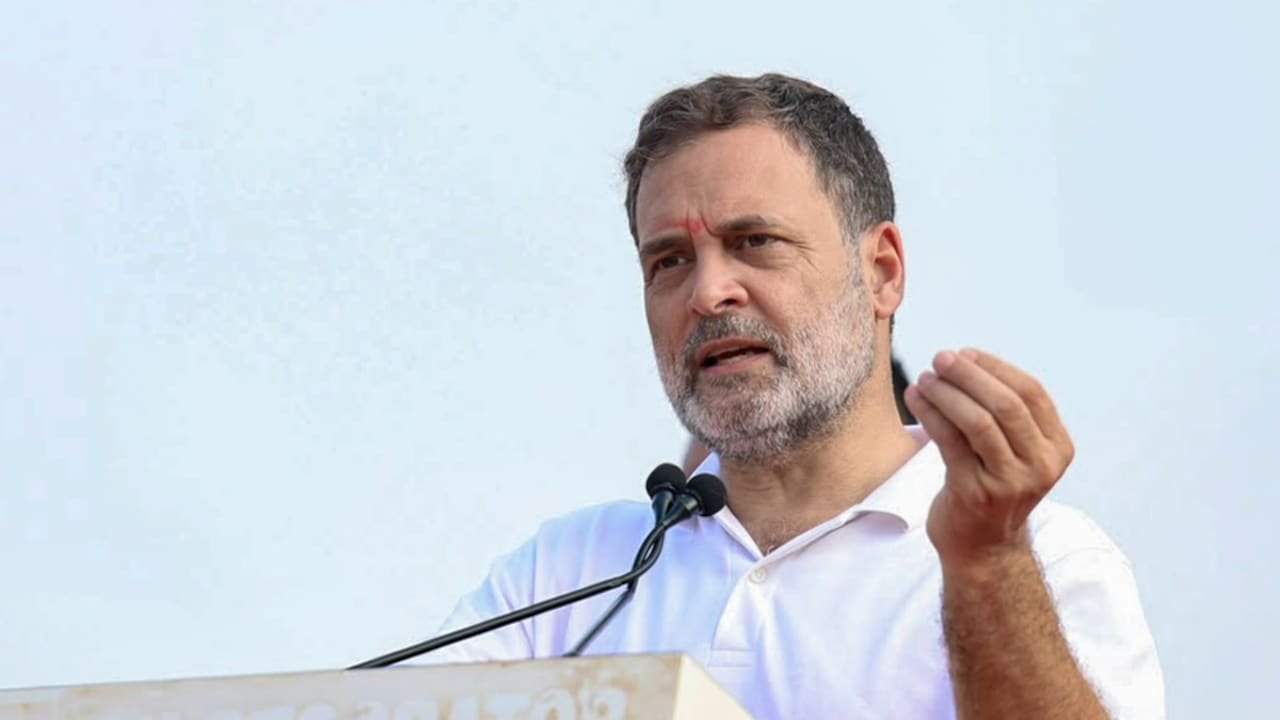 Congress Built Banks, BJP is Selling Them: Rahul Gandhi Opposes IDBI Bank Stake Sale to Fairfax
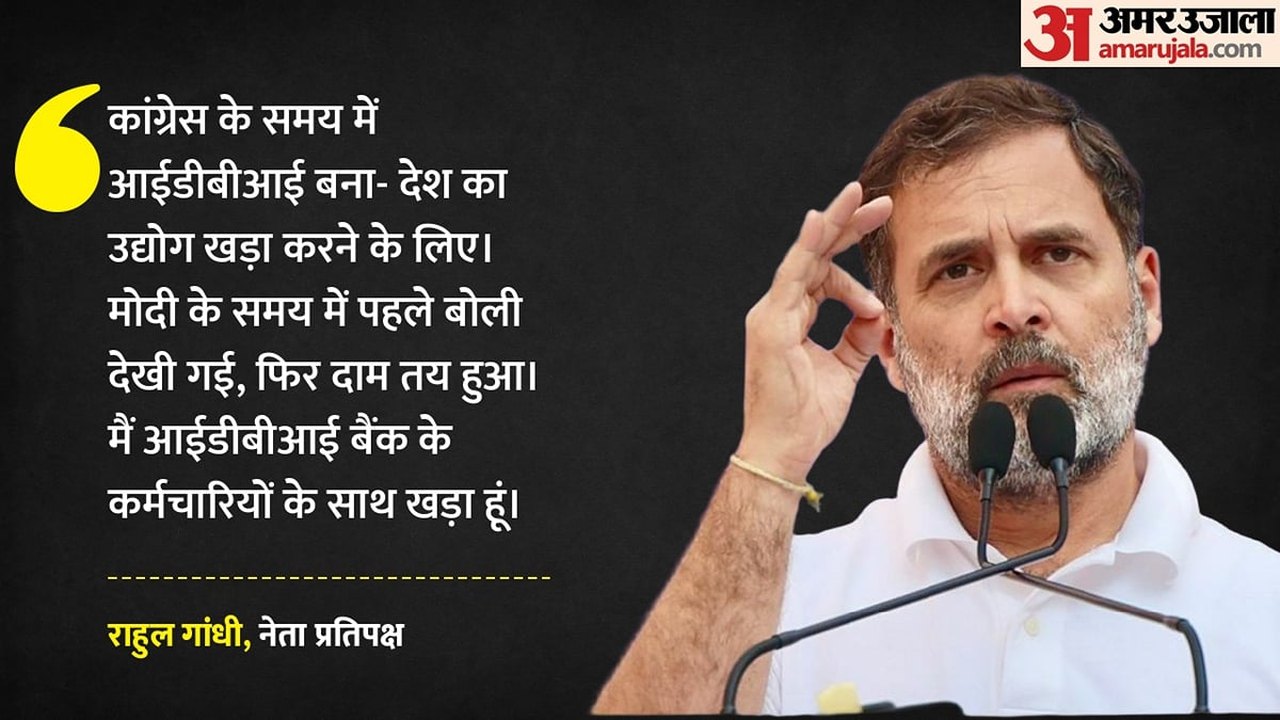 Rahul Gandhi Opposes IDBI Bank Sale to Canada's Fairfax, Raises Concerns Over Jobs and Profit
 Finance Ministry Defends IDBI Bank Valuation, Cites ₹3,917 Crore Increase in Deal Value
 Rahul Gandhi Voices Support for IDBI Employees Amid Disinvestment Controversy