Exploring the Art and Impact of Fernando Botero's Rotund Masterpieces
· GlobeWire Daily Editorial Desk · Source: www.bbc.com
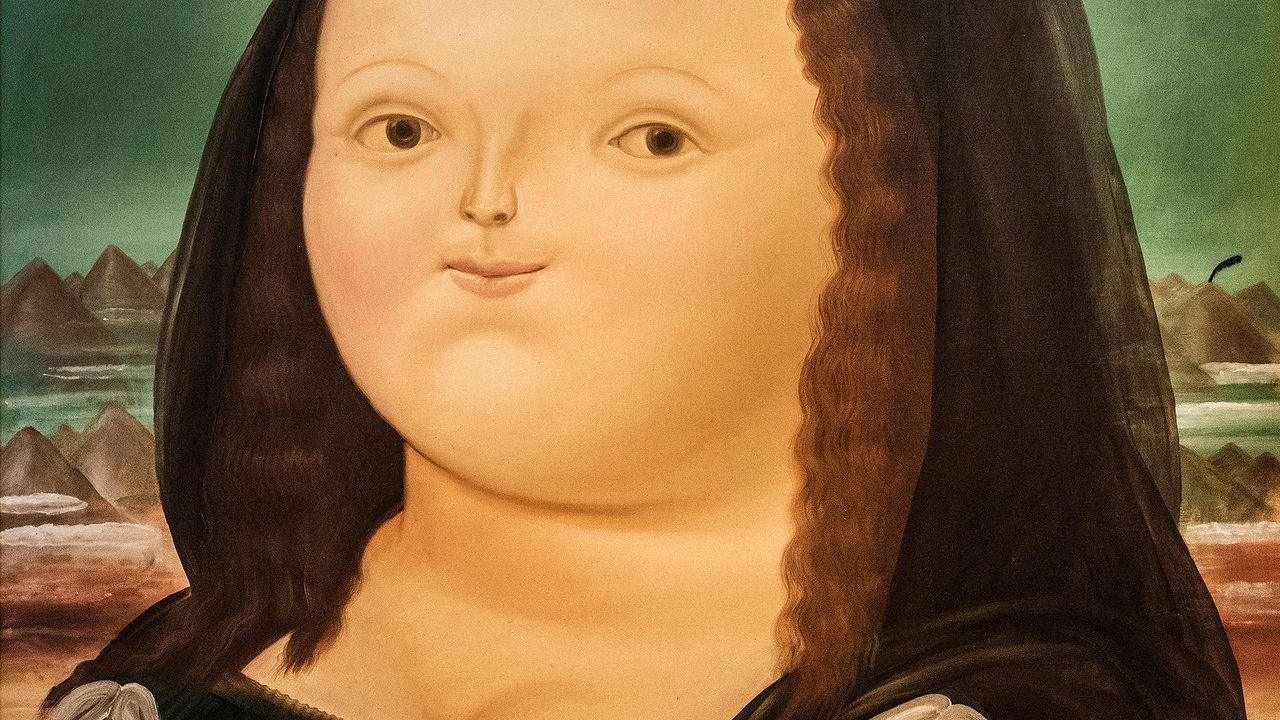
Image: www.bbc.com · Photo source · Resized and letterboxed to 16:9; no AI generation
Understanding Boterismo
The late Colombian artist Fernando Botero is globally recognized for his distinct signature style, known as "Boterismo," which features voluptuous figures, large heads, and round bodies. Opera Gallery Madrid director Belén Herrera Ottino notes that his work is instantly identifiable due to this personal visual language.
Botero's approach involved reimagining iconic European masterpieces—such as Leonardo da Vinci's *Mona Lisa* and Diego Velázquez's *Las Meninas*—through his focus on amplified volume and form. While observers often describe his subjects as "fat," Botero explicitly rejected this term during his lifetime. In a 2014 interview with *El Mundo*, he stated that he painted volume rather than fat figures.
Influences and Origins
According to the artist's son, Fernando Botero Zea, the style originated in Mexico City in 1956 when Botero accidentally painted a small sound hole on a mandolin in *Still Life with Mandolin* (1957), creating a sense of exploded volume.
Botero's fascination with European art was sparked after moving to Madrid in 1952, where he studied at the Royal Academy of Fine Arts of San Fernando and worked at the Prado Museum. Key inspirations included:
- Piero della Francesca: Works like *Meeting between the Queen of Sheba and King Solomon* and *The Duke and Duchess of Urbino* directly influenced his compositional choices.
- Paolo Uccello: The rotund horses in *The Battle of San Romano* mirrored elements found in Botero's own creations, such as *El Arrastre*.
- Pre-Columbian Art: Scholars note that pre-Columbian traditions, which frequently utilized rounded forms, also contextualized his artistic practice.
Art History and Cultural Dialogue
Nicolás Gómez Echeverri, director of arts at the Central Bank of Colombia, explains that Botero's engagement with European art explored Latin America's relationship to Western traditions. By placing his own works alongside donations of pieces by Picasso, Monet, and Dalí at the Botero Museum in Bogotá, the artist communicated that his creations belonged in the same tier of artistic significance.
Furthermore, experts suggest Botero blurred the boundaries between high art and popular visual culture, demonstrating how imported European imagery integrated into everyday Latin American life.
Current Exhibitions
- *Fernando Botero: in Praise of an Amplified World* is on display at Opera Gallery in London until 22 November.
- The permanent collection remains accessible at the Botero Museum in Bogotá, Colombia.
AI-assisted reporting; source claims are attributed and have not been independently verified.
More to read
 Exploring Career Opportunities in International Holiday Sales and Destination Expertise
 Karnataka Government Approves Rs 14 Crore Survey for Impact Assessment of Guarantee Schemes
 Exploring Child Development: Online Event Focuses on Neuroscience and Learning
 Exploring Selected Case Options for the iPhone 18 Pro
Related coverage
Related reporting available at publication.
Exploring Career Opportunities in International Holiday Sales and Destination ExpertiseKarnataka Government Approves Rs 14 Crore Survey for Impact Assessment of Guarantee SchemesExploring Child Development: Online Event Focuses on Neuroscience and LearningExploring Selected Case Options for the iPhone 18 Pro Ferrari Luce EV Sold Out Through 2027 Despite Early Design Backlash
 Judge Dismisses Trump’s Defamation Lawsuit Against Wall Street Journal Over Epstein Article