India Face Lower-Order Challenge Ahead of New Zealand Test Series
· GlobeWire Daily Editorial Desk · Source: timesofindia.indiatimes.com
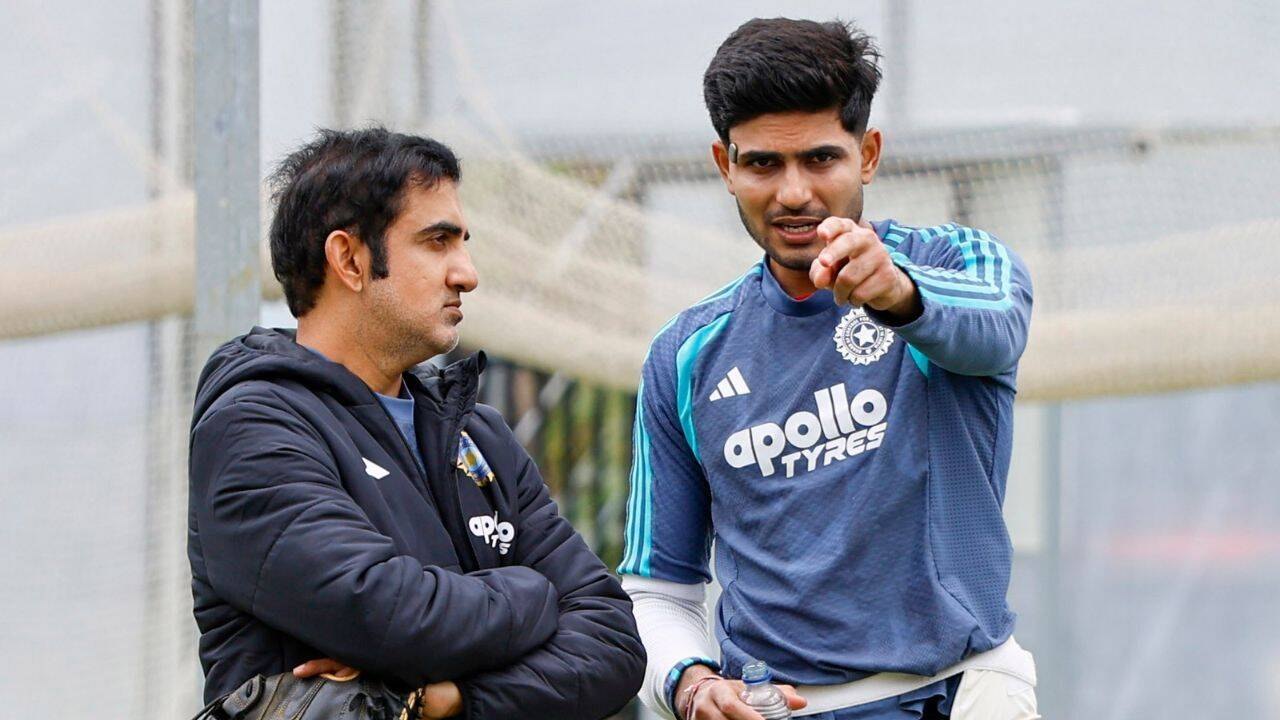
Image: The Times of India · Photo source · Resized and letterboxed to 16:9; no AI generation
India's struggle to dismiss opposition lower-order batters has emerged as a persistent tactical concern ahead of their upcoming Test series against New Zealand in Wellington. According to reports, this vulnerability has continued under the leadership of captain Shubman Gill, impacting important matches in the World Test Championship (WTC).
The Lower-Order Problem
Statistical reports indicate that opposition tailenders have consistently added crucial runs in recent series:
- England: Added 369 runs in eight innings.
- West Indies: Scored 201 runs in four innings.
- South Africa: Accumulated 213 runs in three innings.
- Sri Lanka: Conceded 145 runs in four innings, allowing the tail to survive 95.2 overs and resulting in a drawn Test in Colombo.
Coach's Assessment and Tactics
Bowling coach Morne Morkel addressed reporters in Wellington, acknowledging that wrapping up the opposition innings is a vital requirement for winning Test matches. Morkel noted that New Zealand possess bowlers capable of building crucial lower-order partnerships.
Key tactical points highlighted by the coaching staff include:
- Avoiding complacency when bowling to lower-order batters.
- Maintaining aggressive fields rather than allowing tailenders to settle with open fields.
- Applying consistent pressure from both ends using varied bowling combinations.
- Testing defences with short balls and disciplined lines.
Captain Shubman Gill has previously emphasized the rapid shifts in momentum caused by lower-order resistance and will need to implement sharp tactical adjustments during the upcoming matches against New Zealand.
How to Verify
Fans and analysts can follow official updates and press conferences through the Board of Control for Cricket in India (BCCI) and New Zealand Cricket (NZC) official portals, or verified sports news broadcasters.
AI-assisted reporting; source claims are attributed and have not been independently verified.
More to read
 India Face Selection Headaches as Gill Outlines WTC27 Goals Ahead of New Zealand Test Series
 Shubman Gill Shapes India's Test Culture Ahead of New Zealand Series
 India Set for Major Test Squad Overhaul Ahead of New Zealand Series Opener in Wellington
 India Faces Historic Challenge in Upcoming Test Series Against New Zealand