Chinese Lidar Maker Hesai Faces U.S. Security Scrutiny Amid Nvidia Ties
· GlobeWire Daily Editorial Desk · Source: www.cnbc.com
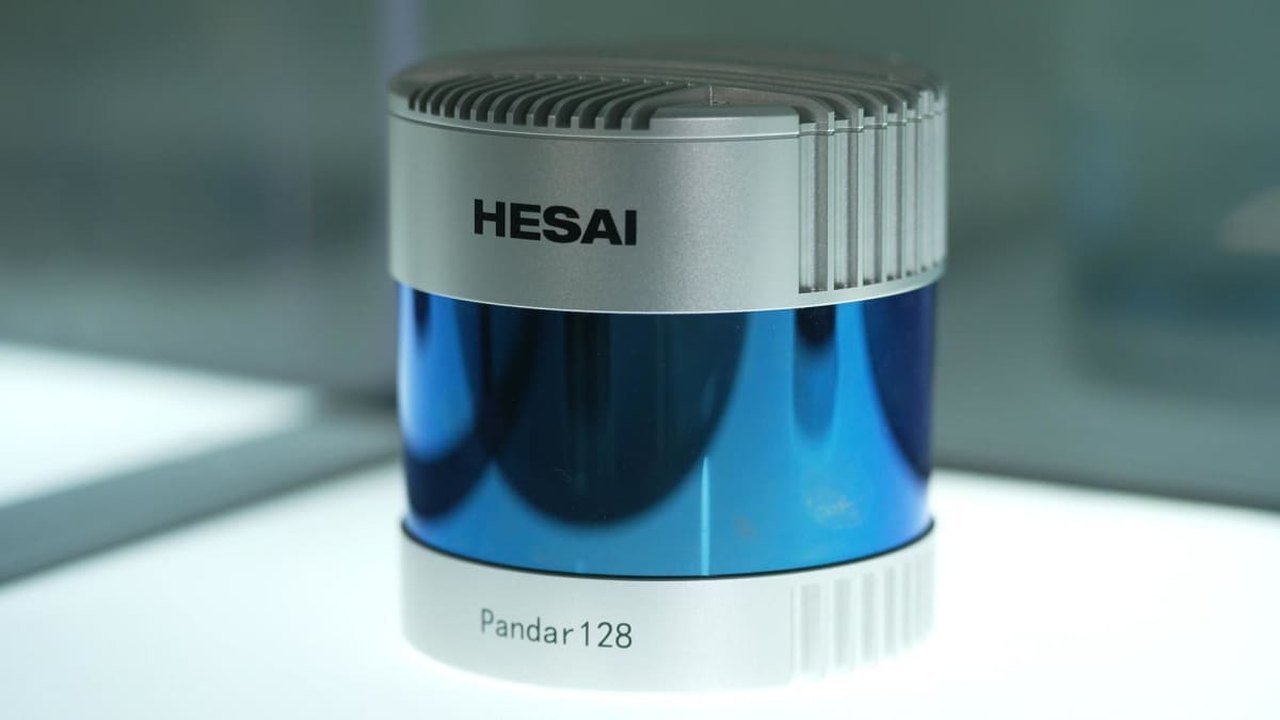
Image: Melissa Lee,Paige Tortorelli,Scott Zamost · Photo source · Resized and letterboxed to 16:9; no AI generation
Shanghai-based lidar manufacturer Hesai Technology faces increased scrutiny from U.S. government officials, lawmakers, and policy experts over potential national security and cybersecurity risks. While the company supplies critical sensors for autonomous vehicles and robotics, its integration into Western systems has sparked debate regarding data collection and foreign oversight.
Pentagon Blacklist and Legal Challenge
The U.S. Department of Defense designated Hesai as a Chinese military entity in 2024, placing the company on a federal blacklist that blocks it from securing Pentagon contracts. However, the designation does not bar U.S. companies from using Hesai products in nonmilitary applications. Hesai sued the Defense Department in federal court in May 2024 to challenge the designation, but lost the lawsuit in 2025 and is currently appealing the decision. In court filings, the Pentagon cited Hesai's headquarters location in a district associated with military-civil fusion and its supplier relationships with state-owned defense conglomerates.
Hesai co-founder and CEO David Li defended the company, stating that the allegations lack sufficient evidence and logic. Li noted that Hesai's sensors do not possess memory capacity to store data and that partners are responsible for securing collected information. He also stated that commercial agreements prohibit military use, though the company cannot physically control where hardware ends up after purchase.
Market Presence and Nvidia Partnership
Despite the blacklist, Hesai's commercial footprint has expanded. Under an expanded partnership with Nvidia, Hesai sensors are offered as an integration option for automakers utilizing Nvidia's autonomous vehicle platforms. Nvidia CEO Jensen Huang noted the company's focus on robotics and autonomous driving during a keynote address in January. Hesai supplies sensors to numerous autonomous vehicle and trucking companies, and its technology is also deployed at New York's John F. Kennedy International Airport to monitor pedestrian and traffic flow.
Industry analysts attribute Hesai's market share to its pricing advantages, with units reduced significantly compared to Western alternatives. U.S. SEC filings indicate that Hesai has received Chinese government subsidies and preferential tax rates, though company representatives maintain that such tax incentives are standard global practices for stimulating technology innovation and are broadly available to qualifying domestic and foreign firms.
Cybersecurity Vulnerabilities and Policy Concerns
Security experts and academic researchers have raised alarms regarding potential vulnerabilities in lidar technology. Miroslav Pajic, a researcher at Duke University, demonstrated in laboratory settings that lidar sensors can be spoofed or manipulated using firmware-inserted malware to generate phantom objects or conceal physical obstacles. Additionally, industry representatives noted a 2024 firmware update error that caused a temporary operational stoppage across Hesai sensors during a leap year calculation, highlighting potential system reliability risks.
Lawmakers, including U.S. Representative John Moolenaar, have expressed concerns that Chinese-made lidar could serve as a backdoor for sensitive data collection or infrastructure disruption. Proposed legislation aims to address reliance on Chinese automotive and sensor technologies, though no current laws prohibit commercial sales or trading of Hesai shares on public exchanges.
Practical Implications and Verification
- Verify Original Disclosures: Review official SEC filings from Hesai Technology and regulatory updates from the U.S. Department of Defense and the Federal Communications Commission.
- Examine Partner Statements: Consult direct public statements from automotive partners regarding data isolation protocols and hardware vetting standards.
- Assess Regulatory Updates: Monitor ongoing congressional proposals and trade restrictions concerning foreign-made components in autonomous infrastructure.
AI-assisted reporting; source claims are attributed and have not been independently verified.
More to read
 Mercedes-Benz Faces US Congressional Scrutiny Over Chinese Ownership and Tech Ties
 Nvidia Faces Crucial Earnings Call Amid Leadership Shake-Up and Market Scrutiny
 Critics Balk at Jensen Huang’s Possible Nvidia Return Amid Scrutiny of Trump Administration Ties
 Nvidia CEO Jensen Huang Faces US Intelligence Alert Over Alleged Meetings with Chinese Spy