Europe Faces Growing Unease From Recent Cyberattacks and Bomb Threats
· GlobeWire Daily Editorial Desk · Source: www.nytimes.com

Image: www.nytimes.com · Photo source · Resized and letterboxed to 16:9; no AI generation
Recent weeks have seen a series of disruptions across Europe, including hacked supermarket refrigerators and blood banks, bomb threats grounding dozens of flights and emptying newsrooms, and a widespread software vulnerability warning issued by European governments. The British government also launched a public campaign urging citizens to be ready.
These events have caused practical disruptions such as spoiled food, flight delays and diversions, and the deployment of military jets to escort certain planes. Officials and experts note that while the full impact varies, the incidents collectively expose broader digital and physical vulnerabilities.
Impact on Daily Life and Security
- Supermarket refrigerators and blood banks experienced hacking incidents.
- Bomb threats affected flight operations and forced newsrooms to evacuate.
- Governments warned of ubiquitous software vulnerabilities.
- The British government introduced a "Be Ready" awareness campaign.
Ciaran Martin, a former top British cyber official, stated that psychological destabilization has been achieved, adding to public insecurity regarding everyday routines like grocery shopping.
Investigation and Attribution Status
- The identities of those responsible for the intrusions remain unclear.
- Western officials have previously blamed Russia for an intensifying wave of sabotage operations aimed at undermining European support for Ukraine.
- A Kremlin spokesman denied involvement when asked about the refrigerator attacks.
- Italian Defense Minister Guido Crosetto told reporters that the attacks share a motivation to create panic, noting related issues such as recent drone sightings over military sites and airports.
Authorities continue to investigate whether the incidents are connected through a single actor or a shared intent. Readers can verify official updates through statements from European cybersecurity agencies and government press briefings.
AI-assisted reporting; source claims are attributed and have not been independently verified.
More to read
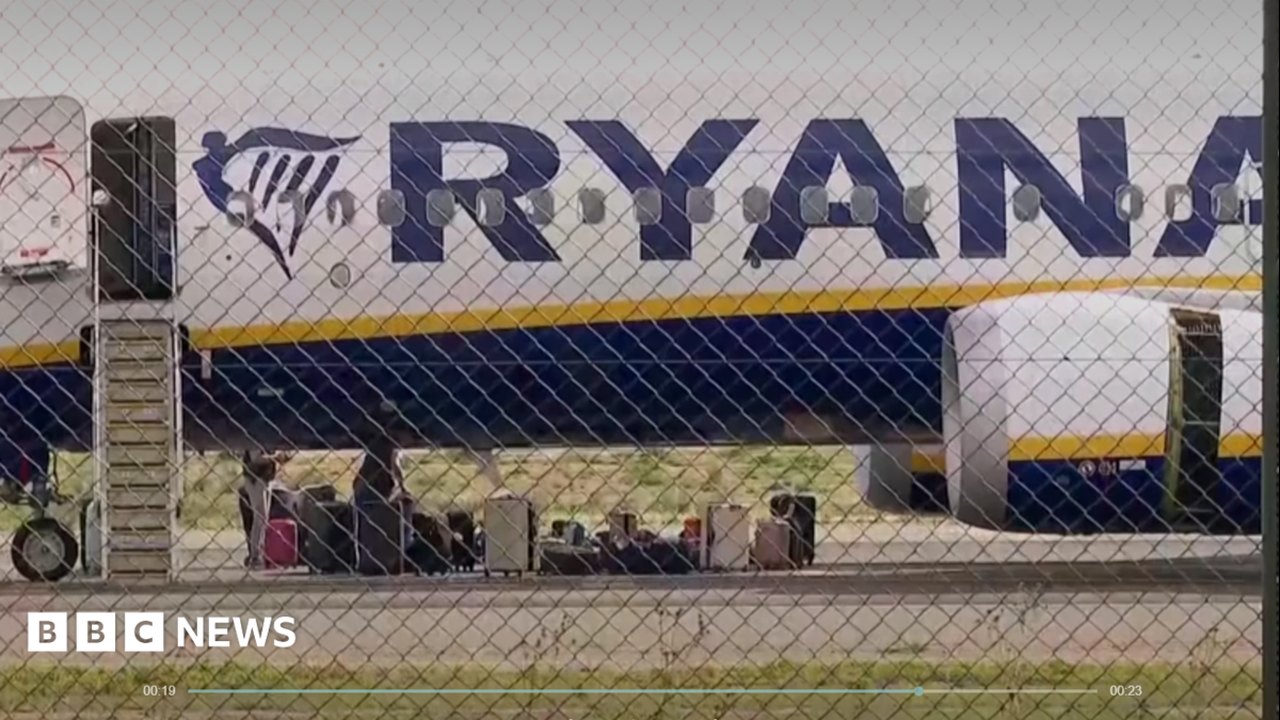 Suspected Bomb Threats Target Seven Flights Across Europe
 US Secretary of State Marco Rubio Says Zero Evidence Links Recent Outages to Cyberattacks
 Former Nvidia CEO Jensen Huang Faces Allegations of Verbal Abuse and Threats in New Report
 Aviation Faces Hotter, Stormier Skies and Growing Disruption Risks