Former Uber Security Chief Convicted Over 2016 Data Breach Cover-Up
· GlobeWire Daily Editorial Desk · Source: www.bbc.com
Image: www.bbc.com · Photo source · Resized and letterboxed to 16:9; no AI generation
A federal jury in San Francisco has convicted Joe Sullivan, Uber's former chief security officer, of obstruction of justice and concealing a felony in connection with a 2016 data breach. According to the US Department of Justice, the charges stemmed from efforts to hide the incident from the Federal Trade Commission (FTC) and authorities rather than the act of negotiating with the hackers themselves.
Case Details and Allegations
- The Breach: In 2016, hackers accessed data belonging to approximately 57 million Uber users and 600,000 drivers.
- The Ransom: Sullivan arranged for a $100,000 bitcoin payment to the hackers, disguised as a bug bounty, in exchange for non-disclosure agreements.
- Regulatory Context: At the time of the 2016 attack, the FTC was already investigating Uber regarding a previous 2017 data incident.
- Subsequent Actions: Uber's new management eventually reported the 2016 breach to regulators in 2017 after discovering the incident.
Defense and Industry Reaction
Following the verdict, defense lawyers noted Sullivan's career focus on internet data safety. Legal representatives have indicated potential plans to appeal the decision, and Sullivan has not yet been sentenced.
Cyber-security experts have expressed varying perspectives on the precedent set by holding a corporate security executive personally accountable for incident response decisions. Observers emphasize the importance of transparency and adhering to reporting regulations when managing cyber threats.
Practical Implications and Verification
For practical verification, readers can review public court records through the US Department of Justice official website or consult legal analyses from established news organizations regarding the federal trial outcome.
AI-assisted reporting; source claims are attributed and have not been independently verified.
More to read
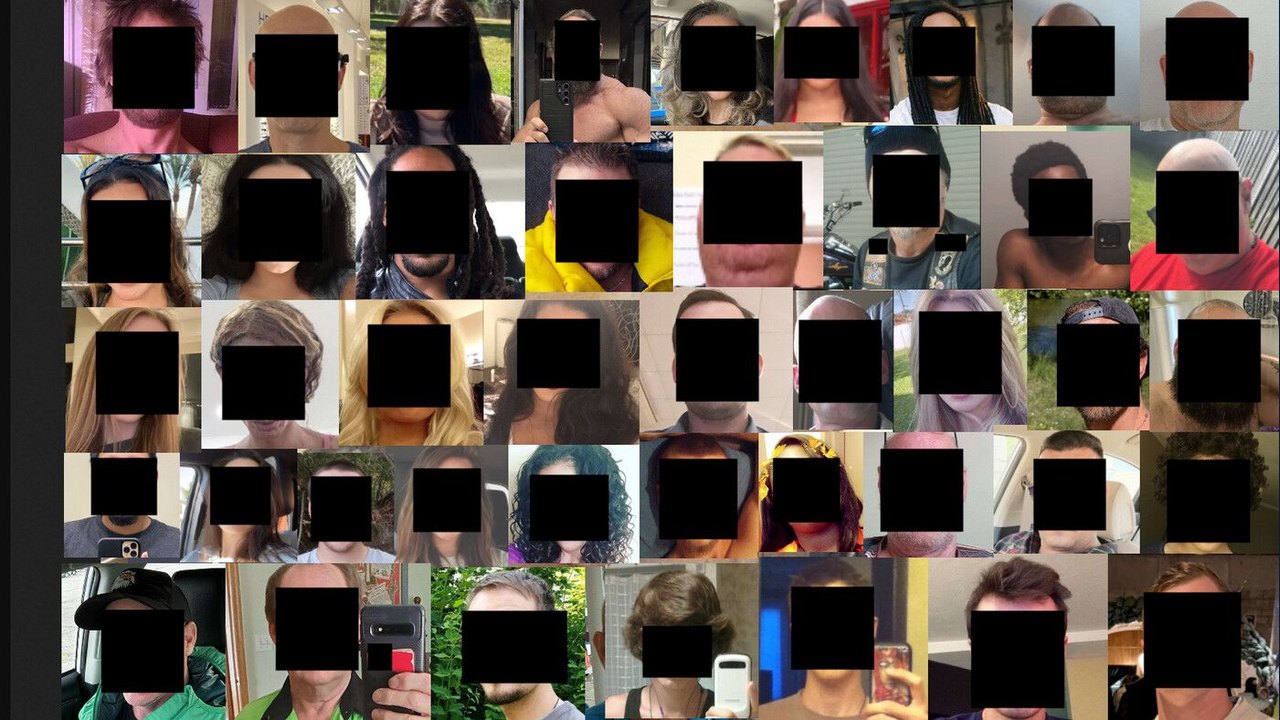 Massive Kik Data Breach Exposes Over 150 Million Profile Images, Security Researcher Reveals
 Cybersecurity Giant Infoblox Confirms Security Incident Following Vendor Data Breach
 Uber Notifies Nearly 150,000 Drivers of Data Breach via Third-Party Provider
 Uber Data Breach Exposes Driver License Information via Third-Party Attack