Indian Navy Marks 50 Years of Long-Range Maritime Reconnaissance
· GlobeWire Daily Editorial Desk · Source: timesofindia.indiatimes.com
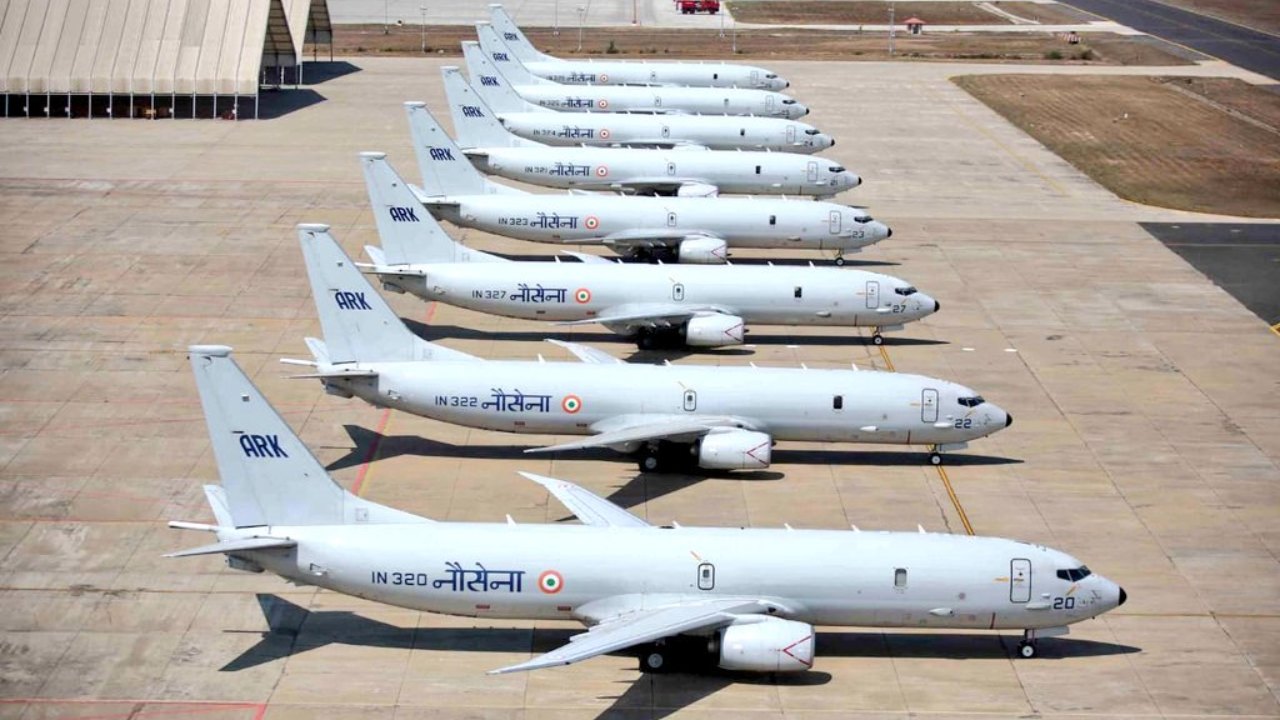
Image: The Times of India · Photo source · Resized and letterboxed to 16:9; no AI generation
The Indian Navy is scheduled to mark the Golden Jubilee of its Long-Range Maritime Reconnaissance (LRMR) operations on November 18, 2026, commemorating 50 years since the commissioning of Indian Naval Air Squadron (INAS) 312, known as the Albatross.
Evolution of Maritime Patrol Capabilities
The capability stems from post-1971 war assessments, which identified a requirement for shore-based maritime patrol aircraft to operate alongside naval ships and helicopters. INAS 312 was commissioned on November 18, 1976, at INS Hansa in Goa, initially operating five Lockheed Super Constellation aircraft transferred from the Indian Air Force.
- Ilyushin Il-38: Inducted in 1977 to bolster reconnaissance and anti-submarine warfare.
- Tupolev Tu-142M: Joined INAS 312 in 1988, expanding patrol range across the Indian Ocean.
- Boeing P-8I: Inducted at INS Rajali in Arakkonam in 2013, introducing wide-area surveillance, anti-submarine warfare, and maritime strike capabilities.
Currently, P-8I aircraft operated by INAS 312 in Arakkonam and INAS 316 at INS Hansa maintain surveillance over the Indian Ocean. Over five decades, these squadrons have participated in operations including Cactus, Vijay, Parakram, and Sindoor, alongside anti-piracy and search and rescue missions. The Navy stated that the anniversary acknowledges the personnel who established and maintained the capability.
Strategic Importance and Regional Context
Locating and tracking submarines remains central to safeguarding coastlines, naval installations, aircraft carriers, merchant shipping, and sea lines of communication. Long-range reconnaissance platforms utilize maritime surveillance radars, electro-optical sensors, electronic intelligence systems, and sonobuoys to monitor vast oceanic areas, investigate contacts, and execute anti-submarine missions.
Surveillance requirements are increasing due to regional submarine fleet expansions:
- China: Operates approximately 60 submarines, including nuclear-powered attack boats, ballistic missile submarines, and conventional platforms, with an expanding presence in the Indian Ocean.
- Pakistan: Developing an eight-boat Hangor-class programme with Chinese collaboration alongside existing Agosta-class vessels, featuring air-independent propulsion for extended underwater endurance.
Official reports indicate that sustained investment in long-range reconnaissance, underwater surveillance, networked sensors, and anti-submarine warfare remains essential for monitoring regional underwater activity.
Verification and Practical Implications
Observers and analysts can verify official updates and milestone announcements through the official Indian Navy website or Ministry of Defence press releases. The P-8I fleet forms a foundational component of India's broader maritime security architecture.
AI-assisted reporting; source claims are attributed and have not been independently verified.
More to read
 Cyclone Akvan Forces Rescheduling of Indian Navy's 'Sea Vigil-2026' Maritime Exercise
 Indian Army Issues Written Warning to Sarpanches Following Fuel Thefts at Mahajan Field Firing Range
 Switzerland Shortlists Barak MX and SAMP/T NG for Long-Range Air Defense
 MCC-Murugappa Gold Cup 2026: Indian Navy Defeats Malaysia Junior Team 4-2 to Reach Semifinals