Defence & Armed Forces
Israeli Military Zones Turn De Facto Settler Outposts, Cutting Palestinian Farmers From Their Land
· GlobeWire Daily Editorial Desk · Source: www.aljazeera.com
Summary
Palestinian farmers in the occupied West Bank are being barred from their own fields as Israeli‑declared “military zones” are used to protect settler outposts. Legal petitions, court rulings and occasional army‑coordinated harvest windows have done little to stop the pattern, which now covers roughly 1 million dunams (≈247 000 acres) – about 18 % of the territory.
How the Closures Work
- Area B control – Villages such as Deir Abu Mishal and al‑Mughayyir lie in Area B, jointly administered by Israel and the Palestinian Authority.
- Military orders – The Israeli army declares sections as “closed military zones” for security reasons.
- Selective enforcement – In practice, the army prevents Palestinians from entering while allowing settlers to stay, graze livestock and build structures.
Case Studies
Deir Abu Mishal (Ramallah governorate)
- Saleh Zahran inherited 120 olive trees.
- A settler outpost set up 1 km from his farm in June 2025.
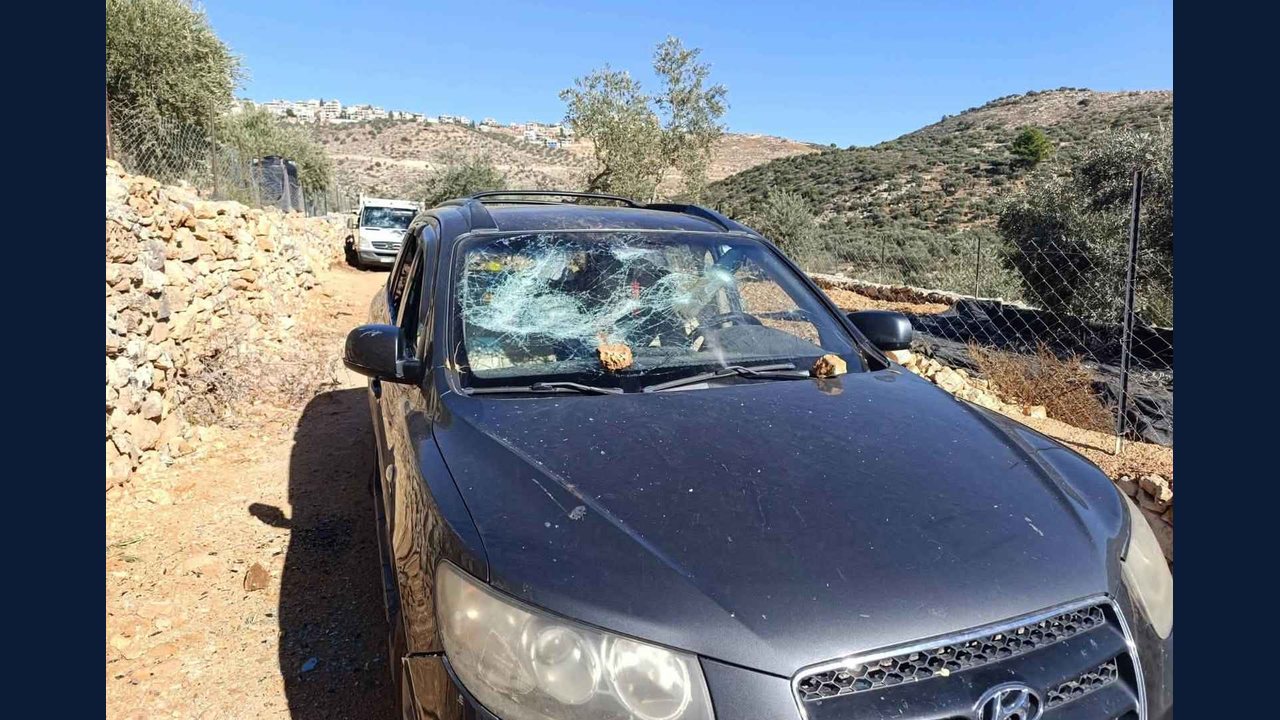
- After a High Court‑ordered two‑day “coordinated” harvest on 10 Nov 2026, settlers attacked the farmers, destroyed vehicles and stole equipment.
- Zahran could harvest only ~20 trees out of 120.
al‑Mughayyir (northeastern Ramallah)
- A wedding on 13 Nov 2026 was halted when soldiers, acting on a settler’s claim of fire‑crackers, surrounded the hall with jeeps and stun grenades.
- The village’s 43 000 dunams are largely sealed off; only ~900 dunams remain accessible to residents.
Madama (south of Nablus)
- Since 2018, outposts have expanded from 200 to 5 000 dunams.
- Roads were reopened for settlers while Palestinians were denied access, despite the area being officially a “closed zone” for both.
Legal and Institutional Response
- Lawyers from the Jerusalem Legal Aid and Human Rights Center (JLAC) and the NGO Yesh Din argue the army’s policy amounts to a de facto land‑transfer mechanism.
- Courts have delayed rulings; a petition over a Madama outpost was given a response deadline of May 2027.
- The United Nations Humanitarian Country Team recorded over 400 settler attacks since September 2026, the highest number in any olive‑harvest season.
Practical Implications
- For farmers: Access to land is limited to narrow, often‑canceled windows; crops are left to rot, and livelihoods are jeopardised.
- For observers: Verify the situation by checking recent court filings, UN humanitarian reports, and statements from NGOs such as B’Tselem, Yesh Din and Peace Now.
- For policymakers: The pattern shows how military zoning can be used to sidestep legal ownership, raising questions under international humanitarian law.
What Remains Unclear
- The exact number of settlers currently residing in the outposts is not publicly disclosed.
- Whether the Israeli Defence Ministry will change its enforcement stance before the May 2027 court deadline is unknown.
--- *All information is drawn from Al Jazeera reporting and statements from local lawyers, NGOs and UN officials.*
Share this article
Read the original source Occupied West Bank ‘military zones’ become de facto Israeli settler land