Russia Demands NATO Roll Back Eastern Expansion to 1997 Borders in Reported Abu Dhabi Talks
· GlobeWire Daily Editorial Desk · Source: www.dw.com
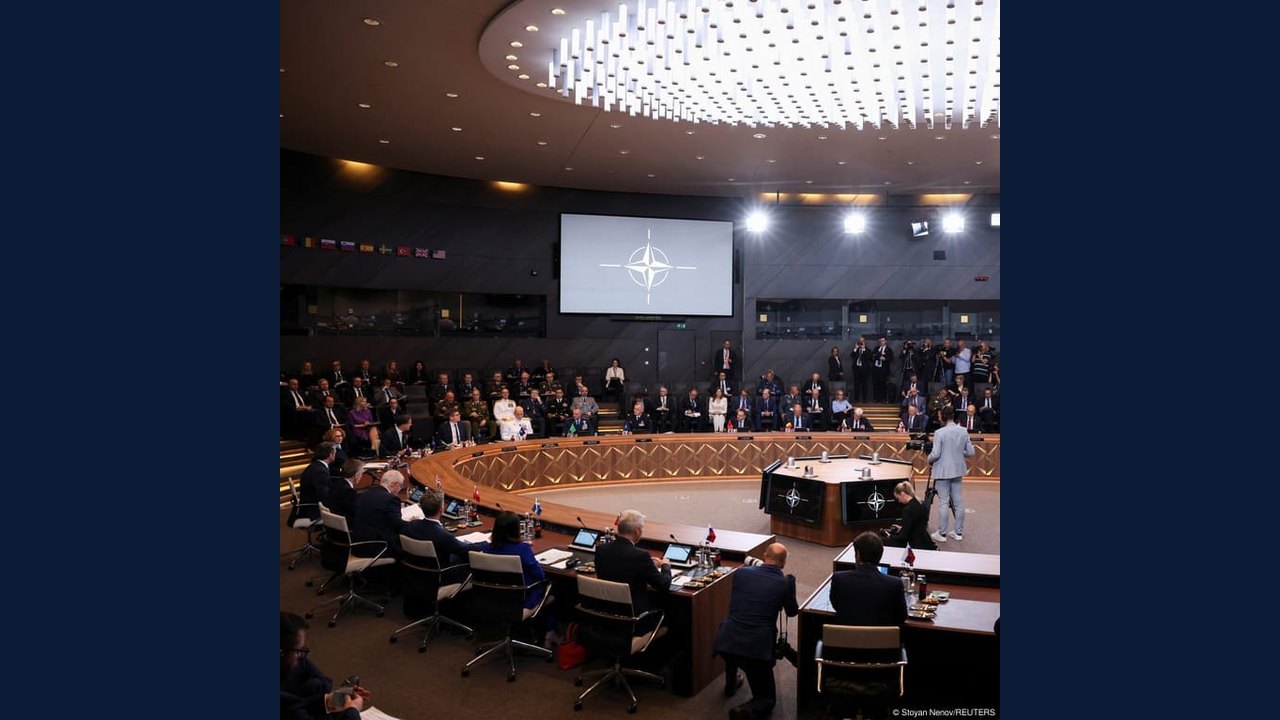
Image: dw.com · Photo source · Resized and letterboxed to 16:9; no AI generation
According to reports from The New York Times, Russian representatives presented a document in Abu Dhabi outlining far-reaching demands regarding European security and the war in Ukraine. The document, dated November 10, reportedly calls for an end to Western arms deliveries to Ukraine alongside a withdrawal of NATO troops and bases back to their 1997 positions.
Core Demands and Historical Context
In 1997, prior to its first eastward expansion, NATO comprised 16 member states. Today, the alliance includes 32 members across Europe and North America following successive waves of accession in Central, Eastern, and Southeastern Europe, as well as Scandinavia. According to the reports, Russia is not explicitly demanding that Central and Eastern European countries leave the alliance, but rather that NATO end its military presence within their borders.
Practical Implications and Reactions
A withdrawal of NATO troops and bases from member states that joined after 1997 would impact defense capabilities along the eastern flank. For instance, NATO allies currently police the airspace over Estonia, Latvia, and Lithuania, and planned deployments—such as the German brigade in Lithuania slated to be fully operational by the end of 2027—would face disruption. Infrastructure projects, like the expansion of the Mihail Kogalniceanu Air Base in Romania, are also underway.
Leaders from NATO's eastern members strongly rejected the reported demands:
- Poland: Prime Minister Donald Tusk stated that security rules would not be established over the heads of Poland and Europe.
- Bulgaria: Prime Minister Rumen Radev called a withdrawal unrealistic and unthinkable.
- Estonia: Prime Minister Kristen Michal asserted that Europe's security order is working well and requires no discussion with Russia.
Principles of Alliance Membership
European frameworks, including the 1990 Charter of Paris and the 1997 NATO-Russia Founding Act, affirm that sovereign states are free to choose their own security arrangements and alliances, and that neither side holds a veto over the other's decisions. Western officials and analysts have expressed skepticism regarding the reported demands, viewing them as an effort to leverage negotiations surrounding the war in Ukraine.
AI-assisted reporting; source claims are attributed and have not been independently verified.
More to read
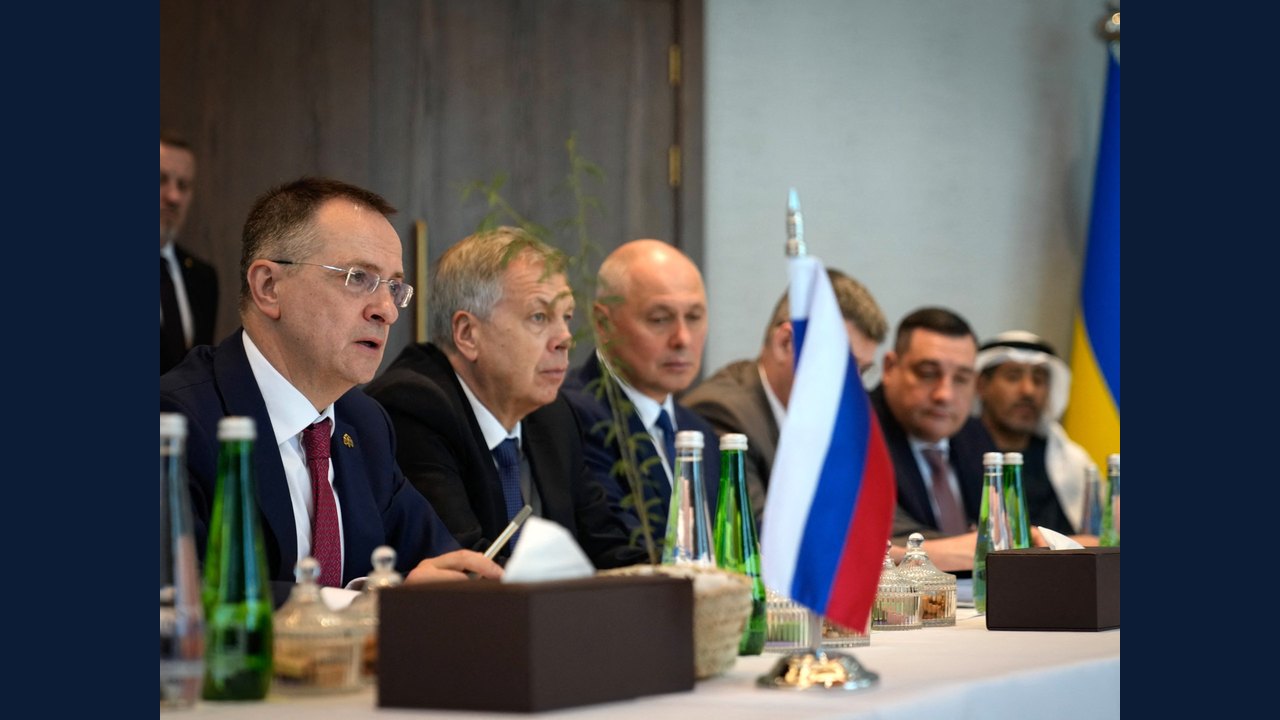 Russia Poses Maximalist Demands in Abu Dhabi Talks, Aiming to Divide NATO and Europe
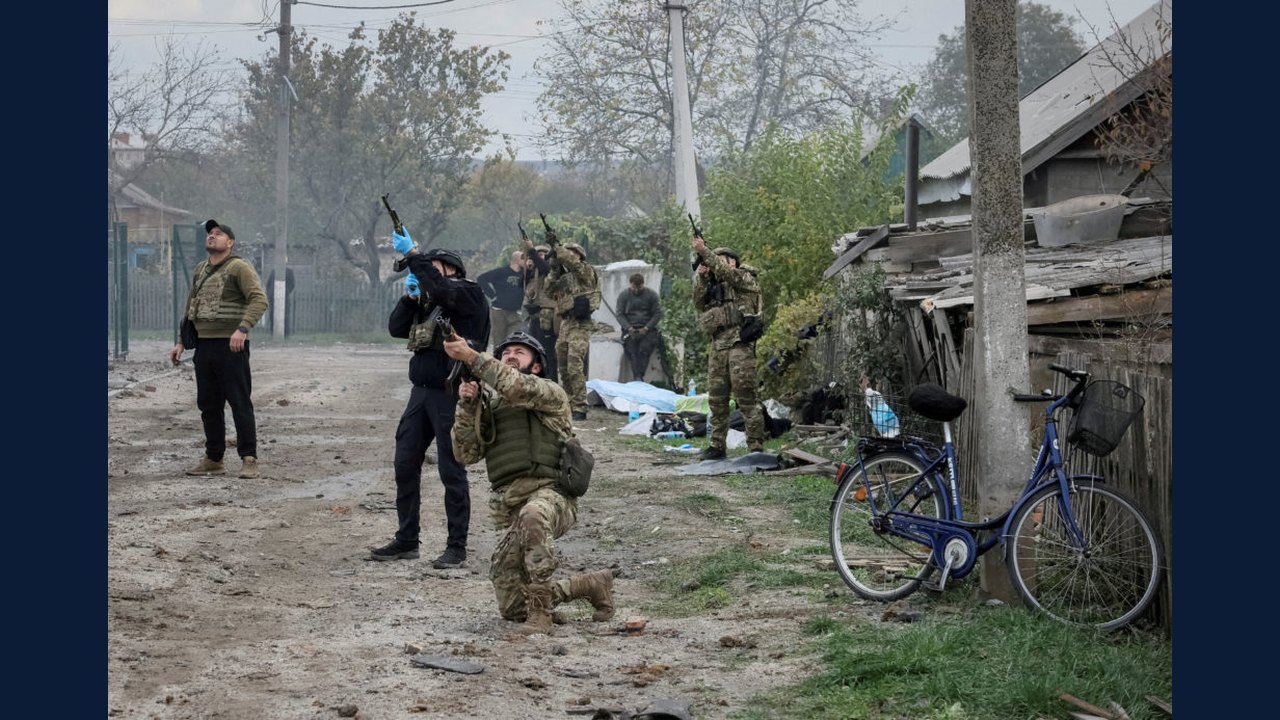 U.S.-Led Russia-Ukraine Peace Talks Scheduled in Abu Dhabi to Address Security Guarantees
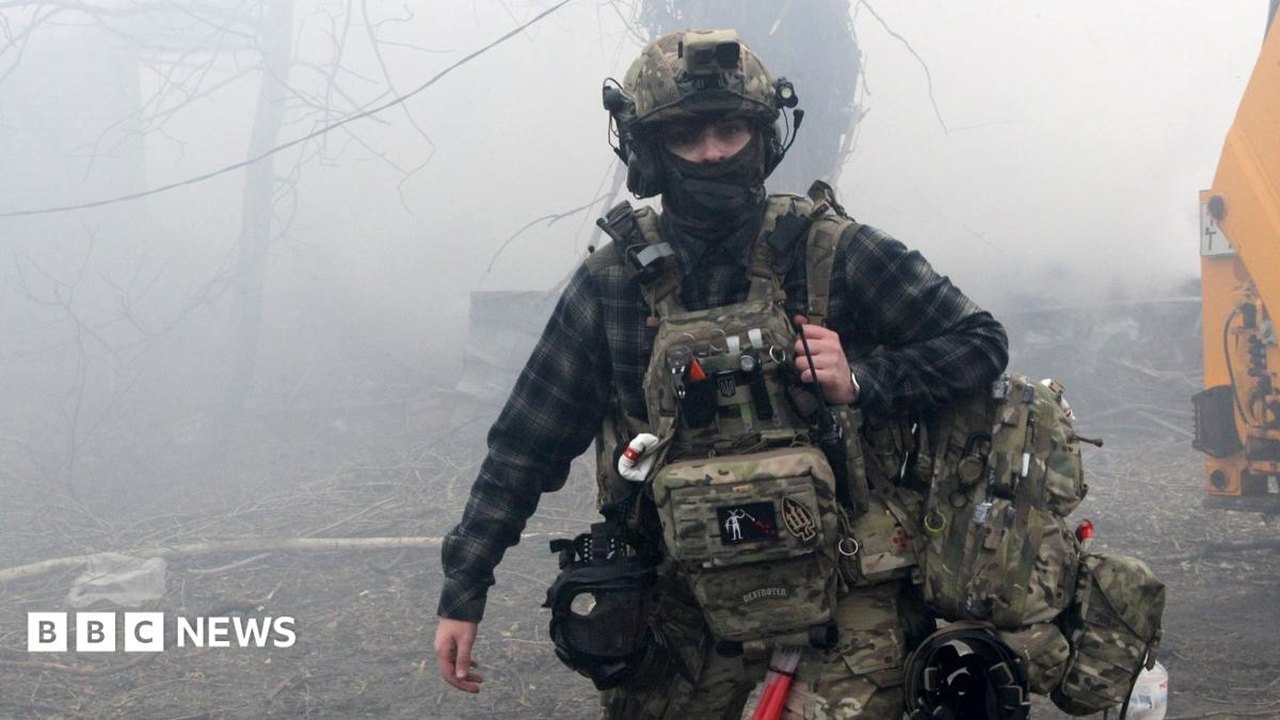 Ukraine, Russia and US Senior Officials Resume Trilateral Peace Talks in Abu Dhabi
 Kushner and Witkoff Resume Peace Talks in Abu Dhabi to Address Russia-Ukraine War