Balancing Teaching and Research in Higher Education Institutions
· GlobeWire Daily Education Desk · Source: www.thehindu.com

Image: www.thehindu.com · Photo source · Resized and letterboxed to 16:9; no AI generation
Higher education institutions (HEIs) worldwide frequently face a fundamental dilemma: how to balance the demands of classroom teaching with the pursuit of academic research. According to discussions surrounding this topic, three core questions typically arise:
- Can colleges and universities successfully do justice to both teaching and research?
- Is research widely perceived as more prestigious than classroom teaching?
- Do exceptional teachers inherently make great researchers, and vice versa?
Insights from Policy and History
Policy frameworks, such as India's National Education Policy (NEP) 2020, categorize institutions into research-intensive universities, teaching-intensive universities, and autonomous degree-granting colleges. While expectations vary, practical constraints such as heavy faculty workloads, administrative duties, and limited research infrastructure often hinder undergraduate-focused colleges from pursuing extensive research.
Historically, the modern European university model—pioneered by Wilhelm von Humboldt in the 19th century—emphasized research as a core function. However, this model has often led to undergraduate teaching being delegated to adjuncts, teaching assistants, or junior faculty members, both in Western institutions and in certain Indian universities.
Prestige and Institutional Rankings
In many academic systems, research output carries greater weight than teaching during recruitment, appraisals, and institutional assessments. Major ranking frameworks—including NAAC and NIRF in India, alongside global systems like THE and QS World University Rankings—heavily factor in research performance, influencing institutional prestige and grading.
The Teaching-Research Nexus
Experts note that excellence in teaching does not automatically guarantee success in research, and outstanding researchers are not always effective educators. While figures like Richard Feynman and Venki Ramakrishnan excelled in both domains, such dual proficiency remains rare.
Practical Implications and Verification
- For Educators: Balancing academic responsibilities requires institutional support and realistic workload distributions.
- For Institutions: Policymakers must weigh ranking pressures against the foundational importance of quality undergraduate teaching.
- Verification: Readers can review original policy documents like NEP 2020 and consult guidelines from accreditation bodies like NAAC and NIRF to understand official assessment criteria.
AI-assisted reporting; source claims are attributed and have not been independently verified.
More to read
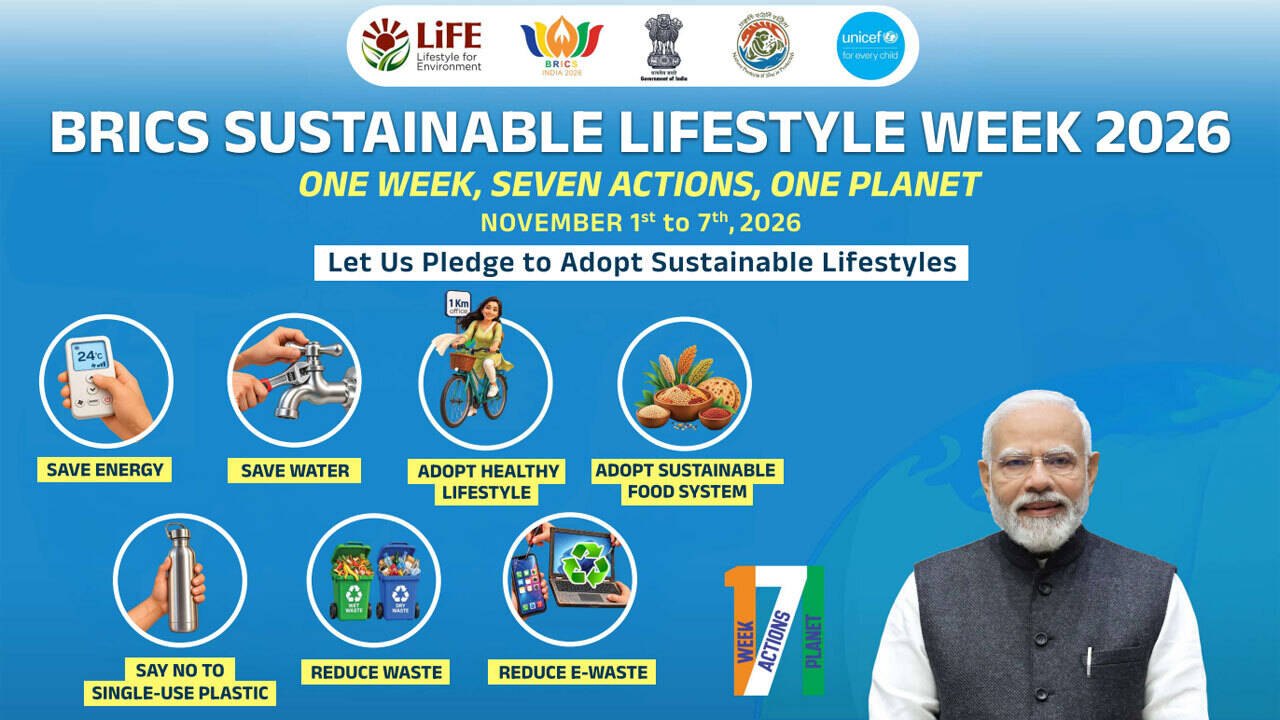 UGC Directs Higher Education Institutions to Observe BRICS Sustainable Lifestyle Week 2026
 Academic Loneliness in Higher Education: Why Isolation Threatens Learning and How Institutions Can Respond
 Lucknow’s Education Map Expands: New Campuses Signal a Rethink of Higher Learning
 Why Modern Higher Education Must Bridge Traditional Disciplines with Interdisciplinary Learning
Related coverage
Related reporting available at publication.
UGC Directs Higher Education Institutions to Observe BRICS Sustainable Lifestyle Week 2026Academic Loneliness in Higher Education: Why Isolation Threatens Learning and How Institutions Can RespondLucknow’s Education Map Expands: New Campuses Signal a Rethink of Higher LearningWhy Modern Higher Education Must Bridge Traditional Disciplines with Interdisciplinary Learning What Sweden Can Learn From Finland Regarding University Autonomy
 Ahmedabad Schools Directed to Hold Water and Energy Conservation Drives Prior to Diwali