Home‑schooling booms in the UK as parents seek alternatives to conventional schools
· GlobeWire Daily Education Desk · Source: www.theguardian.com
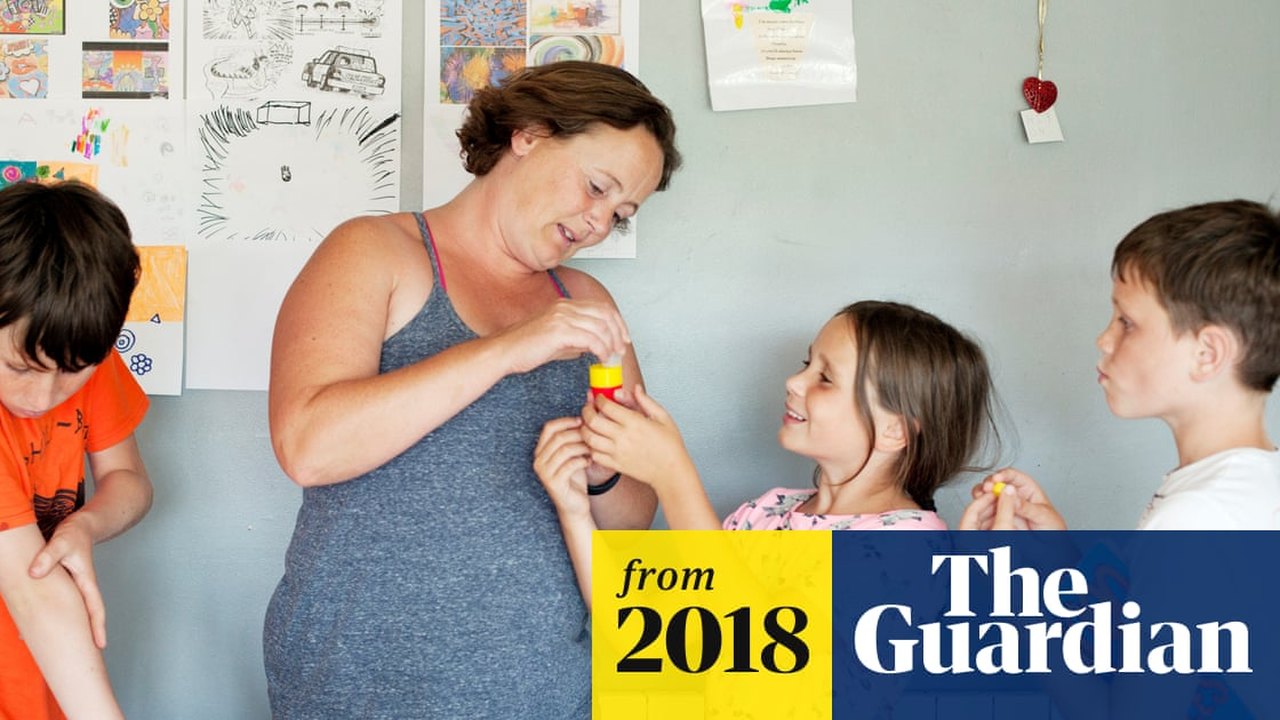
Image: www.theguardian.com — Creative Commons
A rapid increase in home‑education
Recent research cited by the BBC shows that the number of children being educated at home in the United Kingdom rose by roughly 40 % over a three‑year period. In the 2016‑17 academic year about 48,000 children were home‑educated, up from 34,000 in 2014‑15. Because the government does not keep a central register of all home‑educated children, the true figure is likely higher – local authority registers only capture children who have been formally withdrawn from a school, not those who have never attended one.
Why families are leaving the classroom
Parents who have chosen home‑schooling cite several recurring concerns:
- Bullying and exam pressure – many feel that the stress of high‑stakes testing and the social environment of schools harm their children’s wellbeing.
- Special educational needs – families report that schools often lack the flexibility to support children with autism, learning difficulties, or rigid routines.
- Curriculum rigidity – the emphasis on league‑table results and narrow test preparation is seen as stifling creativity. A visiting research fellow at York St John University, Helen Lees, describes the trend as “something quite worrying about the state of the education system”.
These motivations are illustrated by the experience of Claire Mumford on the Isle of Wight. After withdrawing her three children – Ben (10), Sam (11) and Amelia (8) – she describes a “child‑led” approach that blends a half‑hour of daily maths with outdoor science, drama groups, youth‑club activities and work experience. The family’s routine includes learning Latin plant names, building a go‑kart, and producing a local newspaper, all outside the traditional classroom.
The Isle of Wight as a micro‑cosm
The Isle of Wight records the highest proportion of home‑educated children in the UK – almost one in 50. Local officials attribute this partly to under‑reporting elsewhere. The island’s schools have faced criticism: in 2017, 10 of 55 schools and colleges required improvement and one was rated “inadequate” by Ofsted.
Methods and costs
Home‑education in the UK spans a spectrum:
- Traditional textbook‑based programmes with scheduled lessons and assessments.
- Unschooling or autonomous education, a philosophy from 1970s educator John Holt that emphasises self‑directed learning.
- Hybrid models, where parents hire tutors, use online schools, or enrol children in community clubs.
Financially, home‑schooling can be expensive. Stephen Spriggs of tutoring firm William Clarence estimates that a 30‑hour‑a‑week programme can cost up to £34,000 per year. Even families who rely on free community resources must pay for exam fees – for example, an English GCSE costs around £50 plus any administrative charges.
Government response and controversy
The Department for Education is considering mandatory registration of home‑educated children and greater local‑authority monitoring. The move follows concerns about child welfare, highlighted by the 2016 death of Jordan Burling – a young man who had been home‑educated since age 12 and died after severe neglect.
Critics warn that tighter regulation could erode parental rights. The Campaign for Real Education, represented by retired headteacher Chris McGovern, argues that rising home‑school numbers reflect failures in state schools, not radicalisation or neglect. Former chief inspector Sir Michael Wilshaw has warned that some unregistered “illegal schools” may use home‑education freedoms to avoid oversight, raising questions about safeguarding and the transmission of British values.
Practical implications for families
- Legal obligations – Under the Education Act 1996, parents must ensure their children receive an education, but they are not required to follow the national curriculum, register with authorities, or allow inspections (except in Wales, where annual contact is recommended).
- Socialisation – Home‑educated children often join local groups, clubs, or online communities. The Rookley Home‑Ed Meet on the Isle of Wight, for example, links around 20 families and organises talks by emergency services and sports training.
- Assessment – Families can choose whether to sit external exams such as GCSEs. The cost of each exam is modest, but the decision impacts university entry and employment pathways.
- Support networks – Larger urban areas now host home‑education groups with thousands of members, reducing isolation concerns that were common a decade ago.
What remains uncertain
- Exact numbers – Without a national register, the scale of home‑education remains an estimate.
- Long‑term outcomes – While anecdotal success stories exist, systematic research on academic achievement, mental health and social integration of home‑educated children is limited.
- Policy impact – It is unclear how proposed registration and monitoring will affect families’ ability to choose flexible learning models.
How readers can verify
The full article and its source material are available at the Guardian’s website: [“School is very oppressive’: why home‑schooling is on the rise](https://www.theguardian.com/education/2018/nov/03/get-to-be-free-rise-in-home-schooling).
--- This report is based solely on the verified information provided in the Guardian article dated 3 November 2018.
AI-assisted reporting; source claims are attributed and have not been independently verified.
More to read
 Latin’s Enduring Benefits: Teachers Report Lifelong Skills From Classical Studies
 Education Secretary Lucy Powell Prioritises Oracy and Curriculum Reform Amid Wider School Changes
 Class Tensions Emerge at St Andrews Amid Rising Influx of Wealthy US Undergraduates
 How a Latin Translation of Winnie-the-Pooh Sparked a Lifelong Love of Classics
Trending on GlobeWire Daily
Selected from recent coverage and related topics; not live search rankings.
 Four Years After Historic UN Biodiversity Deal, Global Targets Face Severe Implementation Gaps
 Bihar Museum Ranks Ninth Globally, Sparking Praise From Anand Mahindra and an Official Invitation From State LeadershipLatin’s Enduring Benefits: Teachers Report Lifelong Skills From Classical Studies
 ISRO Employee Associations Seek Official Clarification Amid Space Sector Privatisation Push
 State Bank of India Fixed Deposit Interest Rates: Overview of Tenures and Returns for General and Senior Citizens
 Qualcomm Opens Application Process for Associate Software Engineer Role in Bengaluru