How a 16-Year-Old Student Passed His GCSEs Using Eye-Tracking Technology — and the Systemic Hurdles He Faced
· GlobeWire Daily Education Desk · Source: www.theguardian.com
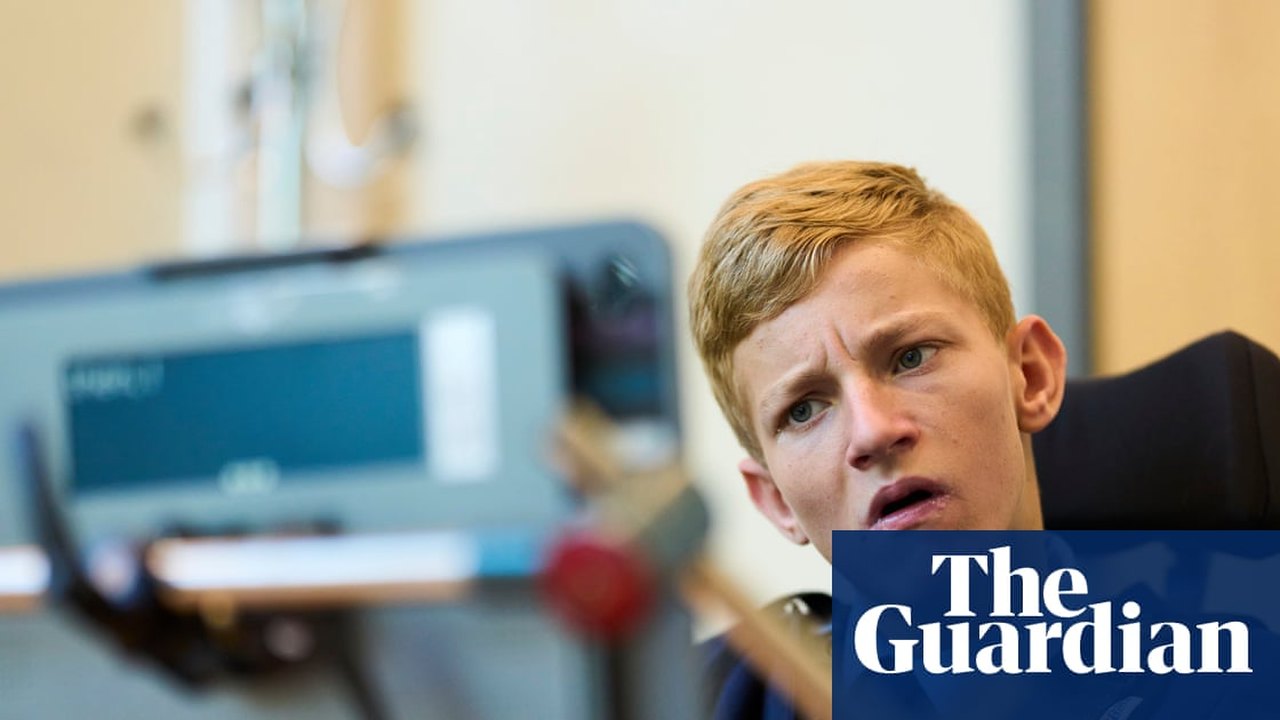
Image: www.theguardian.com — Creative Commons
A Remarkable Academic Milestone
Patrick McCabe, a 16-year-old student with cerebral palsy, has successfully passed all seven of his GCSEs at Fallibroome Academy in Macclesfield, Cheshire. Using specialised eye-tracking (Eyegaze) technology and an augmentative and alternative communication (AAC) device, Patrick completed his exams over a grueling four-month period. Having achieved the grades necessary to continue into the sixth form, he has now begun studying A-levels in French, business, and media studies.
Patrick has attended local mainstream schools since his family moved back to England from Switzerland when he was six years old. Reflecting on his education using his AAC device, he noted that learning alongside his peers allowed him to develop skills and an independent mind, much like his older brothers.
The Rigors of Eye-Tracking Assessments
While Patrick's academic achievement is a testament to his determination, the process highlighted significant barriers in the current examination system for students with special educational needs and disabilities (Send). Because of the time required to communicate via eye-tracking technology, Patrick's exam schedule stretched from 2 February until 5 June, running every morning while his peers revised. A single 30-mark question could take up to six hours to complete.
Supported throughout by CandLE—an organisation aiding students who use AAC technology—Patrick faced intense physical and mental exhaustion. His headteacher, Ross Martland, and his mother, Jo, had to battle with exam boards to secure accommodations, illustrating the difficulties disabled students encounter in trying to access a level playing field.
Broader Implications and Policy Context
Patrick's experience reflects both the potential and the limitations of the UK government's ambitions for inclusive education under forthcoming Send reforms, which aim to keep children in local mainstream schools with proper support. While Martland supports the moral and values-based framework of these plans, he and other educators caution that proper resourcing and funding are vital to prevent placing unsustainable pressure on schools.
Beyond academics, Patrick has pointed out social hurdles, noting that communication barriers can make forming friendships challenging. Looking ahead, Patrick plans to pursue a university degree in media studies after completing his A-levels.
Practical Implications and Verification
Readers wishing to verify the original report and learn more about the broader policy context surrounding special educational needs in England can review the full coverage published by [The Guardian](https://www.theguardian.com/education/2026/oct/02/patrick-mccabe-success-cheshire-reveals-limits-send-tech).
What is Confirmed vs. Unknown
- Confirmed: Patrick McCabe passed seven GCSEs using eye-tracking technology, took four months to complete his exams, is now studying A-levels at Fallibroome Academy, and was supported by CandLE and teaching assistants.
- Unknown: The precise financial costs and long-term resource allocations of the government's upcoming Send reforms remain under discussion and subject to future implementation details.
AI-assisted reporting; source claims are attributed and have not been independently verified.
More to read
 Guardian University Guide 2027 Subject Tables Released: Explore Course Options Across UK Higher Education
 Investigation Highlights Ongoing Scale of Child-on-Child Sexual Abuse in English and Welsh Schools
 Tamil Nadu Teachers Education University Appoints New Registrar-in-Charge Amid Inspection Allegations
 Why Universities Remain Prime Targets for AI-Powered Cyberattacks
Trending on GlobeWire Daily
Selected from recent coverage and related topics; not live search rankings.
Guardian University Guide 2027 Subject Tables Released: Explore Course Options Across UK Higher Education BYD's Luxury Brand Denza Set to Enter India with D9 Electric MPV Launch Planned for Late 2026
 Land Rover Defender Prices Drop by Up to Rs 34 Lakh in India Following Local Assembly ShiftTamil Nadu Teachers Education University Appoints New Registrar-in-Charge Amid Inspection Allegations
 Punjab & Haryana High Court announces recruitment of 1,270 clerks for district courts – applications open Oct 7, close Nov 4, 2026
 Oil India Executive Recruitment 2026: Applications Open for 32 Posts