Schools White Paper: Proposed Changes to the SEND System Explained
· GlobeWire Daily Education Desk · Source: educationhub.blog.gov.uk
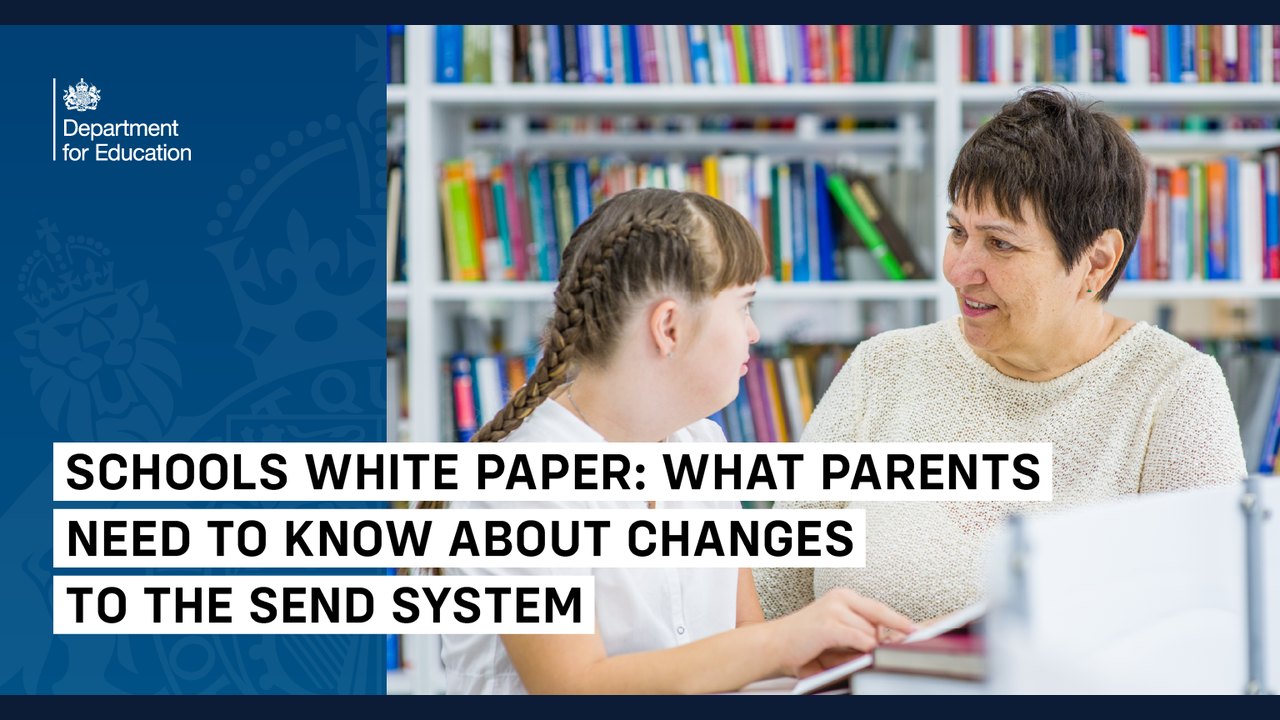
Image: educationhub.blog.gov.uk — https://www.nationalarchives.gov.uk/doc/open-government-licence/version/3/ · Photo source · License terms · Resized and letterboxed to 16:9; no AI generation
The UK government has announced proposed changes to the special educational needs and disabilities (SEND) system as part of the schools white paper titled *Every Child Achieving and Thriving*. The government has confirmed its intention to legislate these reforms through the new Education for All Bill, announced in the King's Speech. However, officials clarify that the Bill represents an intention to legislate rather than the immediate introduction of legislation, and implementation remains subject to an ongoing public consultation.
Key Proposals and Support Tiers
The white paper outlines a restructured system designed to provide early, standardized support through a universal offer alongside three additional levels of need:
- Universal Offer: High-quality adaptive teaching, calm environments, and early help available across all schools.
- Targeted: Structured support, such as small-group speech and language help, recorded in a digital Individual Support Plan (ISP).
- Targeted Plus: Specialist support delivered in partnership with education and health professionals via a new 'Experts at Hand' offer.
- Specialist: Comprehensive support for children with complex needs through Specialist Provision Packages and Education, Health and Care Plans (EHCPs).
Individual Support Plans and EHCPs
Under the proposed framework, every child with additional needs will have a digital Individual Support Plan outlining their daily support and needs. Schools, nurseries, and colleges would face a legal duty to create and regularly review these plans in partnership with parents and teachers.
For EHCPs, the government states that plans will remain in place for those requiring higher levels of support, alongside the introduction of digital EHCPs. Transitional protections, including a 'triple lock', are proposed to ensure no child loses effective support. Officials note that no changes to EHCP support will begin before September 2030, and assessments regarding whether some mainstream children's needs are met via ISPs will occur three years into implementation.
Funding and Infrastructure
The government reports planned investments to support the transition, including:
- £200 million for staff training programmes.
- Over £3.7 billion to create 60,000 specialist places and inclusion bases.
- Around £1.8 billion over three years for the 'Experts at Hand' service.
- An overall increase of £7 billion more funding for SEND support by 2028-29 compared to 2025-26.
Verification and Next Steps
Parents and education professionals can review the full consultation details and white paper announcements directly on the official GOV.UK Education Hub blog. Media inquiries can be directed to the central Department for Education newsdesk, while public queries use the general enquiries line.
AI-assisted reporting; source claims are attributed and have not been independently verified.
More to read
 Leaked UK-EU Draft Agreement Outlines Proposed Changes on Youth Mobility, Trade and Tariffs Ahead of Expected Friday Signoff
 UK Prime Minister Unveils New Immigration White Paper and Contributions-Based Settlement Plan
 Ram Mandir Trust Changes Aarti System: Nine Lamps to Be Used Instead of 51
 Ayodhya Ram Mandir: Proposed Schedule Changes for Ram Lalla Darshan and Aarti from Sharad Purnima