West Bengal Announces Fee Waiver and Age Relaxation for Job Aspirants
· GlobeWire Daily Education Desk · Source: timesofindia.indiatimes.com
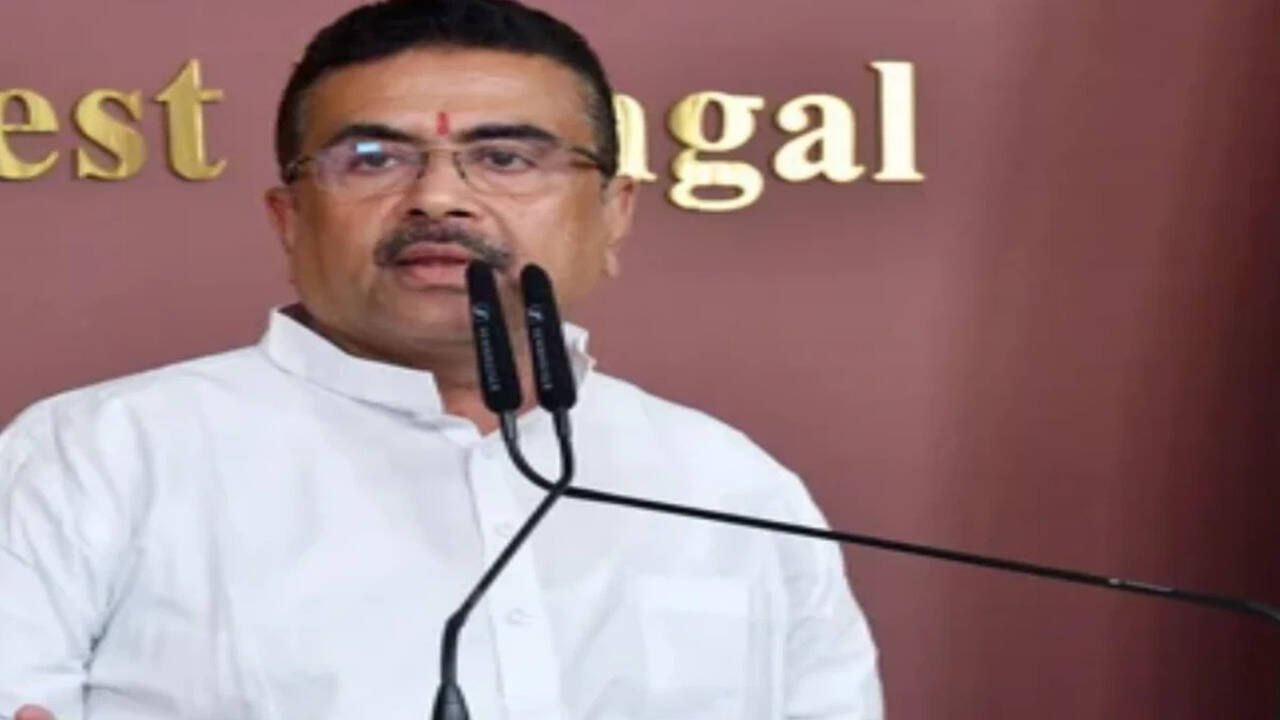
Image: The Times of India · Photo source · Resized and letterboxed to 16:9; no AI generation
West Bengal Chief Minister Suvendu Adhikari announced several proposed relief measures for government job aspirants, including application fee waivers, a two-year upper age relaxation from 2027, and financial support schemes. These announcements were made during a programme organized by the Paschim Medinipur District Police, where appointment letters were also distributed to 600 youths.
Here is a summary of the reported measures:
- Application Fees: Proposed waiver of examination fees for state government recruitment tests, though a specific implementation date has not been announced.
- Age Relaxation: A two-year upper age relaxation to take effect from 2027, with detailed revised limits and applicable categories yet to be specified.
- Bhorosa Scheme: A proposed initiative to provide financial assistance to graduate and non-graduate aspirants for at least five years, with exact amounts, eligibility, and procedures awaited.
- Bhagini Nivedita Scheme: A scheduled January launch offering Rs 50,000 over three years to girl students pursuing higher education after board exams, with eligibility details pending.
- Job Targets: A stated target of one lakh jobs over five years across government, private, and self-employment sectors.
- Upcoming Police Recruitment: Scheduled inductions include 1,331 sub-inspectors in the West Bengal Police next month and 4,000 constables in the Kolkata Police in January, alongside an expected police recruitment notification this month.
Practical Implications and Verification
The proposed measures aim to reduce financial burdens for candidates preparing for competitive exams. However, because several specifics—such as eligibility criteria, exact disbursement amounts, and exact implementation timelines—have not yet been finalized, applicants should verify future updates directly through official state government portals or authorized announcements rather than relying on initial reports.
AI-assisted reporting; source claims are attributed and have not been independently verified.
More to read
 Tamil Nadu Government Announces Five-Year Age Relaxation for State Job Aspirants
 West Bengal Housing Board Announces Cancellation of Tender WBHB/DD(EW)-II/NIQ-15/2026-27
 West Bengal Environment Minister Announces Strict Enforcement of Firecracker Timings for Kali Puja and Diwali
 Tamil Nadu Government Announces Five-Year Age Relaxation for State Jobs