Bristol Aims to Become UK's First Accredited Wetland City to Reduce Flood Risk
· GlobeWire Daily Climate Desk · Source: www.theguardian.com
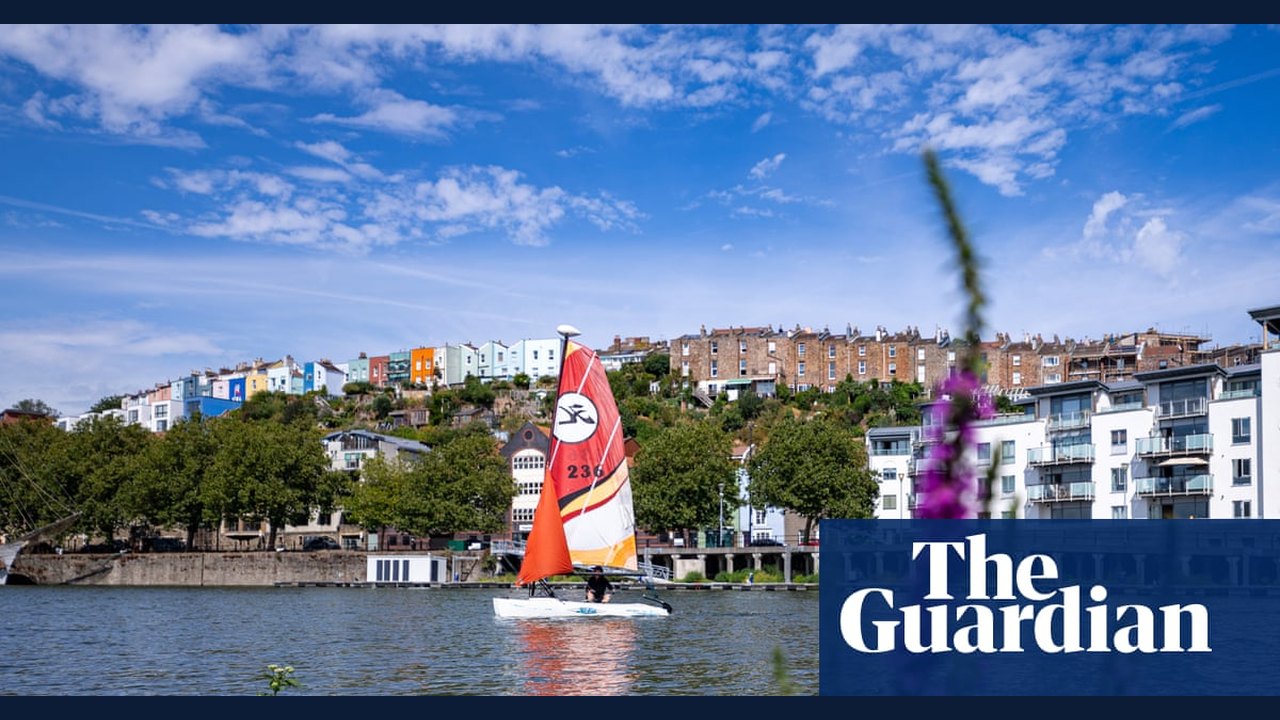
Image: the Guardian · Photo source · Resized and letterboxed to 16:9; no AI generation
A five-year initiative led by the Wildfowl & Wetlands Trust (WWT) aims to transform Bristol into the United Kingdom's first accredited "wetland city" by restoring and creating urban wetlands to reduce flood risk and enhance biodiversity.
According to the WWT, the project involves more than 200 planned schemes, ranging from household rainwater ponds and street rain gardens to river habitat restoration and floodplain reconnection. The charity hopes these efforts will secure wetland city accreditation under the Ramsar Convention, an international treaty for wetland conservation. Globally, there are currently 74 accredited wetland cities across 27 countries.
Project Implementation and Early Steps
The initiative was initiated in September when floating wetlands—buoyant modules planted with wetland vegetation—were installed at three locations in Bristol’s city-centre harbour to support local insects and birds. Peter Lee, programmes lead at WWT, reported that wildlife quickly appeared around these installations.
Funding for the five-year programme is provided by insurer Aviva, which is contributing £8.9m. Louise Kennedy, Bristol project manager for WWT, noted that urban wetland restoration helps reconnect urban populations with nature, particularly for communities lacking access to rural reserves.
Flood Management and Practical Implications
Project organizers state that expanding permeable wetland areas helps absorb rainwater, offering an alternative to traditional drainage systems that can overflow during heavy rainfall. The approach aims to manage water locally where it falls.
- Flood Mitigation: Wetlands store water more effectively than concrete surfaces.
- Biodiversity: Restoring urban water pockets supports declining species.
- Access to Nature: Increases green and blue spaces for residents.
Tony Dyer, leader of Bristol City Council, stated that the programme offers a natural approach to urban challenges, supporting climate resilience and public health alongside flood management.
Verification and Next Steps
Because this is an ongoing five-year initiative, further details, project timelines, and verification of Ramsar accreditation progress can be found through official updates from the Wildfowl & Wetlands Trust (WWT) and Bristol City Council.
AI-assisted reporting; source claims are attributed and have not been independently verified.
More to read
 Papua New Guinea’s Costliest Film ‘Mussau: The First Song’ Wraps Shoot, Aims for 2027 Festival Premiere
 GIFT City Aims for Global Hub Status with Proposed Regulatory Streamlining
 Canada Hopes to Become EU's First 'Associate Member' by June
 Brighton Secure First Away League Win Over Manchester City