Britain’s Birds Stay Closer to Home Amid Mild Winters
· GlobeWire Daily Climate Desk · Source: www.theguardian.com
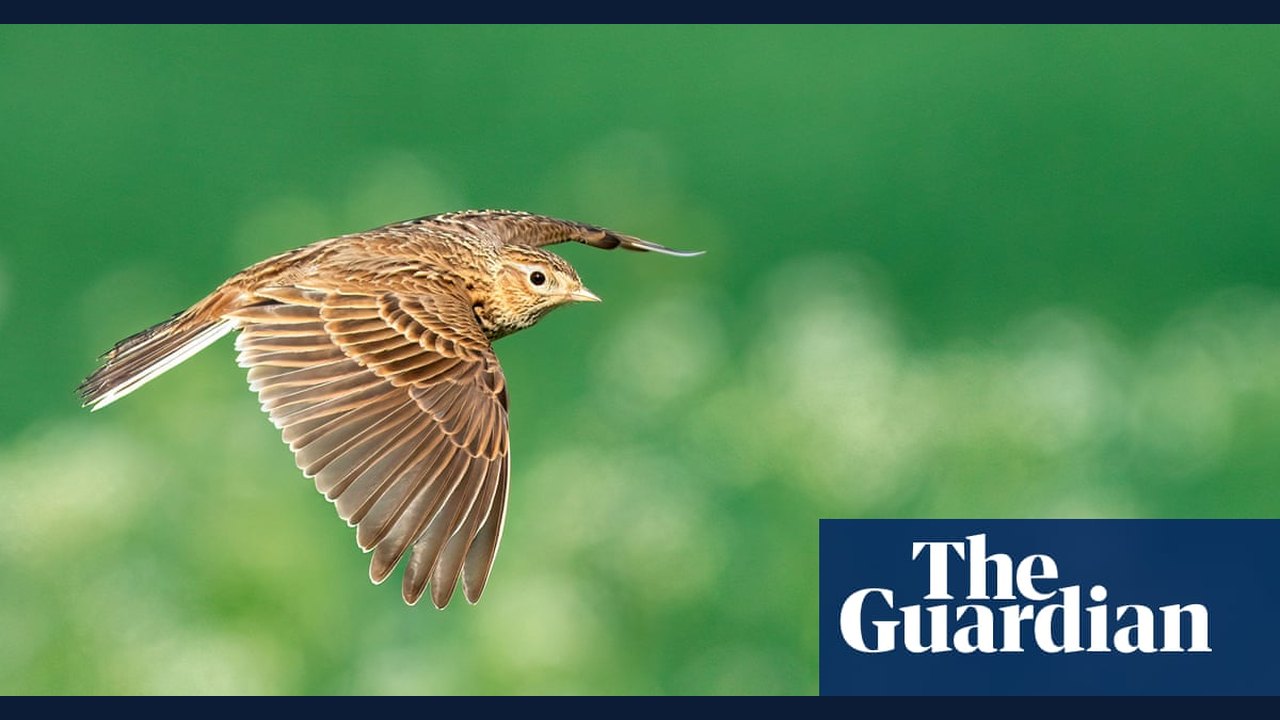
Image: the Guardian · Photo source · Resized and letterboxed to 16:9; no AI generation
Mild winter conditions are influencing the migration and movement patterns of bird populations in Britain, according to recent environmental observations. While many smaller bird species traditionally undertake long journeys to avoid cold weather, changing seasonal temperatures are altering these established behaviors.
Migration and Residency Strategies
Birds employ various strategies to survive the winter months and reach the next breeding season:
- Long-Distance Migration: Species such as swallows, swifts, cuckoos, chats, warblers, and flycatchers typically fly to sub-Saharan Africa to experience a second spring and summer.
- Short-Range Movement: Residents like blackbirds and robins generally stay put, though approaching cold spells may prompt them to move towards south-west Britain, France, or Spain.
- Local Altitude Shifts: Along areas like the Somerset coast, observers have noted skylarks moving down from moors and hills to benefit from milder coastal conditions.
Impact of Milder Winters on Starlings
On autumn and winter evenings, starlings traditionally gather in vast numbers on the Avalon Marshes to roost tightly together in reeds for warmth and predator protection. However, reported observations indicate that milder winters in recent years have led to lower starling numbers in these areas. Conservation notes suggest this occurs because continental European birds are choosing to remain closer to their original breeding grounds rather than migrating westward.
Practical Implications and Verification
Understanding these shifts helps ornithologists and wildlife researchers monitor avian populations and ecosystem health. Interested individuals can verify local bird movements and regional population changes by consulting reports from wildlife trusts, ornithological societies, and official environmental monitoring organizations.
AI-assisted reporting; source claims are attributed and have not been independently verified.
More to read
 When Pakistan's Floods Reached Home: An Academic's Relief Effort
 Auckland Faces Record Bee Swarming Season After Mild New Zealand Winter
 Exploring Smart Home Technologies to Lower Energy Bills
 UK launches interest‑free “Warm Home Loans” to help households fund solar panels, batteries and heat pumps