Carbon Removal Tech Debated as Proponents Push for Recognition at Cop31 Climate Talks
· GlobeWire Daily Editorial Desk · Source: www.theguardian.com
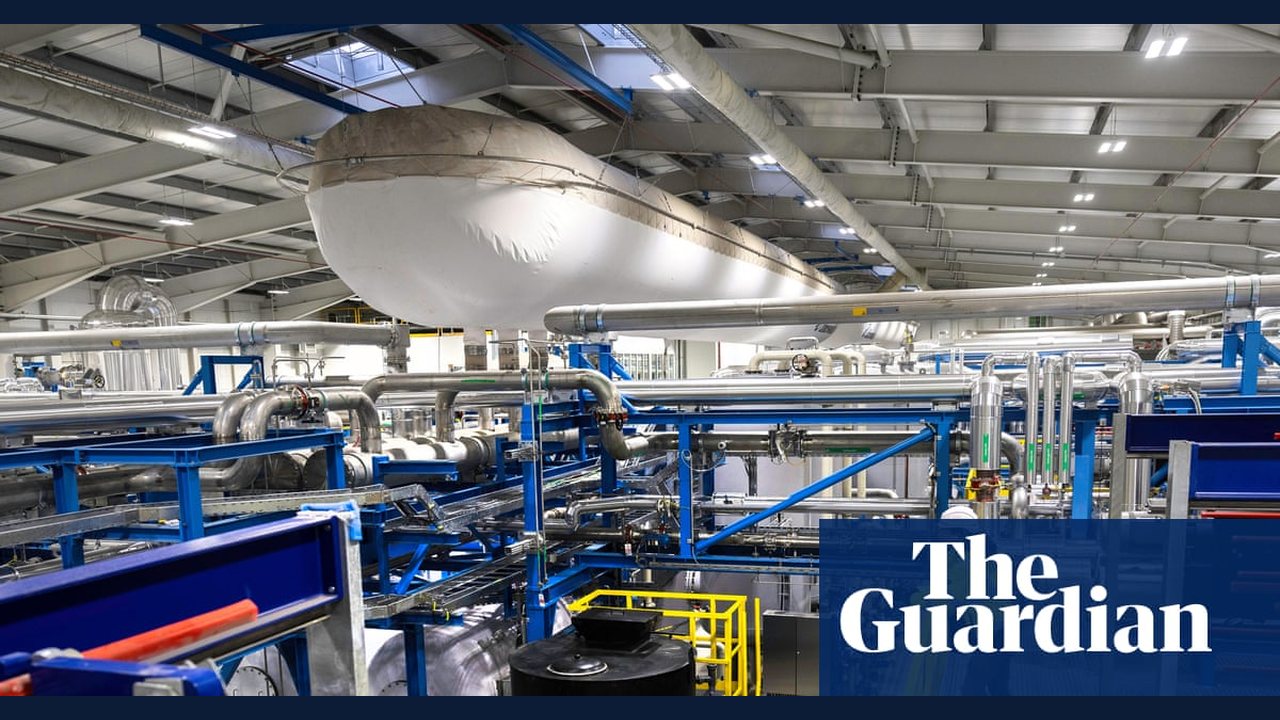
Proponents of carbon dioxide removal (CDR) are making a renewed push at the Cop31 climate summit in Antalya, Turkey, to include the technology in the final text of the UN talks. Supporters argue that sucking carbon directly from the atmosphere is necessary to reverse expected global temperature increases, while critics and environmentalists warn that relying on unproven technologies could prolong fossil fuel use and detract from immediate emission cuts.
At the summit venue, a pavilion named 'Think Negative' has been established to promote plans for scaling up carbon removal. Proponents, including decarbonization strategist Göker Avci and net zero expert Injy Johnstone, argue that CDR is required to address impending temperature overshoots and balance out residual emissions. On Friday, both CDR and carbon capture and storage (CCS) were included for the first time in a text informing the basis of a final deal.
Carbon Removal versus Carbon Capture and Storage
While both processes involve storing carbon underground, they differ fundamentally:
- Carbon Dioxide Removal (CDR): Involves sucking CO2 directly from the air, crushing rocks, or natural methods like reforestation to remove carbon from the atmosphere.
- Carbon Capture and Storage (CCS): Captures carbon directly at the source of a polluting facility.
According to the Center for International Environmental Law (CIEL), a record 700 lobbyists are advocating for CCS at Cop31, outnumbering delegates from the smallest 50 national delegations combined.
Criticisms and Environmental Concerns
Environmental campaigners have raised significant concerns regarding both approaches:
- Reliance on Hypothetical Methods: Rachel Kennerley, a carbon capture campaigner at CIEL, described the return pathway from temperature overshoots as currently hypothetical and cautioned against assuming future technology will clean up ongoing emissions.
- Prolonging Fossil Fuels: Critics argue that both CDR and CCS serve as diversionary roles, potentially allowing large oil and gas companies to extend the age of fossil fuels instead of prioritizing direct emission reductions.
- Resource and Scale Challenges: Technological CDR remains small-scale, having removed just 2 million tons compared to about 2 billion tons removed annually mostly via reforestation, with leading companies struggling financially and lacking investor backing.
Observers note that verifying official outcomes will depend on reviewing the finalized text agreed upon by delegates at the conclusion of the Cop31 summit.
More to read
 COP31 Climate Talks in Antalya, Turkey Overtime Amid Deep Deadlocks Over Fossil Fuels and Climate Finance
 Fight over fossil fuels leaves COP31 climate talks in deadlock
 Cop31 Talks Stretch Past Deadline Amid Warnings Over Fossil Fuels and El Niño
 Pacific Islanders Express Deep Frustration Over Slow Progress at Cop31 Climate Summit