COP31: Oceans and Indigenous Knowledge Take Center Stage as Climate Negotiations Enter Final Days
· GlobeWire Daily Climate Desk · Source: news.un.org
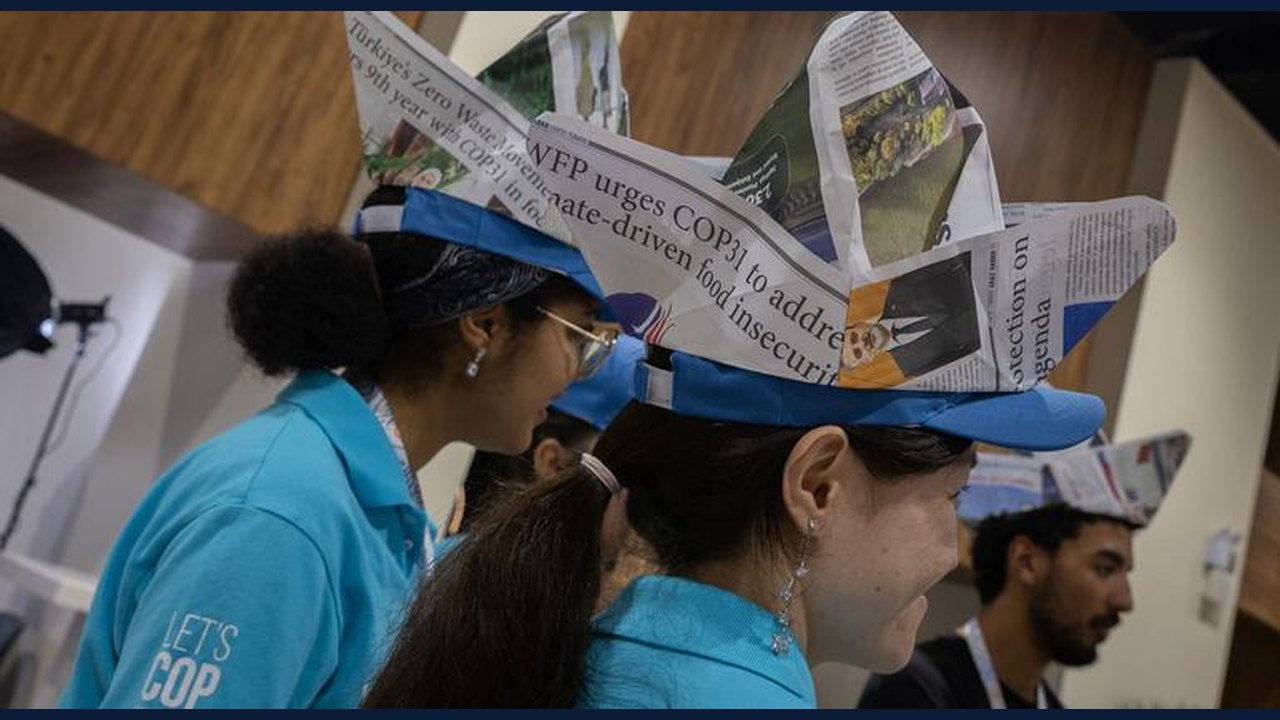
Image: UN News · Photo source · Resized and letterboxed to 16:9; no AI generation
As COP31 climate negotiations in Antalya enter their final days, discussions have increasingly focused on the role of oceans, forests, and Indigenous knowledge in protecting nature. The conference, set to close on 20 November, faces significant hurdles as ministers work to bridge divisions over fossil fuels and climate finance from an 18-page draft text.
Reported discussions and expert presentations at the summit highlighted several key environmental priorities and findings:
- Ocean Commitments and Funding: While a new analysis indicates that over 95 per cent of coastal and island nations include ocean measures in their climate plans, approximately 60 per cent of those commitments rely on external financing or technical support.
- Innovative Monitoring: UNESCO and partners are utilizing environmental DNA (eDNA) from seawater samples across 27 per cent of mapped seafloors and marine sites to help identify species and protect vulnerable habitats.
- Fire Management: Twenty-three countries endorsed the Antalya Action Plan on Integrated Fire Management, incorporating Indigenous knowledge supported by the UN Food and Agriculture Organization (FAO) to prevent wildfires.
- Climate Risk Index: A new report by Germanwatch ranked Dominica, Myanmar, and Honduras as the countries hardest hit by extreme weather over the past 30 years.
While co-hosts Australia and Türkiye have pushed to strengthen ocean-related actions in the draft agreement, uncertainty remains over which provisions will survive the final negotiations ahead of the Friday deadline. Observers note that turning existing commitments into funded action continues to be a primary challenge for attending ministers.
Readers can follow official updates directly through UN News reporting and verify specific conference documents via the official UN Framework Convention on Climate Change channels.
AI-assisted reporting; source claims are attributed and have not been independently verified.
More to read
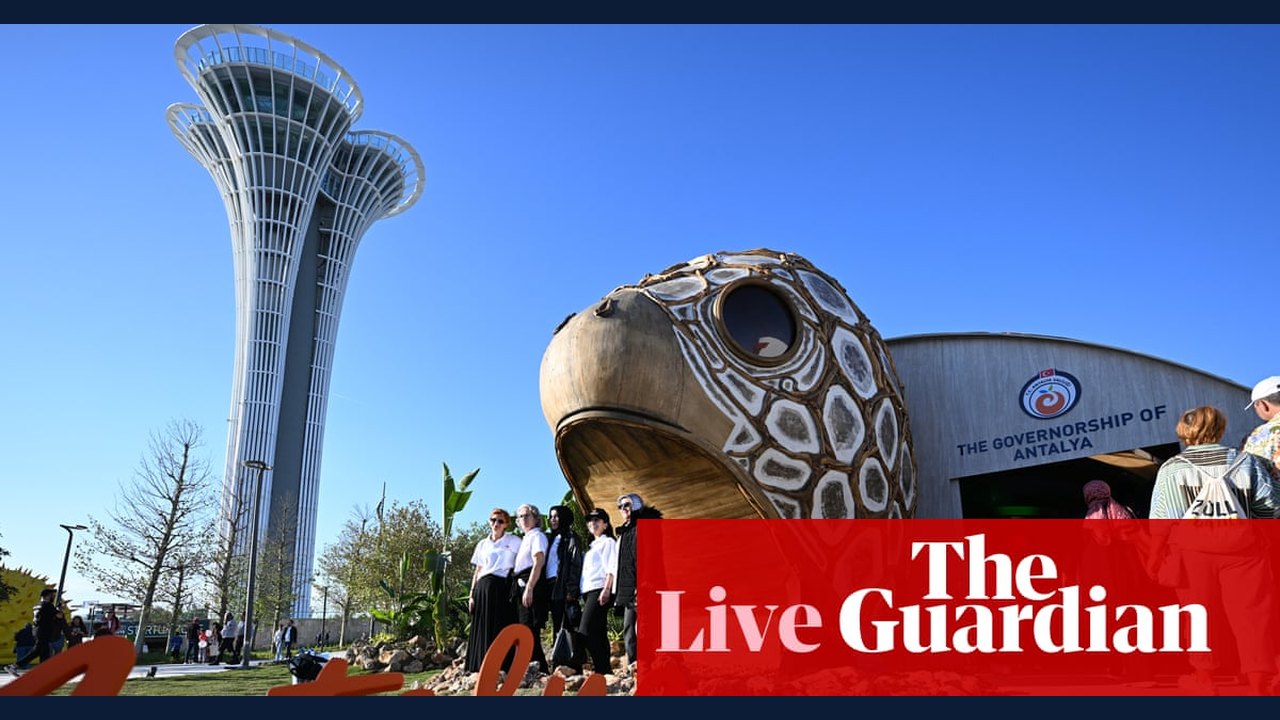 COP31 Draft Agreement Faces Pressure as Climate Negotiations Enter Final Days
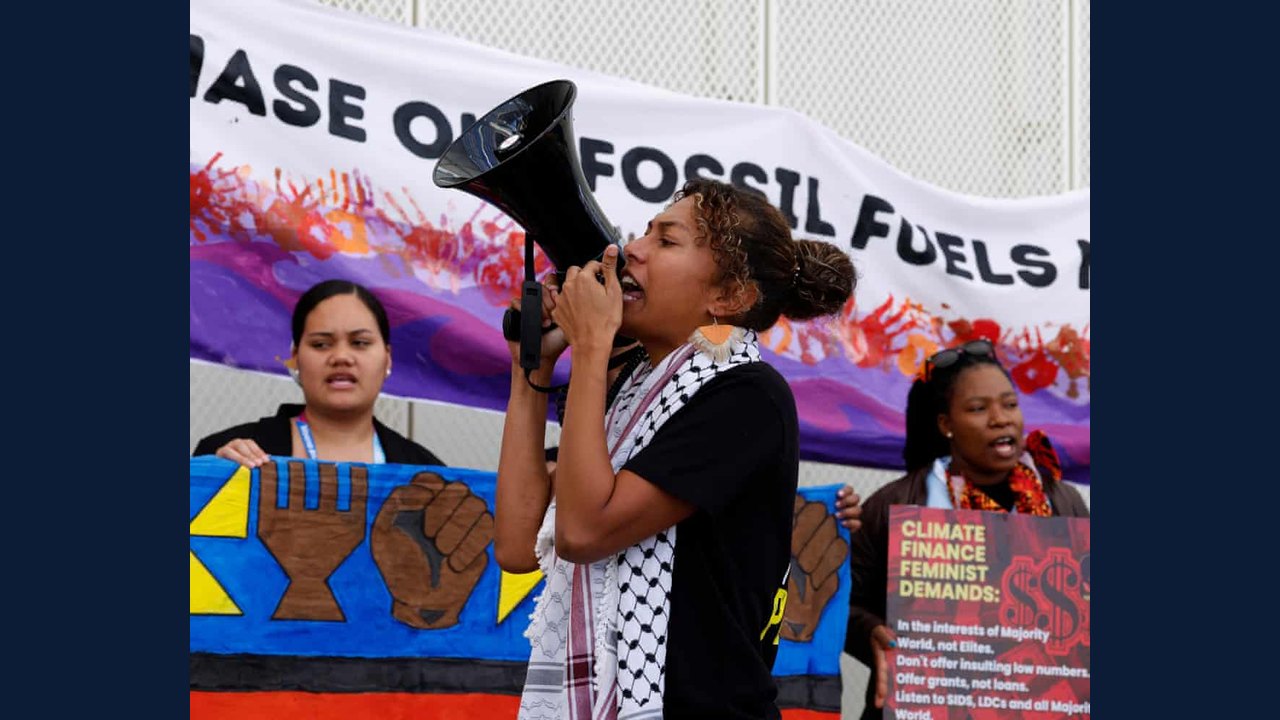 Global Climate Talks Enter Final Days Amid Pressure on Cop31 Draft Agreement
 COP31 Climate Summit Faces Deep Divisions as Negotiators Race Toward Final Days
 Guardian Journalists to Answer Reader Questions as Cop31 Climate Talks Reach Final Days