COP31’s Failure Fuels Calls for Overhaul of UN Climate Decision‑Making
· GlobeWire Daily Editorial Desk
What happened
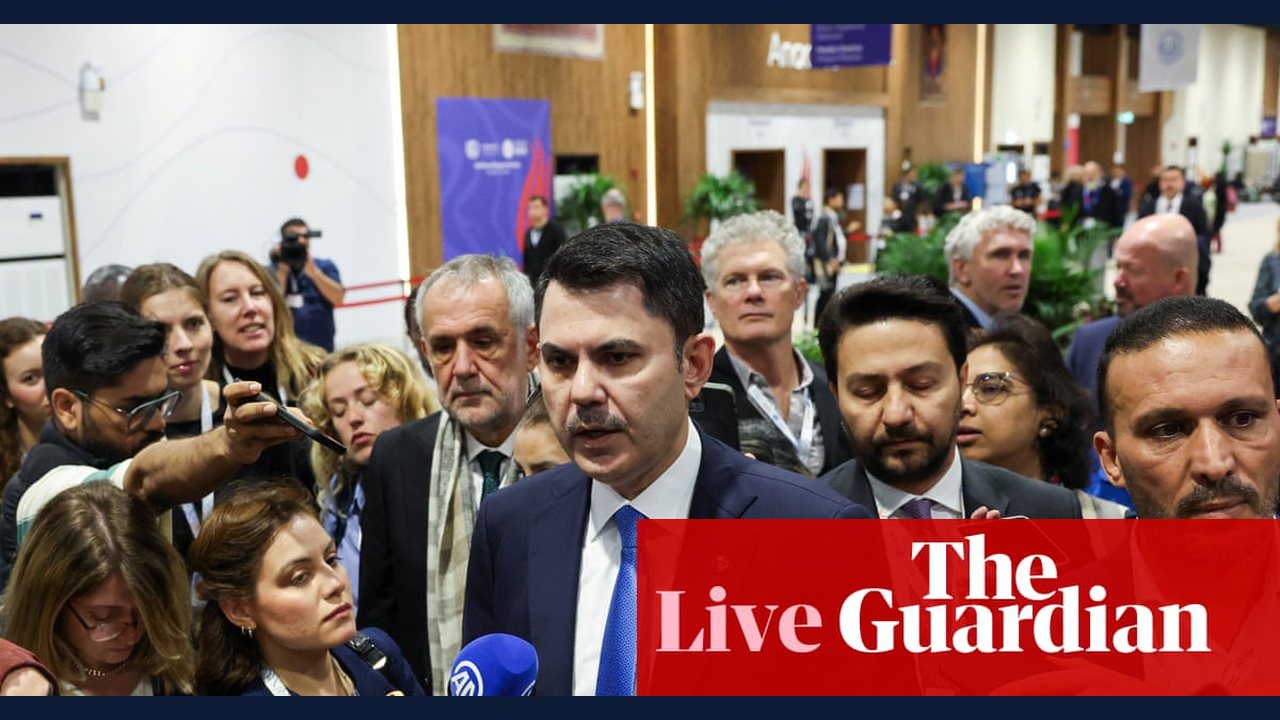
At the UN climate summit in Antalya, Turkey, COP31 collapsed when the draft “Antalya pact” could not secure consensus. The final plenary saw a coalition of EU members, Panama, Belize, Vanuatu, the UK, the Marshall Islands and Norway formally object, preventing the text from being adopted.
Why consensus is under fire
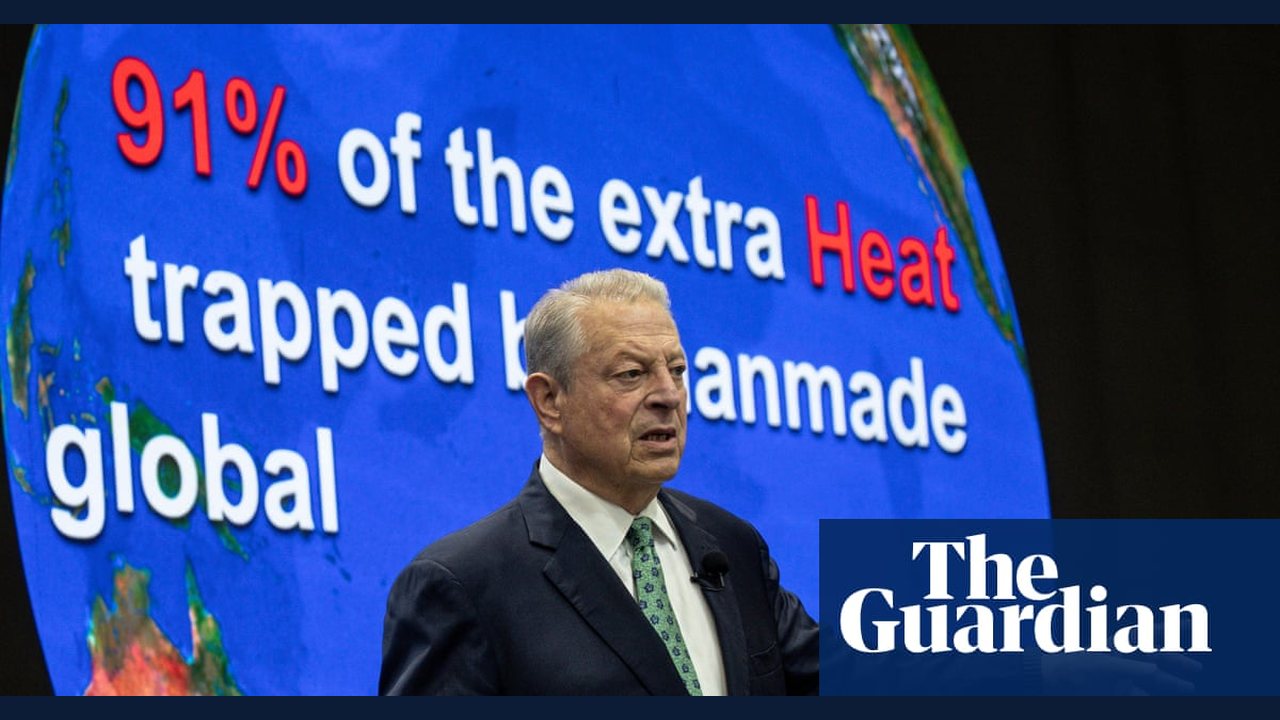
Experts say the unanimity rule that has guided the UN climate process since Paris 2015 is now a barrier. Al Gore, former US vice‑president, called the outcome an “outrage” and urged a shift to a voting system that can deliver “real action” on phasing out fossil fuels. Australian climate minister Chris Bowen echoed the criticism, noting that the very rule that created the COPs now makes it impossible to change the rule itself.
Defenders of the status‑quo
UN chief climate negotiator Simon Stiell defended consensus, pointing to the Paris Agreement’s success in lowering projected warming from ~5 °C to 2.6 °C by 2100. Still, he admitted the system “fell short in Antalya” and announced a review process to seek external advice on possible reforms.
Voices from the scientific community
Johan Rockström of the Potsdam Institute urged a move from “promises we never deliver” to accountability for commitments. Tobias Holle, co‑founder of Shifting Advocacy, described the process as “no longer fit for purpose” and called for structural reform that guarantees climate justice.
Regional perspectives
Panama’s delegation submitted an open letter demanding a path to majority‑vote decision‑making. China, India and many developing nations did not object to the text but expressed disappointment, while Ghana welcomed the decision, saying Africa prefers multilateralism over walking away.
What comes next
Simon Stiell said the UN will launch a formal review of the climate convention’s decision‑making rules, inviting input from governments, NGOs and scientific bodies. The review is expected to produce a report by mid‑2027, after which member states will debate any amendment at the next COP, scheduled for 2028.
Practical implications
- For NGOs and activists: Track the UN‑mandated review process and submit position papers before the 2027 deadline.
- For governments: Prepare to negotiate either a revised consensus framework or a hybrid model that includes majority voting on specific issues.
- For businesses: Anticipate possible faster‑track climate‑finance mechanisms if the UN adopts more flexible rules.
How to verify
The official UNFCCC website (unfccc.int) will publish the review terms of reference and any submitted stakeholder comments. Media outlets covering the 2028 COP will report on any rule‑change decisions.
--- *All statements are attributed to the individuals quoted in the Guardian report; no new quotes have been invented.*