Europe's Wadden Sea Faces Potential World Heritage in Danger Listing Amid Environmental Pressures
· GlobeWire Daily Climate Desk · Source: www.theguardian.com
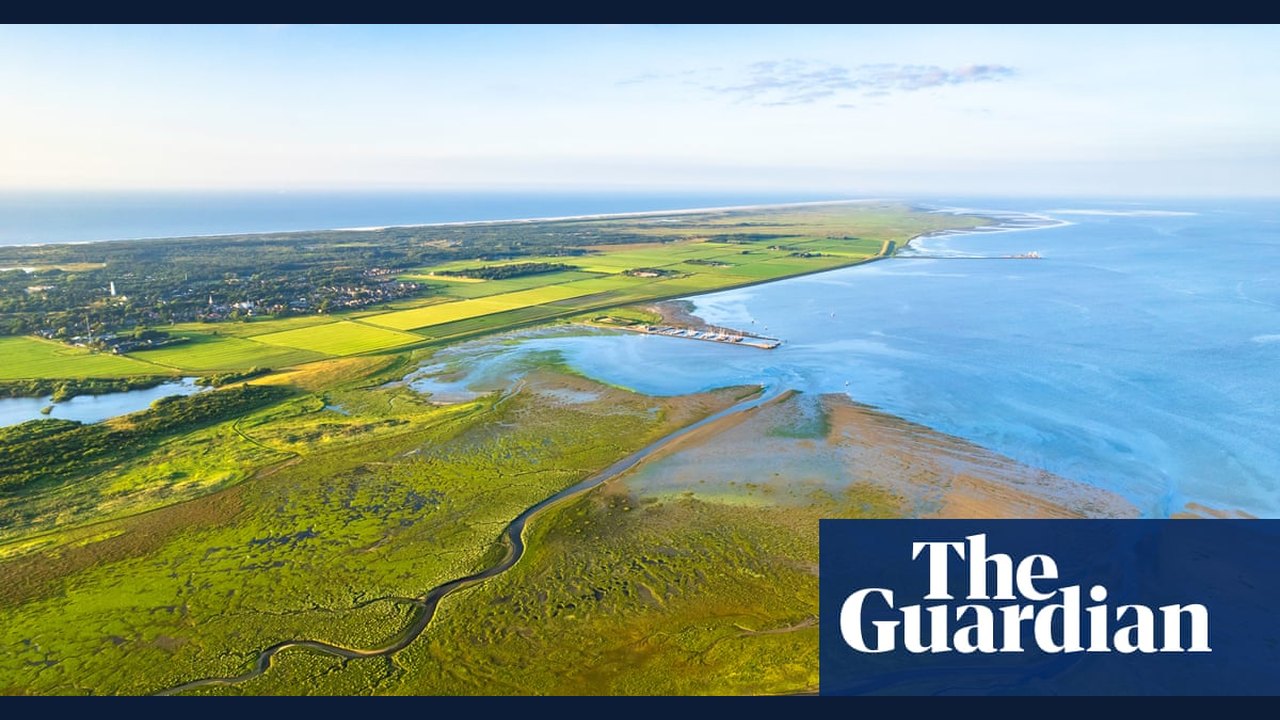
Image: the Guardian · Photo source · Resized and letterboxed to 16:9; no AI generation
The Wadden Sea, recognized as the world's largest unbroken system of intertidal sand and mud flats, is facing potential inclusion on UNESCO's world heritage in danger list. Stretching along the North European coasts of the Netherlands, Germany, and Denmark, the region was awarded world heritage status in 2009. However, UNESCO is expected to send a joint inspection mission with the International Union for Conservation of Nature (IUCN) in 2027 to assess its conservation state due to growing concerns over cumulative environmental pressures and ecological degradation.
Pressures on the Ecosystem
Experts and environmental campaigners point to multiple human activities impacting the unique marine habitat:
- Extraction Industries: Ongoing salt and gas extraction activities contribute to concerns regarding subsidence and habitat disruption.
- Fishing and Tourism: Commercial fishing, including bottom trawling authorized in parts of the German sector, alongside heavy tourism, continues to strain local biodiversity.
- Military and Infrastructure: Activities such as military exercises (including a NATO bombing range on the Dutch island of Vlieland) and renewable energy grid connections across mudflats add further stress.
Marine biologist Wouter van der Heij of the Dutch organization Waddenvereniging noted that bird populations, fish numbers, and overall biodiversity on the mudflats are declining. Rising sea levels and subsidence also threaten to keep mudflats covered even at low tides, endangering migratory birds that rely on them for food along the East Atlantic Flyway.
Local Impact and Community Response
Residents and business owners on the Wadden islands, whose economies depend heavily on tourism, have expressed deep concern over the situation. Earlier circulation of maps suggesting potential closures of parts of the Wadden area to meet conservation targets sparked a campaign called "We are the Wadden." Led by local figures such as Aant van der Veen on Vlieland, the petition gathered more than 50,000 signatures, leading to meetings with members of the Dutch House of Representatives.
In response to communication failures, a Dutch government spokesperson acknowledged the oversight and stated that local communities have lived alongside the natural environment for centuries, emphasizing that the area must remain livable while maintaining multifunctional use.
Management and Future Outlook
The management of the Wadden Sea is shared jointly among the Netherlands, Germany, and Denmark, though governed by complex layers of local, regional, national, and European regulations. While the Dutch government recently denied permission for gas extraction in the Ternaard field, pending decisions remain regarding salt extraction extensions near Harlingen, subject to monitoring methods.
Campaigners argue that adding new infrastructure projects, such as cables for offshore windfarms, on top of existing industrial activities creates cumulative harms that threaten both the natural ecosystem and the livelihoods of local residents.
AI-assisted reporting; source claims are attributed and have not been independently verified.
More to read
 UK Grants Jackdaw Gasfield Drilling Amid Climate Concerns, While Rosebank Oilfield Faces Potential Rejection
 Canada Faces Scrutiny Over Environmental Policy Incoherence Ahead of COP17 Biodiversity Summit
 UK Energy Sector Faces Pressure as EnQuest Exits North Sea and SSE Threatens Gas Storage Closure
 Taj Mahal and Agra Monuments Offer Free Entry for World Heritage Week