European-Made Pesticides Linked to Over 1,600 Poisoning Reports in Brazil
· GlobeWire Daily Climate Desk · Source: www.theguardian.com
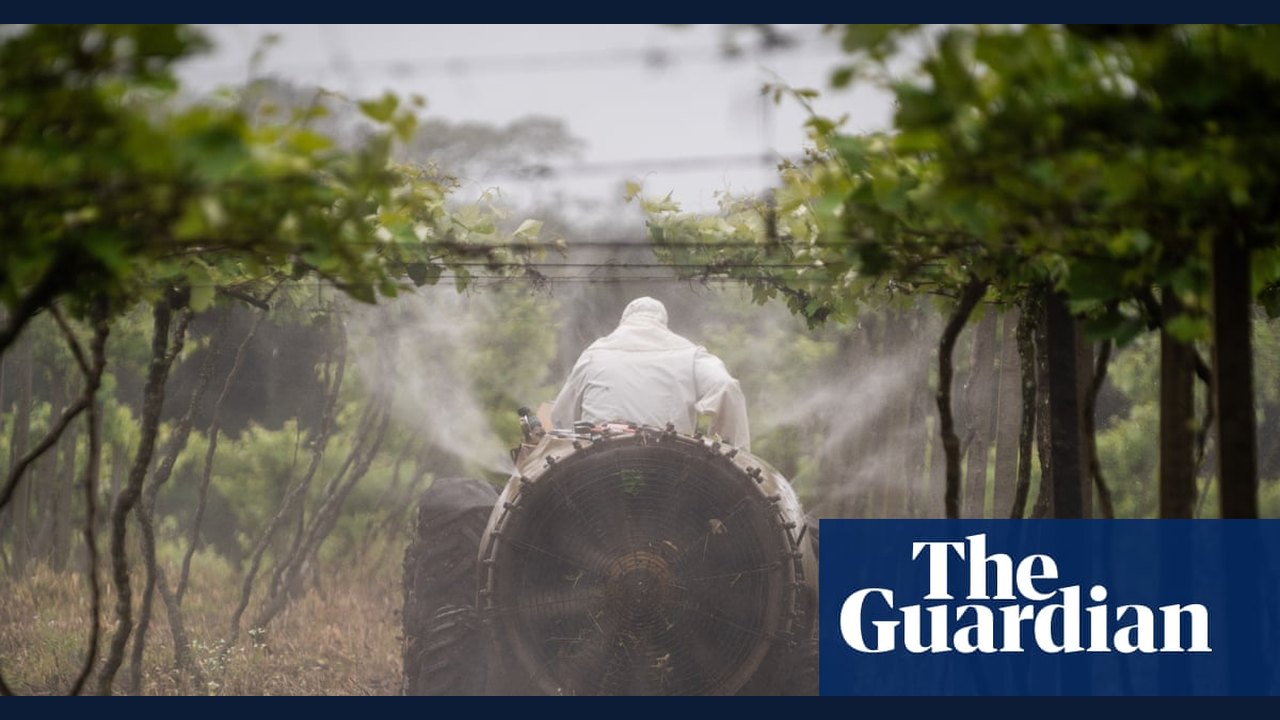
Image: the Guardian · Photo source · Resized and letterboxed to 16:9; no AI generation
An investigation published on Tuesday by Unearthed and Public Eye analyzed Brazilian health ministry data and found that European-made pesticides were named in 1,605 poisoning reports last year. Approximately a third of the implicated cases involved chemicals that are banned from use on farms within the European Union due to risks posed to human health and the environment. While the EU prohibits the use of these substances domestically, it does not ban their manufacture for export to countries where their application remains legally permitted.
Investigation Findings and Data Analysis
According to the analysis of 2,857 poisoning reports naming an identifiable agricultural product out of more than 6,700 total medical reports, European chemical companies' brands appeared frequently. Among the specific products identified were:
- Reglone: A UK-made weedkiller containing diquat, manufactured by Syngenta in Huddersfield and exported to Brazil. Diquat was banned in the UK in 2020. The investigation linked Reglone to 44 reports, including four deaths.
- Dormex: Manufactured in Germany by Alzchem and distributed by BASF, it contains cyanamide, a substance banned in the EU since 2008. The database recorded 17 confirmed poisonings involving Dormex.
- Finale: A BASF product containing glufosinate, which has been banned in the EU since 2018.
- Roundup: A glyphosate-based weedkiller manufactured by Bayer that was cited in numerous Brazilian poisoning reports, including 12 deaths.
Across all reports involving European company products, the investigation identified 32 reported deaths, of which 31 were classified as confirmed poisonings and 26 were recorded as suicides. Syngenta products were cited 425 times and BASF products 179 times, with some reports naming multiple manufacturers.
Challenges in Clinical Diagnosis
Under Brazilian law, healthcare professionals must submit reports for suspected pesticide poisoning cases. Experts note that laboratory confirmation is rare, and diagnoses often depend on clinical judgment. Vanda Garibotti, a public health biologist, stated that insufficient training, high staff turnover, and a lack of institutional support limit the formal confirmation of cases through laboratory tests.
Company Responses and Regulations
Representatives for the chemical companies responded to the findings:
- Syngenta stated that nearly half of the attributed cases were not classified as confirmed poisonings and accused the investigators of disregarding final dataset classifications and selectively interpreting data. The company emphasized Brazil's robust regulatory system, differing agricultural conditions, and its training programs.
- Bayer argued that its products are safe when used according to label instructions, questioned data reliability, and noted that "Roundup" is often used generically. The company also highlighted its safety training initiatives.
- BASF expressed concern over poisoning reports, noted that some incidents may involve intentional ingestion or misuse, and emphasized its commitment to safe handling education and adherence to regulatory standards.
Campaigners, including representatives from Greenpeace UK, have criticized the practice as a deadly double standard, arguing that chemicals deemed too dangerous for use in Europe should not be exported abroad.
AI-assisted reporting; source claims are attributed and have not been independently verified.
More to read
 Anne-Sophie Woronoff Shares Personal Loss Amid European Heatwave Crisis
 New Study Attributes Record 50,000 Summer Heat Deaths in European Cities to Climate Breakdown
 Police Officers Sacked for Lying About Searches Linked to Fatal Crash
 GTA 6 Features Music and Property Connections Linked to The Weeknd