Greenpeace Boulders Dropped on North Sea Site Could Complicate £12bn Windfarm Project
· GlobeWire Daily Climate Desk · Source: www.theguardian.com
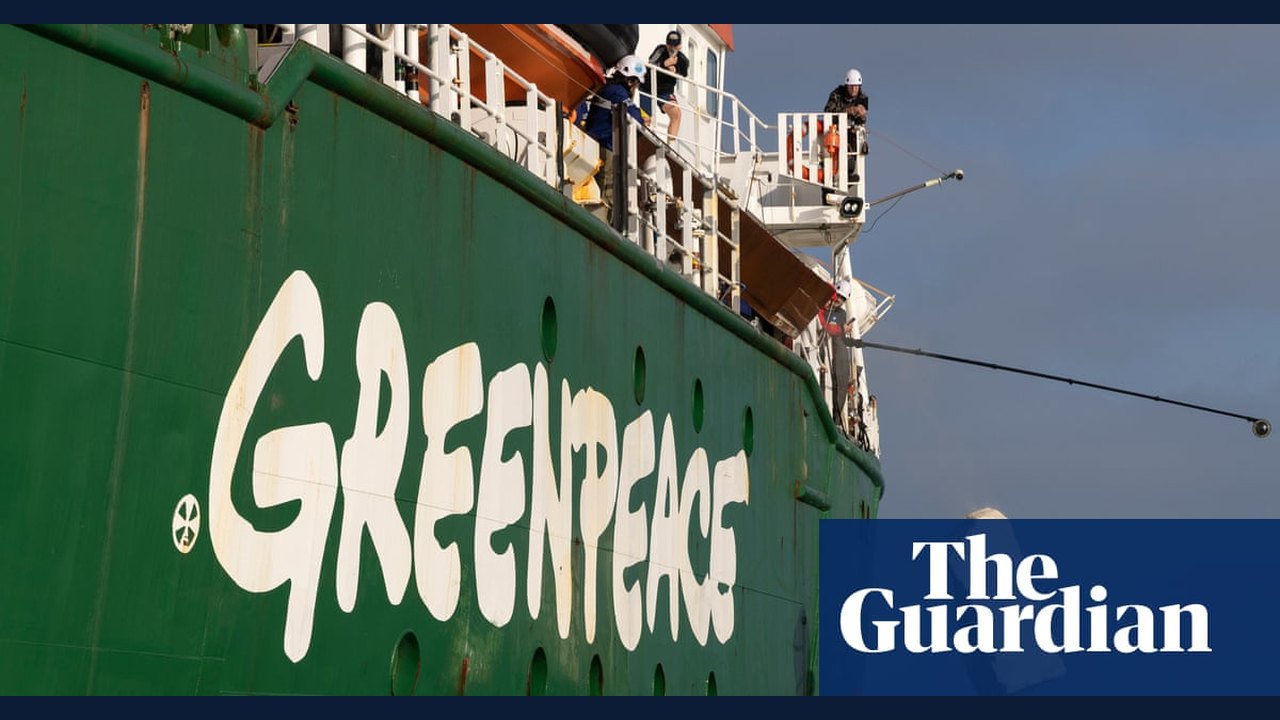
Image: the Guardian · Photo source · Resized and letterboxed to 16:9; no AI generation
Greenpeace activists have placed approximately 15 tonnes of large boulders on the seabed off the Norfolk coast as part of a campaign against bottom trawling, inadvertently overlapping with the planned site of the multi-billion-pound Norfolk Vanguard East windfarm project.
According to reports, the underwater barrier was created to protect harbour porpoises from destructive fishing practices. However, the placement intersects with an area earmarked for major renewable energy development, raising questions about potential construction hurdles.
Background and Campaign Intentions
- Protest Focus: The action was intended to stop seabed trawling in the southern North Sea and coincided with the launch of a BBC documentary series.
- Celebrity Support: Some of the dropped stone blocks feature signatures from public figures who support marine conservation.
- Unintentional Overlap: Reports indicate that while Greenpeace checked for existing infrastructure like cables and pipelines, they were unaware the specific location was slated for the Vanguard East windfarm.
Developer Response and Practical Implications
- Surveys and Talks: German utility company RWE, the windfarm developer, is reportedly in discussions with Greenpeace to determine the exact locations of the boulders.
- Survey Updates: RWE plans to update seabed surveys that began last summer and investigate any potential impacts on upcoming construction or undersea cables.
- Removal Expectations: Industry sources suggest the boulders may be removed within months as part of preparations for the £12bn project, which secured government backing and is scheduled to begin construction next year.
Differing Perspectives
An RWE spokesperson characterized communications with Greenpeace as constructive while the company assesses precise implications. Meanwhile, Will McCallum, co-executive director of Greenpeace UK, dismissed concerns that the rocks would pose a lasting obstacle, arguing that energy firms routinely clear naturally occurring boulders that can be significantly heavier than the ones placed by activists.
To verify original claims and monitor project updates, interested parties can consult official announcements from RWE or statements issued by Greenpeace UK.
AI-assisted reporting; source claims are attributed and have not been independently verified.
More to read
 Unison Leader Argues Public Sector Workers Are Left as 'Afterthought' Compared to North Sea Oil Focus
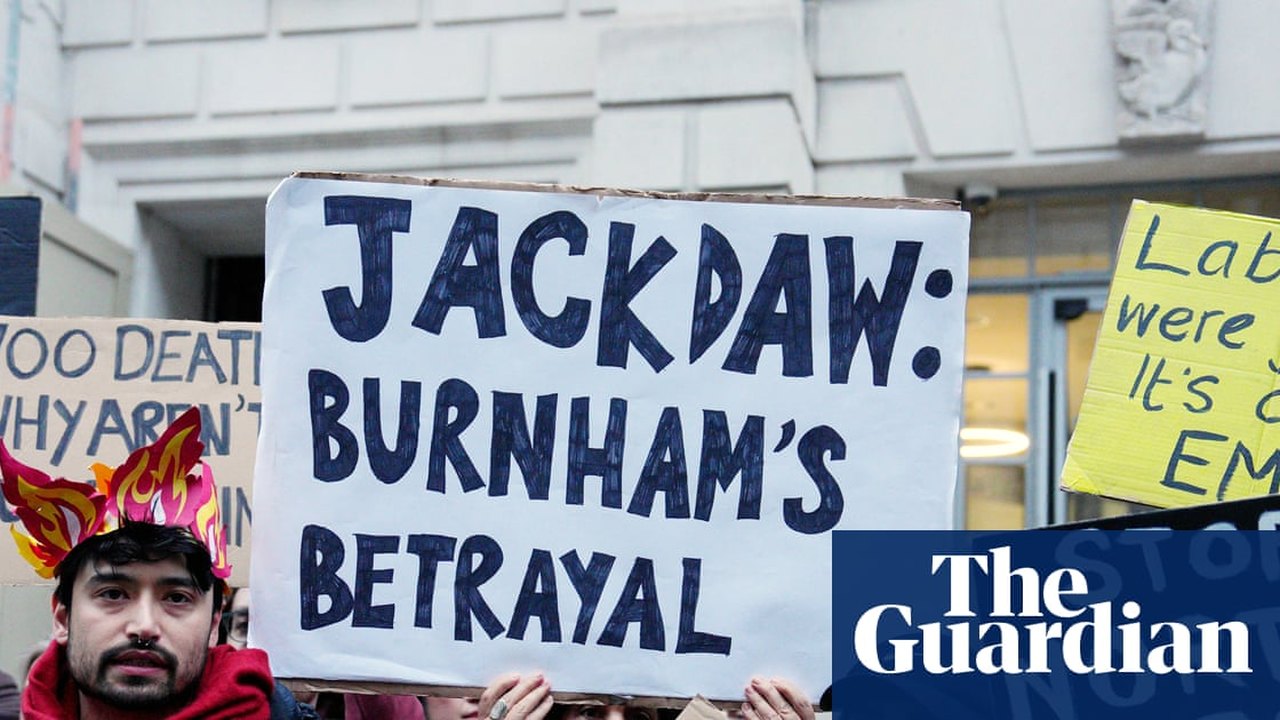 UK Government Approves Jackdaw North Sea Gasfield, Prompting Broad Climate‑Policy Criticism
 Major Oil Producer EnQuest Agrees to Sell UK North Sea Business for Up to £729m
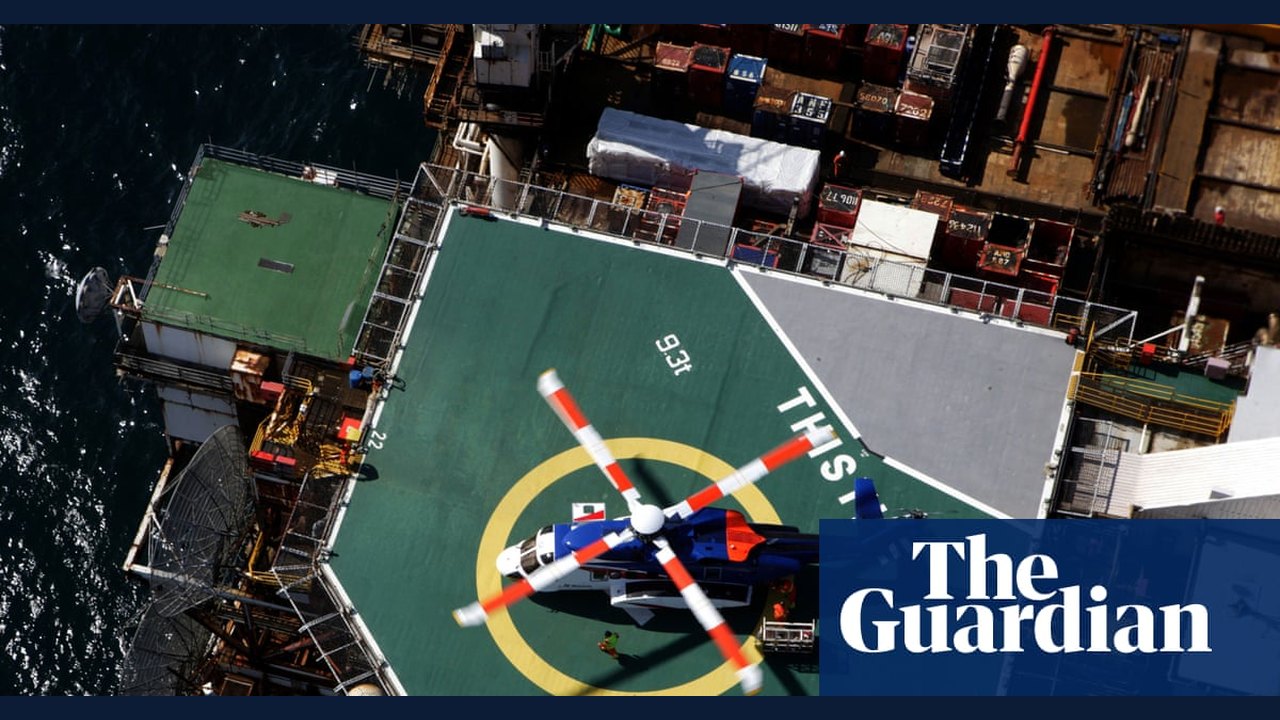 UK Energy Sector Faces Pressure as EnQuest Exits North Sea and SSE Threatens Gas Storage Closure