Phil the bar-tailed godwit tracked on 6,800-mile round trip from Norfolk to Siberia
· GlobeWire Daily Climate Desk · Source: www.theguardian.com
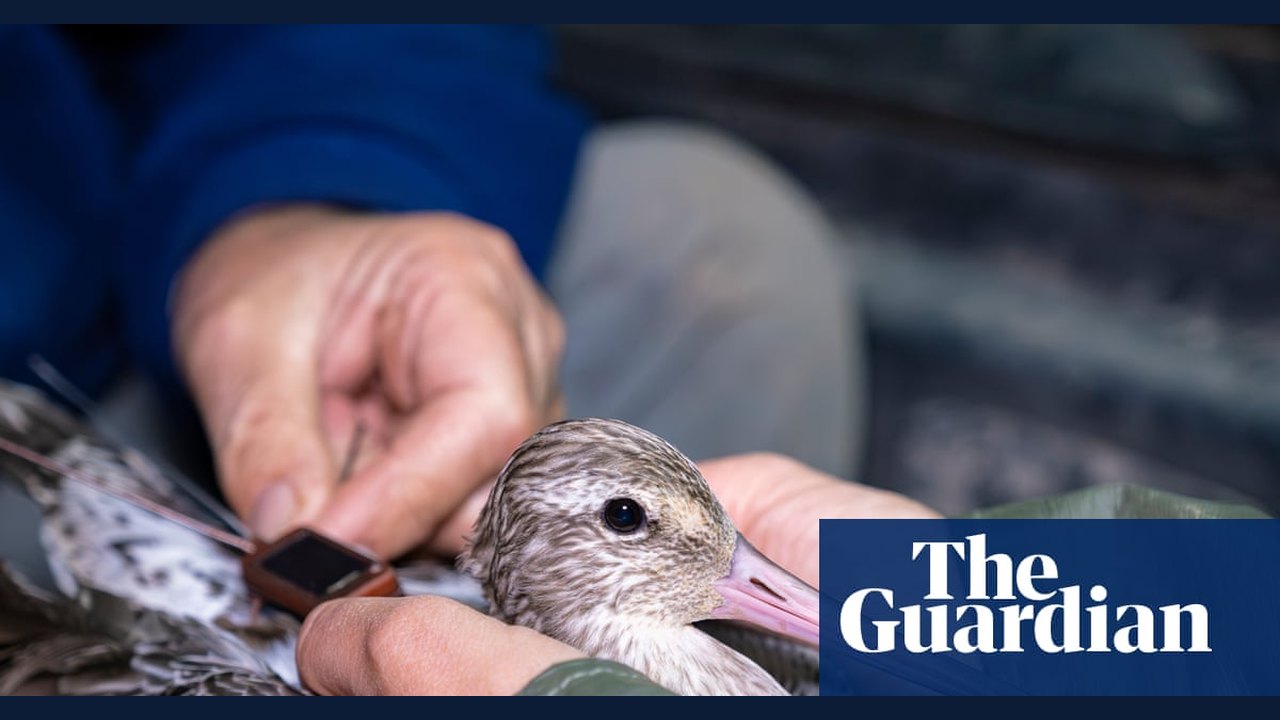
Image: the Guardian · Photo source · Resized and letterboxed to 16:9; no AI generation
Scientists and conservationists have successfully mapped a bar-tailed godwit's 6,800-mile round-trip migration from Norfolk to Siberia and back. This marks a detailed tracking achievement for the long-distance migrant species.
A bar-tailed godwit is a wading bird slightly larger than a pigeon. The species is known for undertaking exceptionally long non-stop migratory flights. Populations visiting Britain typically breed in the Arctic Circle during the summer months before moving to unfrozen British wetlands for the winter season.
The Tracking and Journey
- Device Used: A lightweight tracker weighing only 6 grams.
- Deployment: Fitted in January by the Wash Wader Research Group.
- Name Origin: Named after Phil Ireland, the group's long-serving former leader.
Following deployment, the tracker recorded Phil's movements across multiple key locations:
- March: Traveled from the Wash to the Wadden Sea coasts across the Netherlands, Denmark, and Germany.
- Late May: Reached the Taymyr peninsula in central Siberia.
- Return Journey: Flew over the Arctic Ocean off northern Norway, stopping briefly on three small Norwegian islands before heading back to the Wadden Sea.
- Current Status: Safely recorded back at RSPB Snettisham on the edge of the Wash.
Conservation Context and Expert Insights
Jeff Kew, a coastal adviser for the RSPB, noted that tracking a local bird traveling thousands of miles to Siberia and back highlights the need for international cooperation in protecting migratory species. These birds rely on interconnected networks of wetlands across multiple borders.
The bar-tailed godwits visiting Britain utilize the east Atlantic flyway, an expansive migratory route stretching from the Arctic to South Africa that supports millions of birds annually. The mudflats of the Wash serve as a critical feeding and resting ground.
Dr Nigel Clark of the Wash Wader Research Group emphasized that the Wash remains the United Kingdom's most vital coastal wetland for migratory waders. He explained that tracking individual birds like Phil demonstrates the deep ecological connectivity between the Wash and other sites along the entire flyway.
Practical Implications and Verification
- Verification: Readers can verify official conservation announcements through the Royal Society for the Protection of Birds (RSPB) or the Wash Wader Research Group publications.
- Protection Need: The findings underscore the importance of maintaining international wetland habitats to support migratory bird populations.
AI-assisted reporting; source claims are attributed and have not been independently verified.
More to read
 BMW i3 Completes 3,700-Mile European Road Trip with Under 3 Hours of Charging
 As Cruise Season Ends in Skagway, Alaska, Residents Face Housing and Year-Round Challenges
 An Impromptu Birding Trip With a Stranger Near Slimbridge Wetland Centre
 Canadian Prime Minister Mark Carney Faces Domestic Scrutiny Over Omnibus Legislation and Fast-Tracked Development