Reframing Climate Policy Around Energy Justice and National Well-Being, Analysts Argue
· GlobeWire Daily Climate Desk · Source: www.thehindu.com
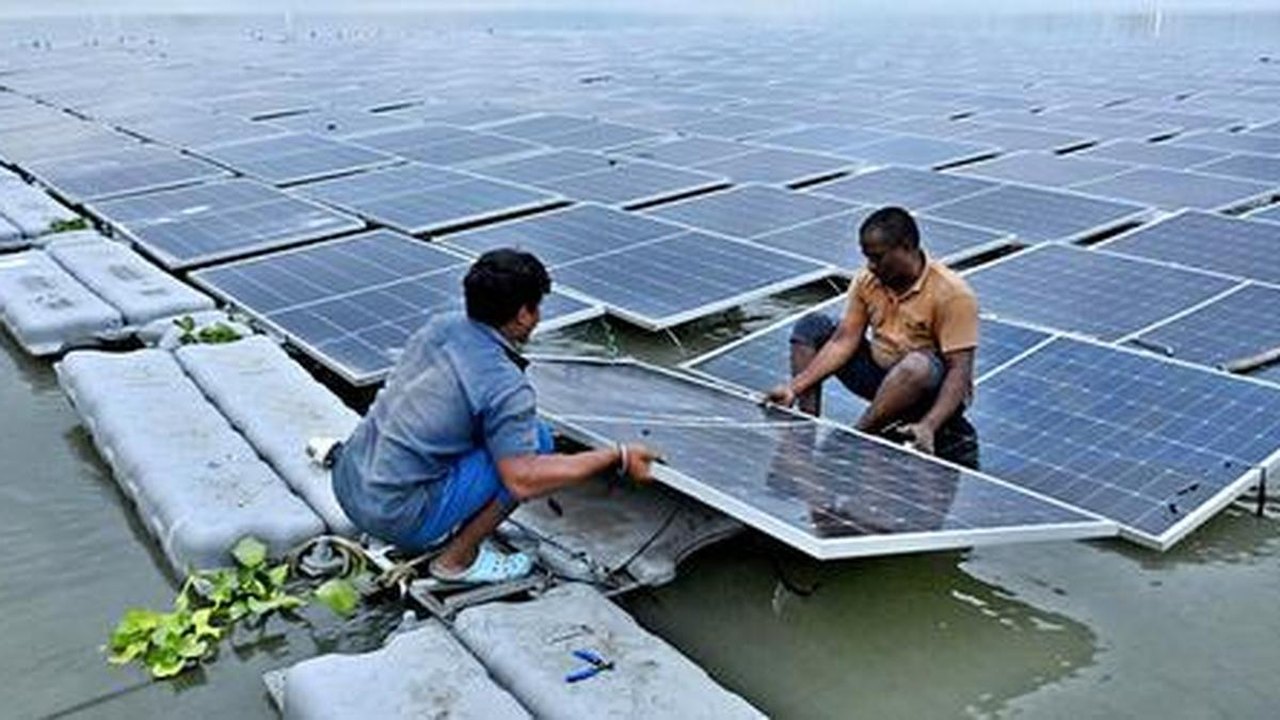
Image: www.thehindu.com — Creative Commons
Rethinking the Global Climate Agenda
A shift in perspective is required to address climate challenges not as a uniform global temperature target driven purely by emissions, but as a set of national crises rooted in unequal energy use. According to policy analysis and commentary, international climate negotiations over the past 35 years have largely focused on production patterns and global models set primarily by Western academics and diplomats, often bypassing the fundamental issue of national energy consumption.
The commentary suggests that emerging economies require adequate energy to achieve human well-being and urbanization comparable to Western nations. Rather than adhering strictly to top-down global consensus frameworks that critics describe as ineffective regarding financial resource transfers and technology implementation, countries may benefit from prioritizing national actions centered on energy justice and electrification.
Growth Models and Consumption Patterns
Alternative pathways demonstrate that nations can achieve high levels of well-being with lower overall energy usage compared to historical Western models. Citing recent trends, analysts point out that electrification powered by renewables—such as solar, wind, and hydropower—is transforming transportation and industry. For instance, countries like China have expanded renewable manufacturing and deployment rapidly, utilizing zero-marginal-cost energy sources to meet rising domestic demand while limiting consumption as a percentage of GDP.
At the same time, shifting geopolitical landscapes, including recent U.S. executive policy prioritization of economic efficiency and domestic consumer choice in energy engagements, highlight a growing departure from unified multilateral climate agendas. Furthermore, the analysis notes that carbonization often precedes decarbonization in the Global South as developing economies strive to lift living standards.
Practical Implications and Verification
Readers evaluating current climate policy discussions can observe several practical takeaways based on the published analysis:
- Shift from Emissions to Energy Use: Policy debates are increasingly urged to look at actual energy consumption patterns and electrification rates rather than broad global temperature metrics alone.
- Role of Renewables: The deployment of decentralized renewable technologies relies heavily on strategic state-level integration to manage intermittency, rather than market forces operating in isolation.
- Focus on Resilience: With extreme weather events disproportionately impacting regions with limited insurance coverage, practical measures such as regional disaster cooperation and early warning systems are highlighted as immediate necessities over token financial commitments.
What is Confirmed vs. Unknown: It is confirmed that international climate dialogues have spanned decades and that differing national priorities exist between industrialized and emerging economies regarding energy use and economic growth. What remains unquantified in universal models is the exact threshold of energy required for sustainable human well-being across diverse urban environments.
Readers can verify the original context and read the complete commentary by visiting the official source article published by The Hindu at [https://www.thehindu.com/sci-tech/energy-and-environment/from-climate-targets-to-energy-justice/article71628453.ece](https://www.thehindu.com/sci-tech/energy-and-environment/from-climate-targets-to-energy-justice/article71628453.ece).
AI-assisted reporting; source claims are attributed and have not been independently verified.
More to read
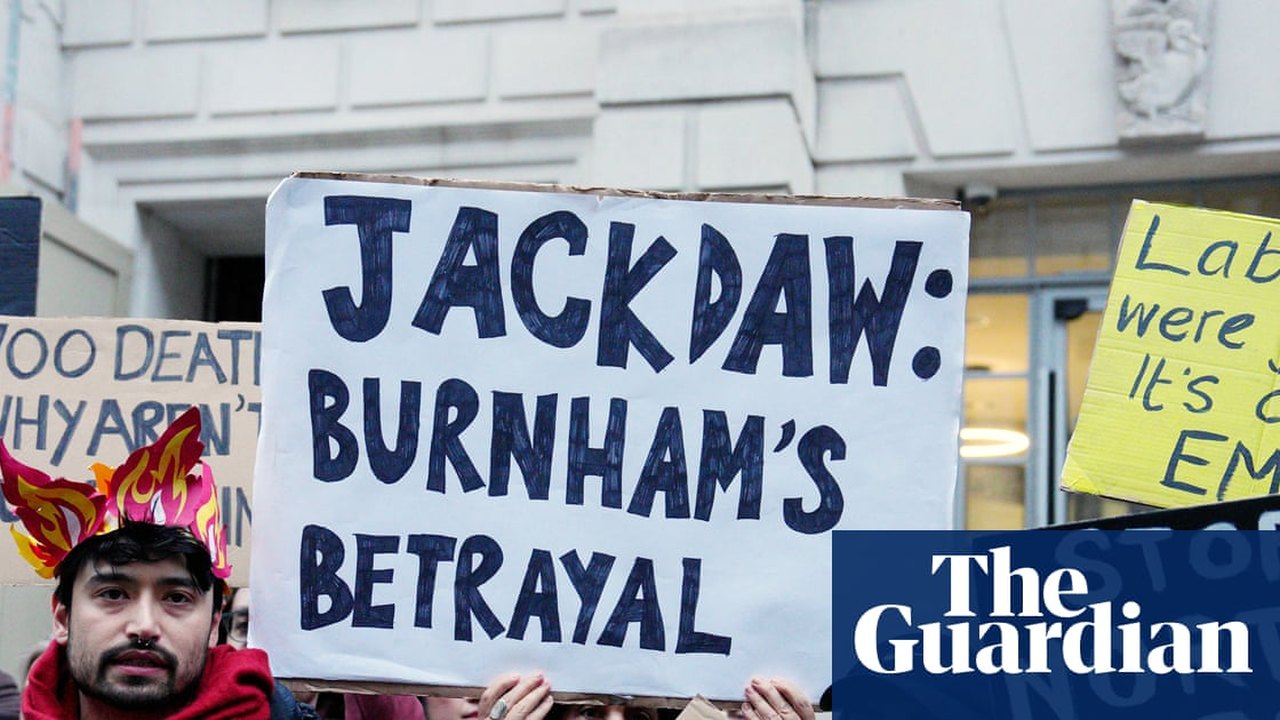 UK Government Approves Jackdaw North Sea Gasfield, Prompting Broad Climate‑Policy Criticism
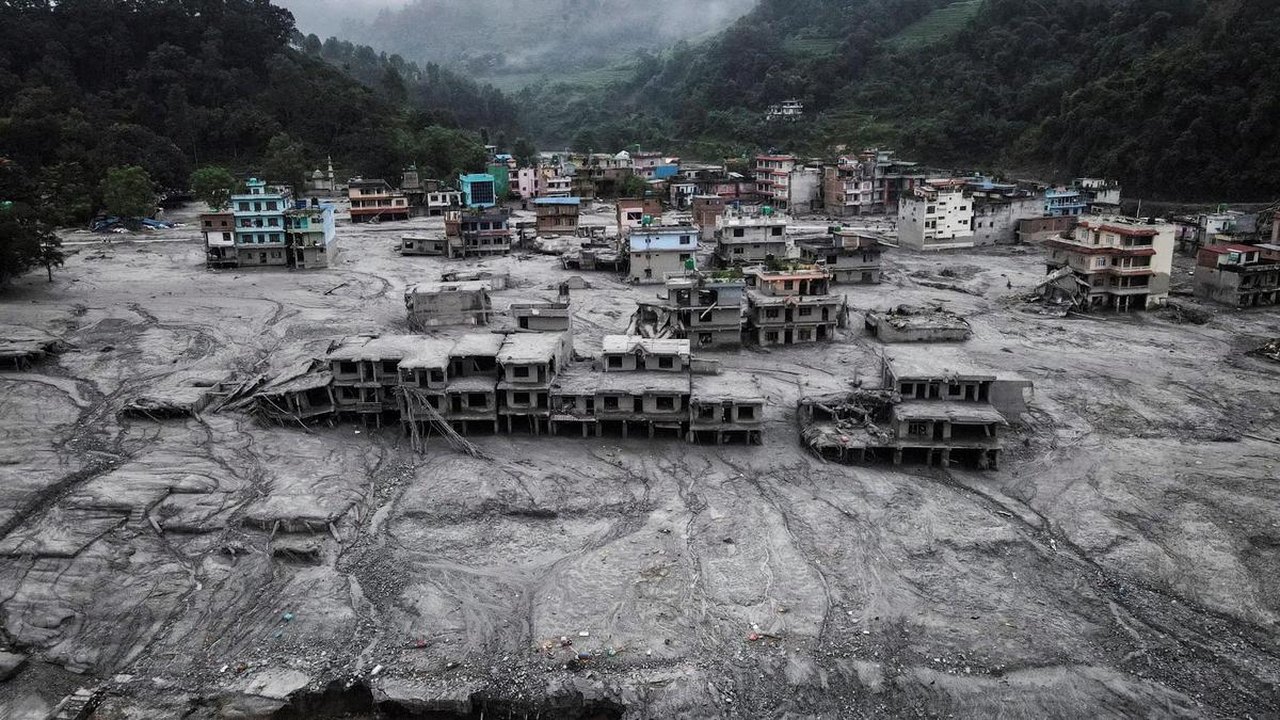 UN Loss and Damage Fund Earmarks $20 Million for Nepal Following August Disasters
 Canada Faces Scrutiny Over Environmental Policy Incoherence Ahead of COP17 Biodiversity Summit
 Rooted in Faith: Growing Numbers of Jewish Farmers Revive Ancient Agrarian Traditions in the US
Trending on GlobeWire Daily
Selected from recent coverage and related topics; not live search rankings.
 Tamil Nadu Teachers Education University Appoints New Registrar-in-Charge Amid Inspection Allegations
 Punjab & Haryana High Court announces recruitment of 1,270 clerks for district courts – applications open Oct 7, close Nov 4, 2026
 Oil India Executive Recruitment 2026: Applications Open for 32 Posts
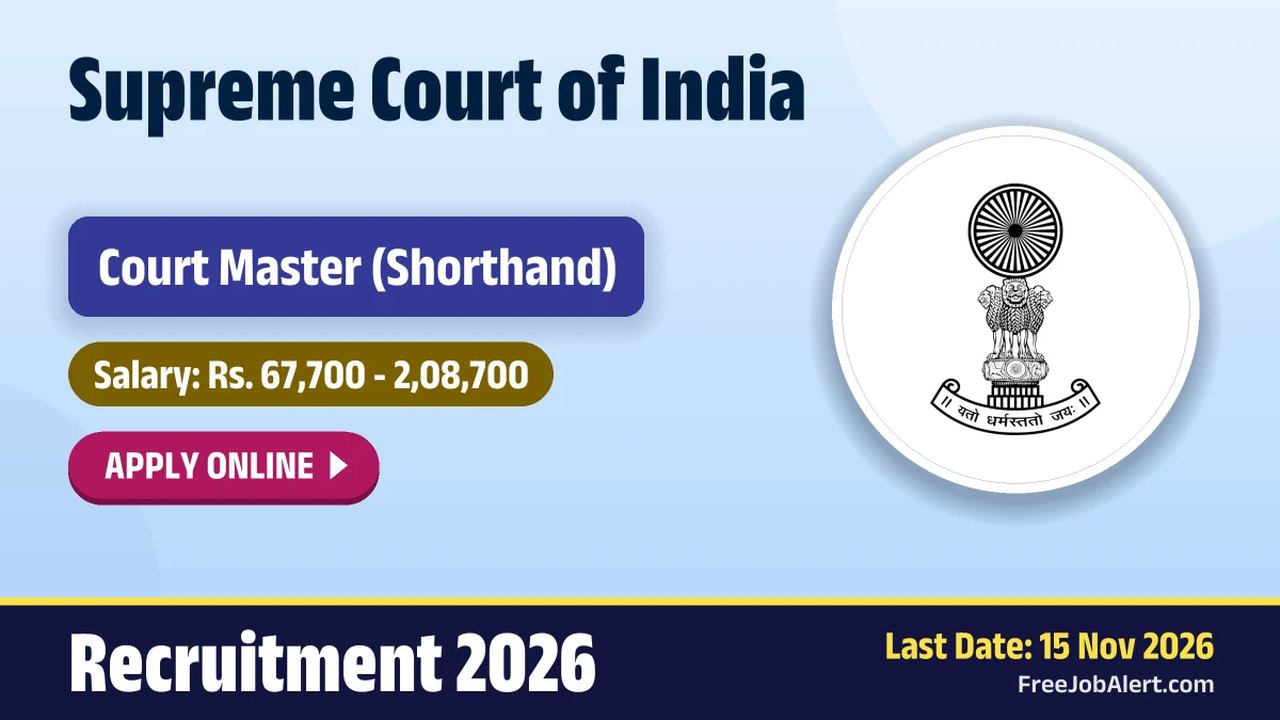 Supreme Court of India Announces Recruitment for 20 Court Master (Shorthand) Posts: Dates, Eligibility, and Pay Scale
 Delhi District Courts Recruitment 2026: 641 Vacancies Open for Peons, Assistants and More
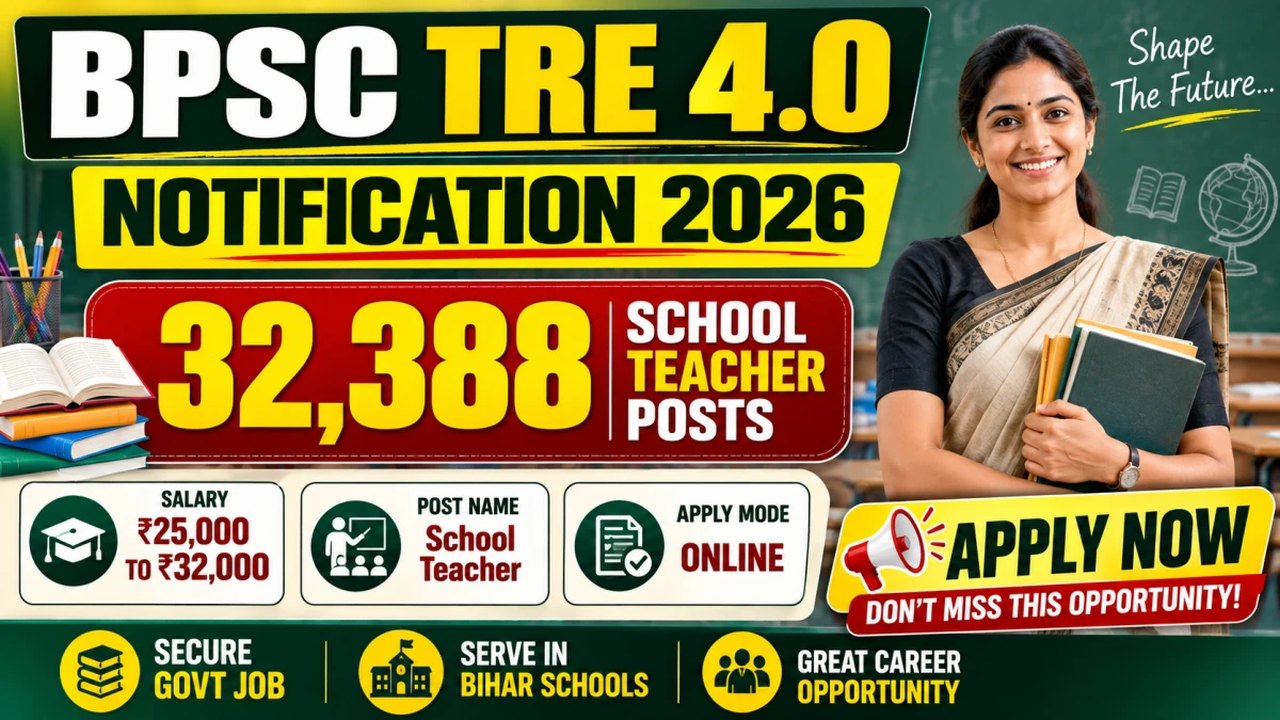 BPSC TRE-4.0 Recruitment 2026: Bihar Opens Applications for 32,388 School Teacher Posts