Report claims 'phantom forests' in Australian outback produce low-integrity carbon credits
· GlobeWire Daily Climate Desk · Source: www.theguardian.com
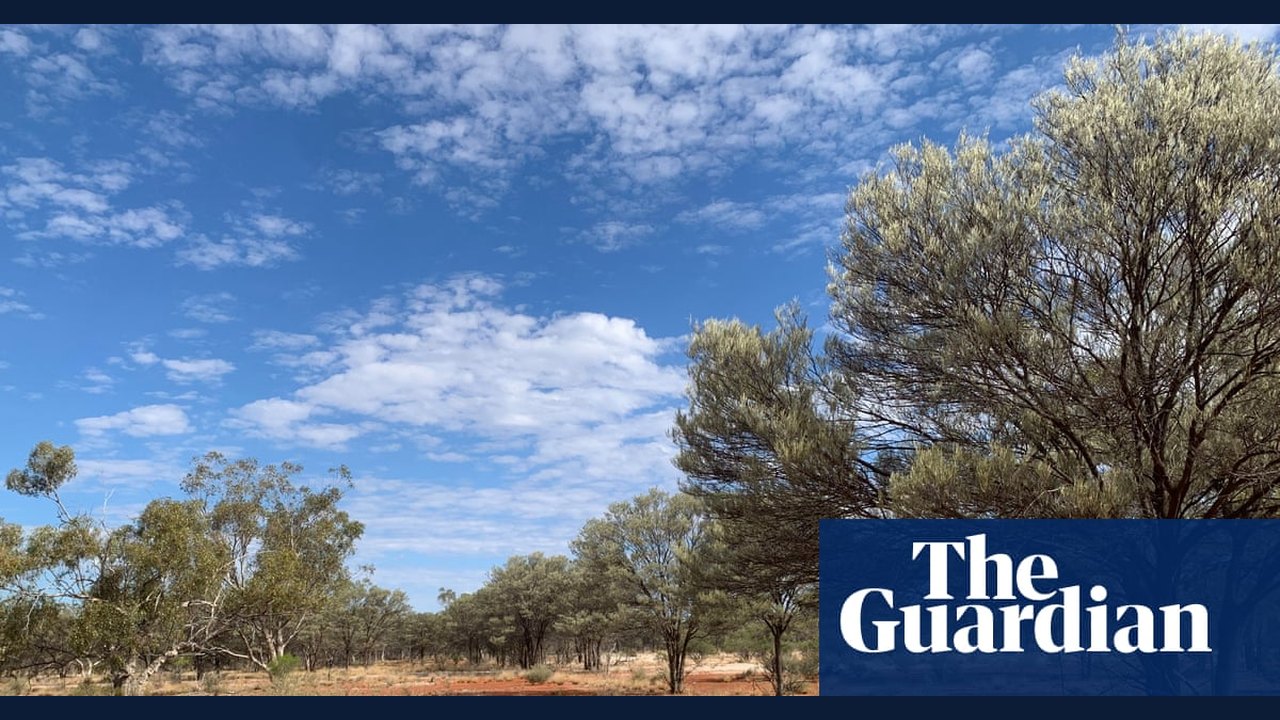
Image: the Guardian · Photo source · Resized and letterboxed to 16:9; no AI generation
A new report released by the Australian Conservation Foundation claims that so-called "phantom forests" in Australia's semi-arid outback are generating carbon credits with minimal actual increase in tree cover. Carbon offsets are utilized by industrial polluters under federal policy to counterbalance greenhouse gas emissions.
Academic researchers, led by Professor Andrew Macintosh, examined 50 forest regeneration projects. They reported only minor gains in canopy cover over a five-year period despite wet conditions. The findings have intensified a national debate regarding the integrity of Australia's climate policy and carbon offset schemes.
Key Findings and Claims
- Academic Investigation: Researchers from institutions including the Australian National University reported that certain regeneration areas in north-western New South Wales showed little to no substantial forest growth.
- Credit Generation: The report claims that these projects have produced over 60 million carbon credits, valued at up to $2 billion, which are subsequently used by fossil fuel companies.
- Safeguard Mechanism Concerns: The Australian Conservation Foundation argues that low-integrity credits undermine the federal safeguard mechanism, allowing major polluters to purchase offsets rather than implementing direct emission reductions.
Industry and Regulator Responses
- Carbon Project Companies: Firms such as Green Collar and Climate Friendly strongly rejected the findings. Green Collar argued that satellite imagery fails to account for carbon stored in wood, roots, and branches beneath the canopy.
- Regulatory Stance: The Clean Energy Regulator stated it has confidence in the regeneration method, noting that non-complying areas totaling 6.7 million potential credits have previously been rejected.
Readers can verify official regulatory frameworks and policy reviews through the Clean Energy Regulator or Australian government environmental portals.
AI-assisted reporting; source claims are attributed and have not been independently verified.
More to read
 Google Announces Gemini 4 Carbon Model Highlighting AI Coding and Cybersecurity Claims
 IEA Report Warns Datacentres Face 70% Rise in Carbon Emissions by 2030
 Harvard Study Links U.S. Data Centers to Massive Carbon Emissions
 First Global Guidelines Put Spotlight on Ocean Geoengineering and Carbon Removal Industry