‘When it roars, we roar back’: the man who faces Bengal tigers in Bangladesh
· GlobeWire Daily Climate Desk · Source: www.theguardian.com
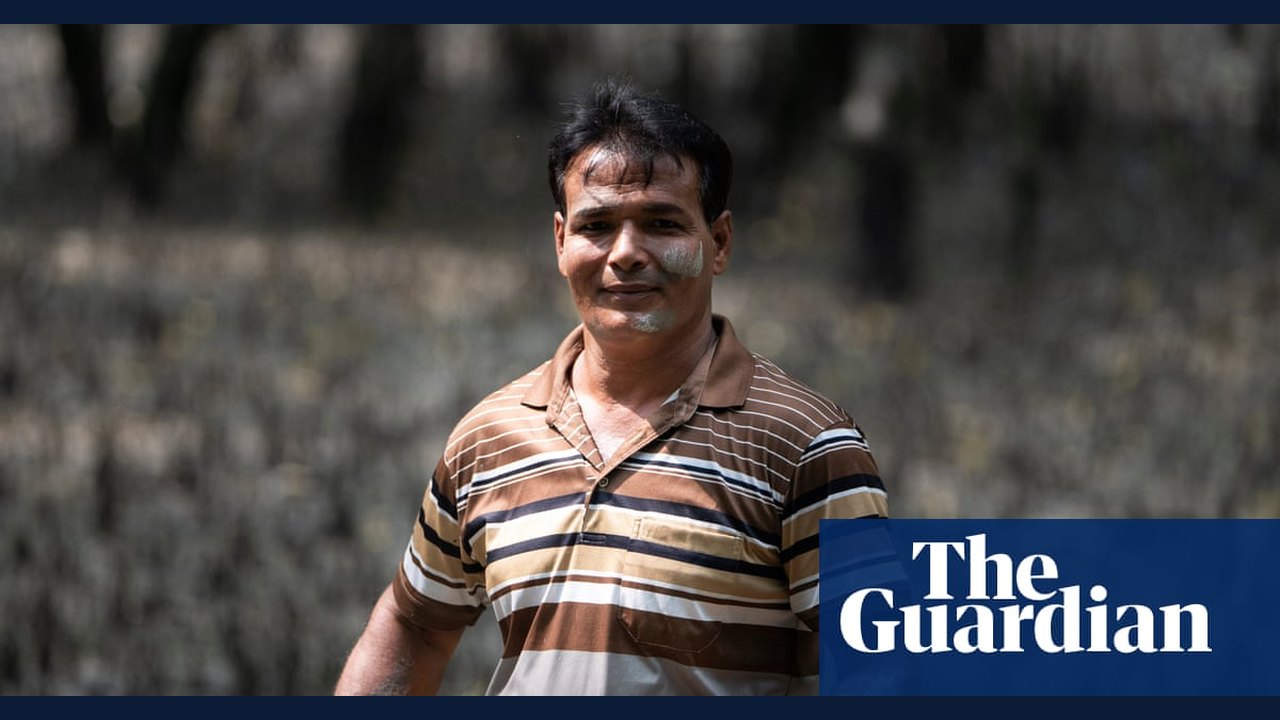
Image: the Guardian · Photo source · Resized and letterboxed to 16:9; no AI generation
Abdul Goni Gazi, a 45-year-old conservation advocate from Bangladesh, works to protect both human communities and Bengal tigers in the Sundarbans mangrove forest. His journey began at age 15 when he encountered a fully grown tiger during a fishing trip with his brother, an experience that initially caused him to faint from fear but later sparked a deep fascination with the big cats.
From Fear to Conservation
Inspired by his father's stories about protecting people from tigers, Gazi initially focused on human victims of attacks. Around 2007, following a fatal tiger attack in Satkhira, he assisted conservation groups, eventually working with organisations such as Wild Team. When funding for Wild Team dried up by 2019, Gazi formed his own 21-person volunteer crew to handle wildlife rescues, including tigers and snakes.
Low-Tech Methods and Ongoing Dangers
Gazi's approach to human-wildlife conflict relies primarily on non-lethal methods:
- Deterrence: When tigers enter human settlements, Gazi and his team use aggressive vocalizations, such as roaring back at the animals, and occasionally use sticks to stand their ground.
- Tranquillisation: Teams also use tranquillisers when necessary to return big cats safely to the wild.
- Body Recovery: Gazi has recounted hazardous missions to recover attack victims while large cats remained nearby, highlighting the constant physical dangers involved.
Challenges in the Sundarbans
According to reported census figures, tiger numbers in Bangladesh were estimated at 106 in 2015, 114 in 2018, and 125 in the 2024 census. However, ongoing pressures such as habitat loss, poaching, rising sea levels, and climate change continue to drive human-wildlife conflict in the region.
Practical Implications and Verification
While Gazi reports shifting local attitudes—noting that community members now help guide tigers back to the forest rather than killing them—he also acknowledges facing resistance, insults, and physical attacks during his conservation work. Readers can verify original reports and biodiversity updates through established environmental journalism platforms covering the Sundarbans.
AI-assisted reporting; source claims are attributed and have not been independently verified.
More to read
 Parents of Teen Who Died of Breast Cancer Back New Scottish Medical Guidelines
 Guinea-Bissau Faces Madagascar in AFCON 2027 Qualifiers: When and Where to Watch
 Man faces terror charges over alleged plot targeting Trump Scotland visit
 Kailash Vijayvargiya Hits Back at Rahul Gandhi Over 'Andhbhakt' Remark, Cites Sri Lanka and Bangladesh