Why a Remote Atlantic Island Turns Off Its Public Lights Every Autumn to Save Seabirds
· GlobeWire Daily Climate Desk · Source: www.theguardian.com
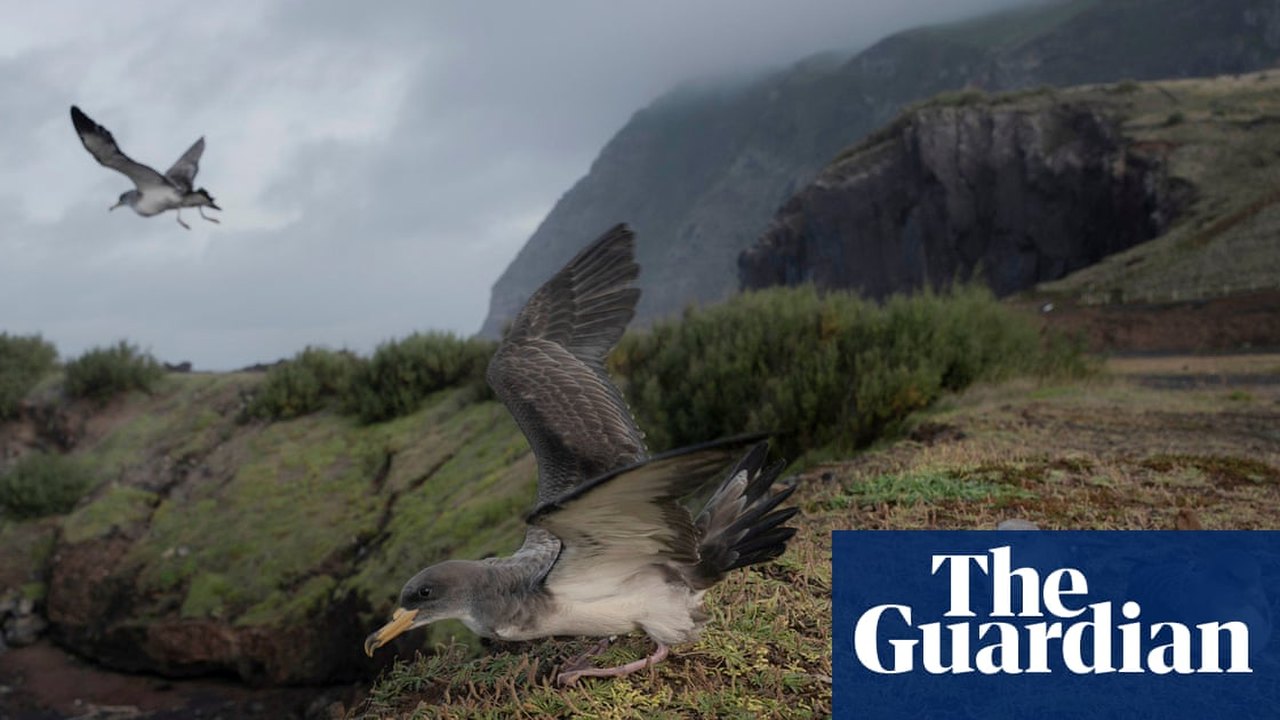
Image: www.theguardian.com — Creative Commons
Protecting Fledgling Cory's Shearwaters
Every autumn, the approximately 450 residents of Corvo Island in the Azores archipelago turn off public lighting for five nights. The annual blackout is designed to protect fledgling Cory's shearwaters, an Atlantic Ocean seabird, as the young birds attempt their first flights toward the ocean guided by the stars.
According to documented accounts, the initiative originated from community observations in 1991, when local residents noticed significant mortality rates among young shearwaters. Juvenile birds spend three months in their nests before making their maiden flight to the sea, using natural starlight for orientation. However, the artificial glow of streetlights in Vila do Corvo, the island's only village, has historically caused fatal disorientation, leading many birds to crash into narrow streets.
Community Action and Regional Campaigns
In response to the strandings, local inhabitants began conducting nighttime rescues in the dark. This grassroots effort expanded in 1995 when the Azorean government launched the "SOS Cagarro" campaign, eventually extending conservation efforts to all nine islands in the archipelago. The Portuguese Society for the Study of Birds (SPEA) subsequently joined the initiative, providing structural support such as marine biologists monitoring nests, forest rangers on the frontline, and volunteers capturing and assisting disoriented birds.
Corvo remains the only island in the archipelago that performs a full blackout of public illumination during this critical period. While residents are not mandated to turn off private household lights, many choose to do so voluntarily. Volunteers and conservationists systematically search the village at night, placing rescued birds in cardboard boxes overnight to recover before releasing them safely from ocean-facing cliffs the following day.
Practical Implications and Verification
Conservation data indicates that more than 30,000 Cory's shearwater fledglings have been rescued across the Azores since 2015, with approximately 6,000 of those rescues occurring on Corvo. Beyond the direct rescue numbers, the initiative highlights the measurable impact of reducing artificial light pollution on local biodiversity and urban-wildlife coexistence.
What is Confirmed vs. Unknown
- Confirmed: Corvo enacts a five-night autumn public lighting blackout; the practice began following community observations in 1991; SPEA and local volunteers actively rescue and release disoriented fledglings; thousands of birds have been saved under regional campaigns.
- Unknown: Exact annual survival rates of released birds beyond immediate post-rescue monitoring remain outside the scope of the available summary data.
Readers can verify the original reporting, photographs, and ongoing environmental updates directly through the [The Guardian](https://www.theguardian.com/environment/2026/oct/25/corvo-azores-corys-shearwaters-switch-off-saving-seabirds-aoe).
AI-assisted reporting; source claims are attributed and have not been independently verified.
More to read
 Finnish Police Launch Criminal Investigation Into Google Over Forest Clearing for Datacentre
 UK Heat Pump Installers Voice Concern Over Anticipated Subsidy Reductions Ahead of Budget
 Four Corners Region Braces for More Storms After Days of Devastating Flooding
 UK Grants Jackdaw Gasfield Drilling Amid Climate Concerns, While Rosebank Oilfield Faces Potential Rejection
Trending on GlobeWire Daily
Selected from recent coverage and related topics; not live search rankings.
 Fintech Firm FatakPay Announces Search for Compliance Manager in Mumbai
 Exploring Private Sector Job Listings in India: Recent Openings and Roles
 Assam Announces VFA Recruitment 2026 for 200 Veterinary Field Assistant Posts: What You Need to Know
 Archival Review Highlights Past Samsung Announcements in India from June 2016
 India’s Record Asian Para Games Finish and New Rail Infrastructure Highlight Key October 24 Developments
 Yeastar Announces Yeahs Awards 2026 Winners Highlighting AI and Partner Innovations