Evaluating the 2026 Electric Vehicle Landscape: Testing Methodology Explained
· GlobeWire Daily Editorial Desk · Source: www.caranddriver.com
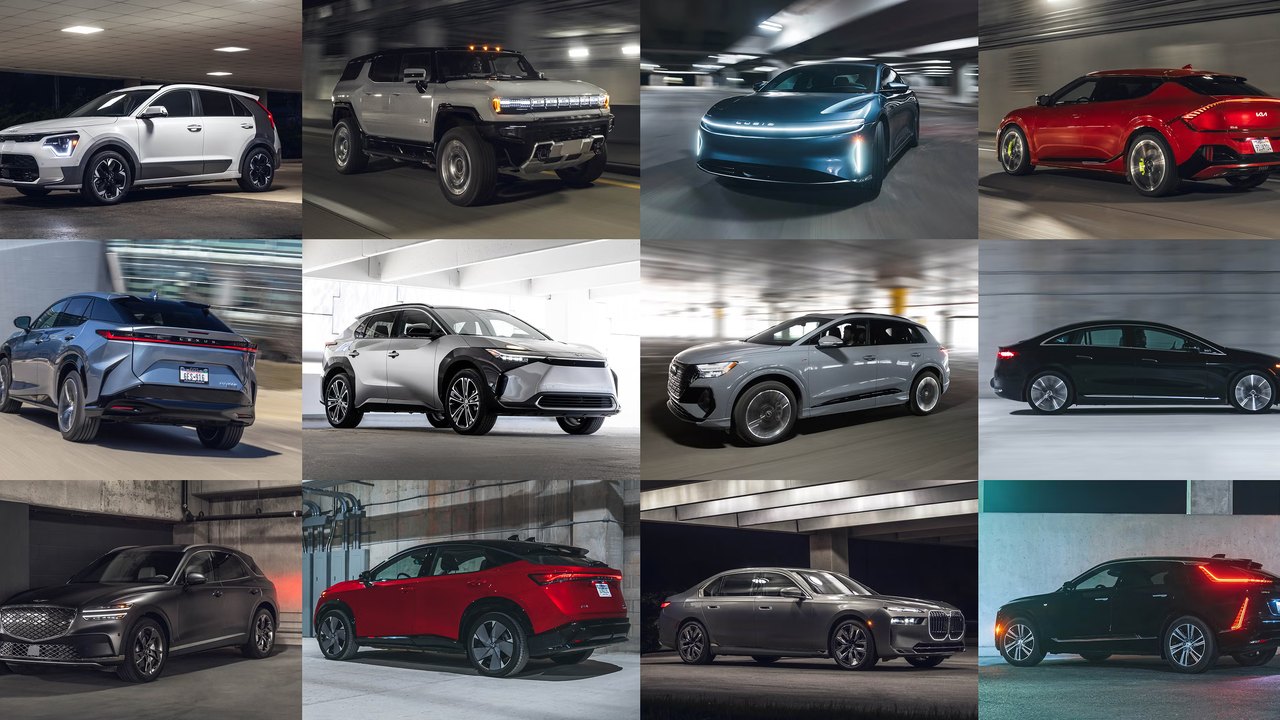
Image: Car and Driver · Source image rights not independently verified · Photo source · Cropped to 16:9; original source image
Assessing the Electric Shift
As the automotive market transitions toward electrification, consumers are faced with a growing number of choices for the 2026 model year. Industry analysts emphasize that selecting an electric vehicle (EV) now involves more than just evaluating range; it requires a deep dive into comprehensive performance metrics and build quality.
Data-Driven Testing Processes
Recent assessments published by Car and Driver highlight the shift toward rigorous, data-centric vehicle evaluations. According to their methodology, modern automotive reviews are increasingly moving away from subjective impressions toward objective, measurable data. Testing efforts for the current cycle include:
- Performance Metrics: Measuring acceleration, top speed, and braking capabilities.
- Handling and Grip: Evaluating vehicle dynamics through controlled skidpad testing.
- Operational Efficiency: Analyzing how different drive systems perform under varied conditions.
Understanding the Testing Framework
Dave VanderWerp, who oversees vehicle-testing efforts at Car and Driver, notes that their evaluation process involves capturing more than 200 distinct data points for every vehicle tested. This approach aims to provide a holistic view of a vehicle's character, moving beyond simple battery specifications to consider the actual driving experience and daily usability.
Practical Implications for Buyers
When navigating the 2026 EV market, experts suggest that prospective buyers should:
- Review Objective Data: Look for verified performance testing rather than manufacturer-provided estimates alone.
- Evaluate Versatility: Consider how features like towing capacity, storage configurations, and charging speeds align with personal requirements.
- Cross-Reference Reviews: Verify findings by comparing standardized test results across different professional testing organizations.
While manufacturers continue to roll out new models like the 2026 Rivian R1T and updated iterations of various sedans and hatchbacks, the ability to rely on consistent testing data remains a critical tool for consumers. By focusing on verified results, buyers can better align their purchases with their expectations for efficiency, performance, and long-term reliability.
AI-assisted reporting; source claims are attributed and have not been independently verified.
More to read
 Volkswagen Pivots to Circular Economy with Zwickau EV Dismantling Initiative
 Navigating India's Expanding EV Charging Infrastructure
 Navigating the Electric Vehicle Market: Essential Considerations for Prospective Buyers
 BYD Previews New Yangwang Altior Luxury Sedan With Distinctive Design Features
Trending on GlobeWire Daily
Selected from recent coverage and related topics; not live search rankings.
 From Hyrule to Horror: Zelda Characters with Spine-Chilling Potential
 Pakistan Secures Tri-Series Title With Historic ODI Chase
 From Bristol Roots to Prime Time: The Rise of Maya Jama
 Ayesha Curry Faces Public Scrutiny Following Trailer Release for 'Second Chance Holiday'
 Box Office Update: 'You Can See Everything' and 'Clayface' Battle for Top Spot Over Sluggish Halloween Weekend
 Evacuees from Russian-occupied Oleshky reunited with families in Chernihiv