UK Government Expected to Dilute Electric Vehicle Targets Amid Industry Pressure
· GlobeWire Daily Editorial Desk · Source: www.theguardian.com

Image: the Guardian · Photo source · Resized and letterboxed to 16:9; no AI generation
The Shift in EV Policy
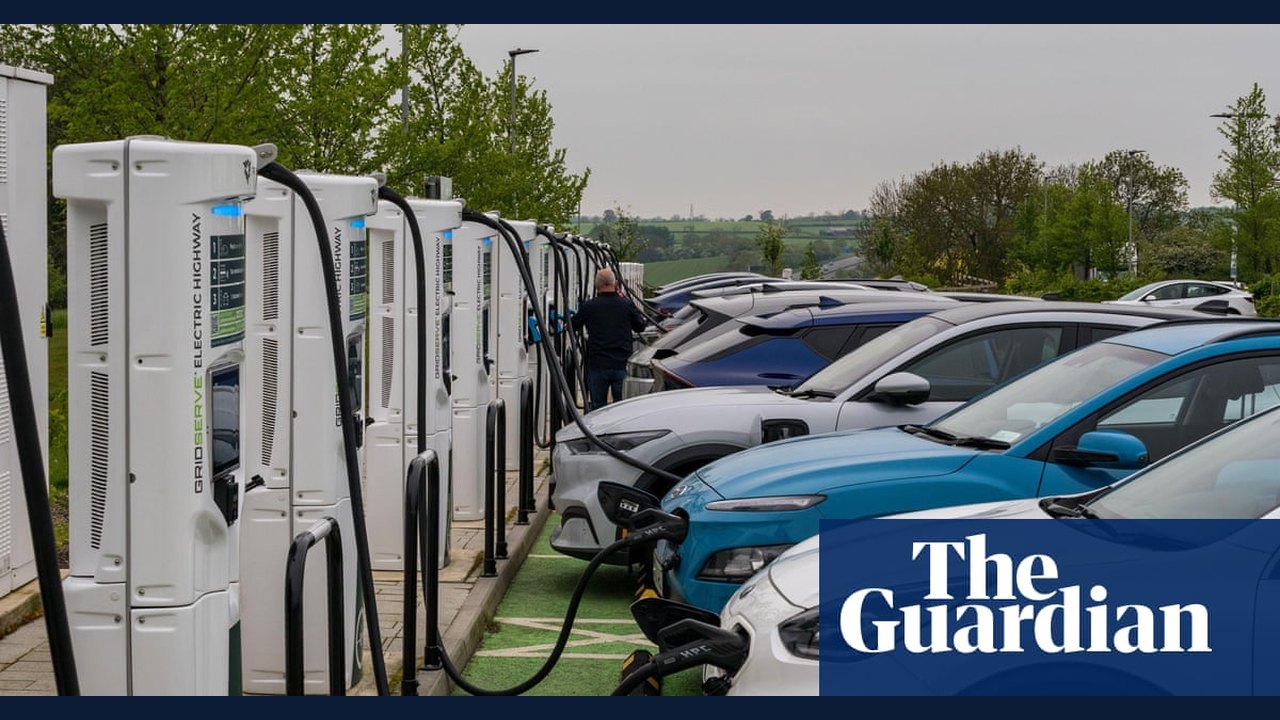
As the COP31 global climate summit commences, the UK government is reportedly preparing to weaken its transition targets for electric vehicles (EVs). Current expectations suggest that the requirement for zero-emission cars—originally set to reach 80% of new sales by 2030—may be reduced to approximately 60%.
Factors Behind the Delay
- Industry Lobbying: Reports indicate that car manufacturers have pushed for reduced targets, citing a lack of preparedness despite having had notice since 2023 to adjust production protocols.
- Extension of Flexibilities: The government is expected to extend "flexibility" loopholes until 2034, which allow manufacturers to continue selling hybrid petrol-electric vehicles instead of transitioning fully to zero-emission models.
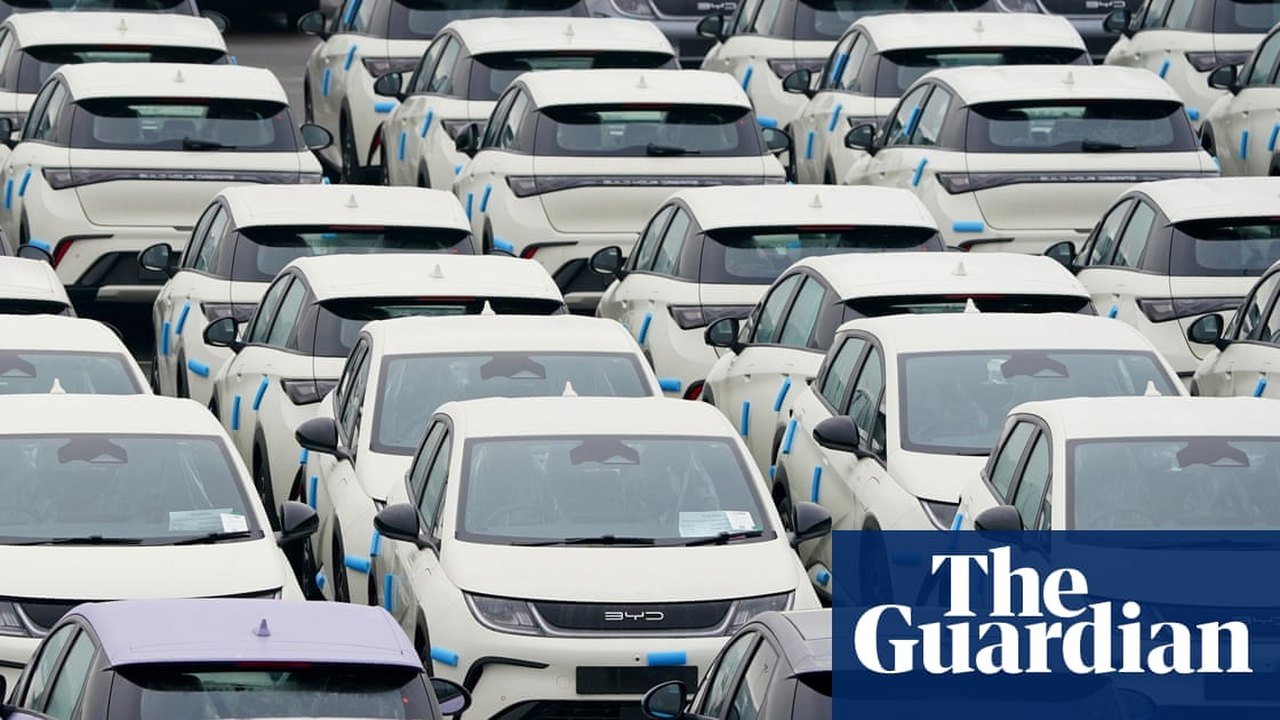
- Global Competition: International competitors, particularly Chinese manufacturers, have developed affordable, high-efficiency electric models that outperform many Western counterparts in both price and charging technology.
Implications
Critics argue that these concessions prioritize the short-term financial interests of the automotive industry over long-term environmental goals, including energy security and the reduction of greenhouse gas emissions. While manufacturers contend that the market is not ready for a rapid transition, observers point to successful launches of small, affordable EVs by global competitors as evidence that demand exists where supply is properly managed.
How to Verify
Official government policy announcements regarding the 2030 zero-emission vehicle mandate can be verified through the Department for Transport or the official UK Government website for policy statements.
AI-assisted reporting; source claims are attributed and have not been independently verified.
More to read
 Weakening UK Electric Vehicle Targets Would Harm Car Industry, Ministers Warned
 UK Government Weighs Scaling Back 2030 Electric Vehicle Targets
 Recent Developments and Market Trends in the Global Electric Vehicle Industry
 Looking Back at Kia's First Electric Vehicle Built 40 Years Ago