Did France’s School Smartphone Ban Trigger Student Protests?
· GlobeWire Daily Editorial Desk · Source: www.theguardian.com

Image: the Guardian · Photo source · Resized and letterboxed to 16:9; no AI generation
The Context of the Ban
In July 2024, the French government enacted legislation to restrict smartphone usage in lycées (high schools), aiming to curb the negative impacts of excessive screen time—including shortened attention spans and sedentary lifestyles—identified by a government-appointed panel of experts. By September, students returning from summer break were required to store phones in lockers or sealed pouches during school hours.
The Teacher Perspective
Educators report a distinct shift in school environments following the ban. Teachers note that pupils have become more "lively" and "engaging" in person compared to previous years, when breaktimes were characterized by silent, screen-absorbed students. Some observers, such as teacher Mara Goyet, suggest that disconnecting students from their digital "matrix" forced them to confront the deteriorating state of their school infrastructure, potentially contributing to the scale of recent unrest.
Student Uprisings and Demands
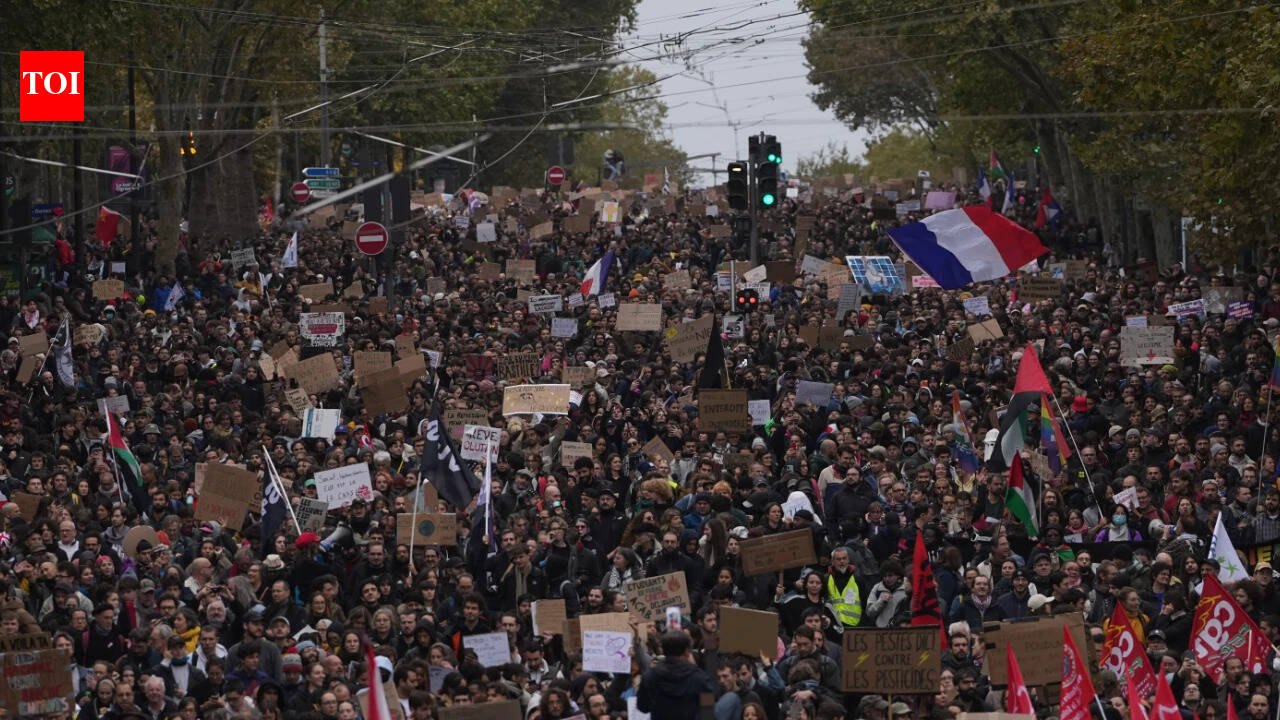
In October, hundreds of thousands of students participated in mass protests across France. While the phone ban has been a point of friction, with some students labeling it "infantilizing," government data suggests it is not the primary driver of the movement:
- Infrastructure: 48.2% of students cite poor school conditions, such as extreme temperatures, as a core concern.
- Workload: 70% of respondents to a government-run feedback platform feel school days are too long.
- Phone Ban: Only 9% of participating students explicitly demanded the overturning of the phone policy.
An Unintended Consequence?
Sociologists continue to analyze whether the forced digital detox facilitated the direct social interaction necessary to organize such large-scale protests. While students still use social media to coordinate and livestream their actions, the movement reflects broader grievances regarding social mobility and the public school system's effectiveness. The protests underscore a shift from passive digital spectatorship to active political participation.
AI-assisted reporting; source claims are attributed and have not been independently verified.
More to read
 France Announces Overhaul of University Admissions Platform and Boosts Education Funding Amid Student Protests
 France Pledges to Replace Parcoursup Admissions System by 2028 Amid Student Protests
 Class 8 Student Allegedly Steals Rs 4.5 Lakhs from Home and Distributes Money to School Friends
 9-Year-Old Student Dies After Being Struck by Vande Bharat Train in Prayagraj; Family Alleges School Negligence