EU Stands Firm on Digital Tax Amid US Tariff Threats from Donald Trump
· GlobeWire Daily Editorial Desk · Source: timesofindia.indiatimes.com
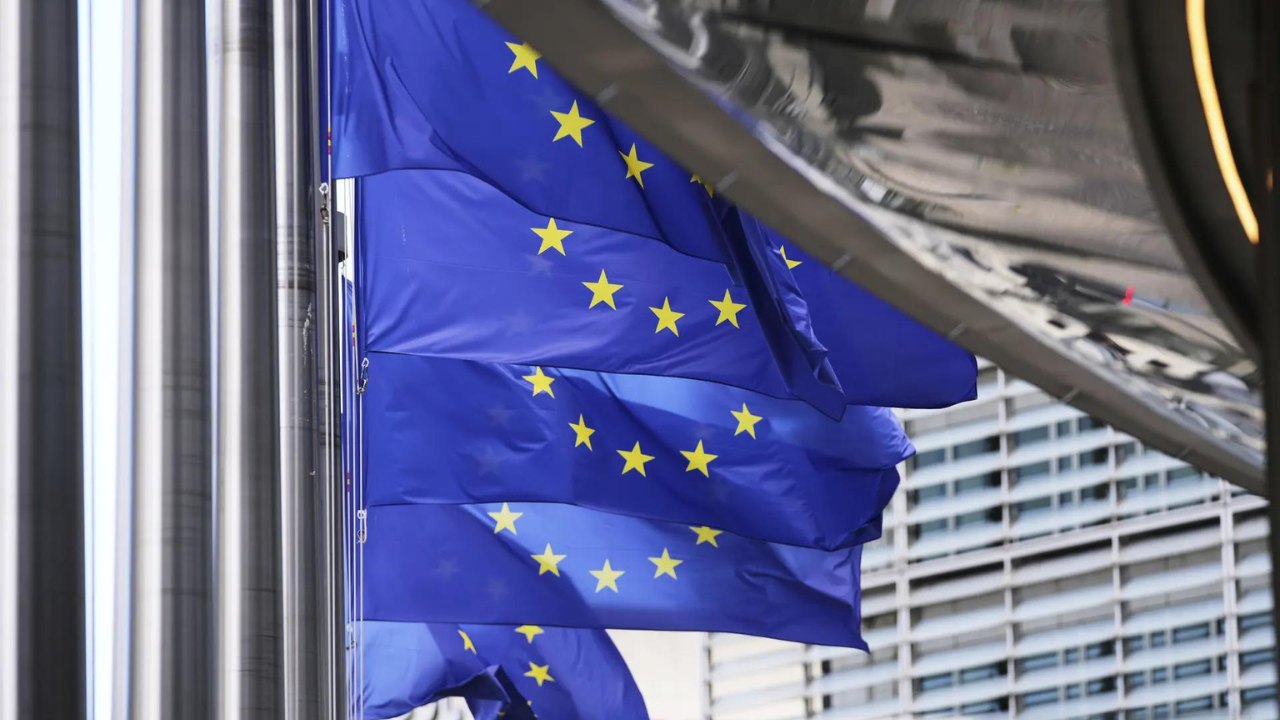
Image: The Times of India · Photo source · Resized and letterboxed to 16:9; no AI generation
The European Union has stated that European nations hold a sovereign right to regulate and tax economic activity within their borders following warnings from US President Donald Trump. According to reports, the European Commission issued the response after the Trump administration threatened economic retaliation against European countries implementing digital services taxes on major American technology companies like Apple, Google, and Meta.
European officials maintained that the tax frameworks apply to corporate size and revenue rather than nationality. Reuters quoted a European Commission spokesperson stating that the taxes are non-discriminatory by design and apply equally to large companies regardless of origin. Officials rejected claims from Washington that the policies unfairly target US firms and noted that the bloc remains open to global solutions aligned with G7 agreements while preparing to respond to unilateral measures.
Context of the Digital Services Tax Dispute
- Core Grievance: European governments argue that major technology firms generate substantial revenue from European users while paying minimal corporate taxes by channeling profits through low-tax jurisdictions.
- US Response: US President Donald Trump announced via social media that any nation implementing a digital services tax on American technology firms would face a 100% import tariff on goods sent to the United States.
- Trade Impact: Trump stated that the proposed tariffs would supersede existing trade agreements, regardless of their status.
Practical Implications and Verification
- Potential Market Effects: Escalating trade tensions could impact transatlantic commerce and consumer goods pricing.
- Verification: Stakeholders can review official announcements and policy documents directly through the European Commission website or official US trade representative statements to verify ongoing developments.
AI-assisted reporting; source claims are attributed and have not been independently verified.
More to read
 ABC News Staffers Reportedly Suspended Following Flawed Donald Trump Jr. Article Investigation
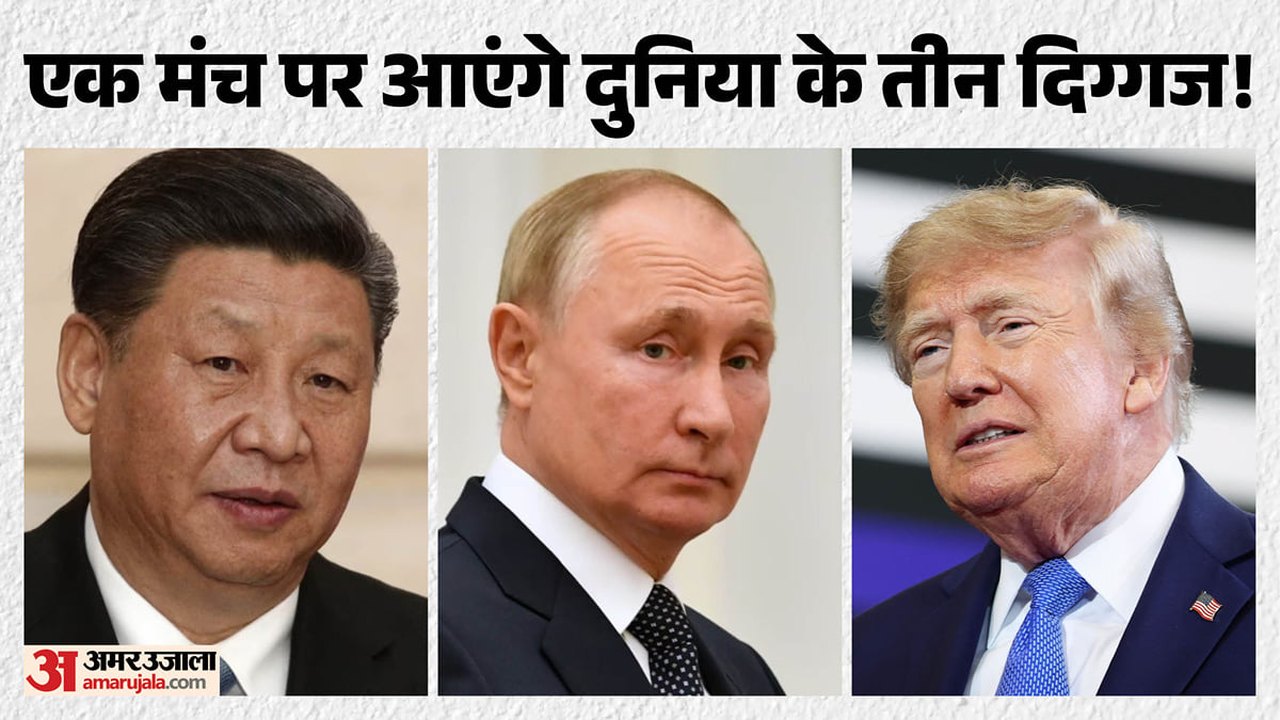 US President Donald Trump Heads to China for Planned Trilateral Meeting with Xi Jinping and Vladimir Putin
 President Trump Addresses Reports of Alleged Iranian Threats Against US
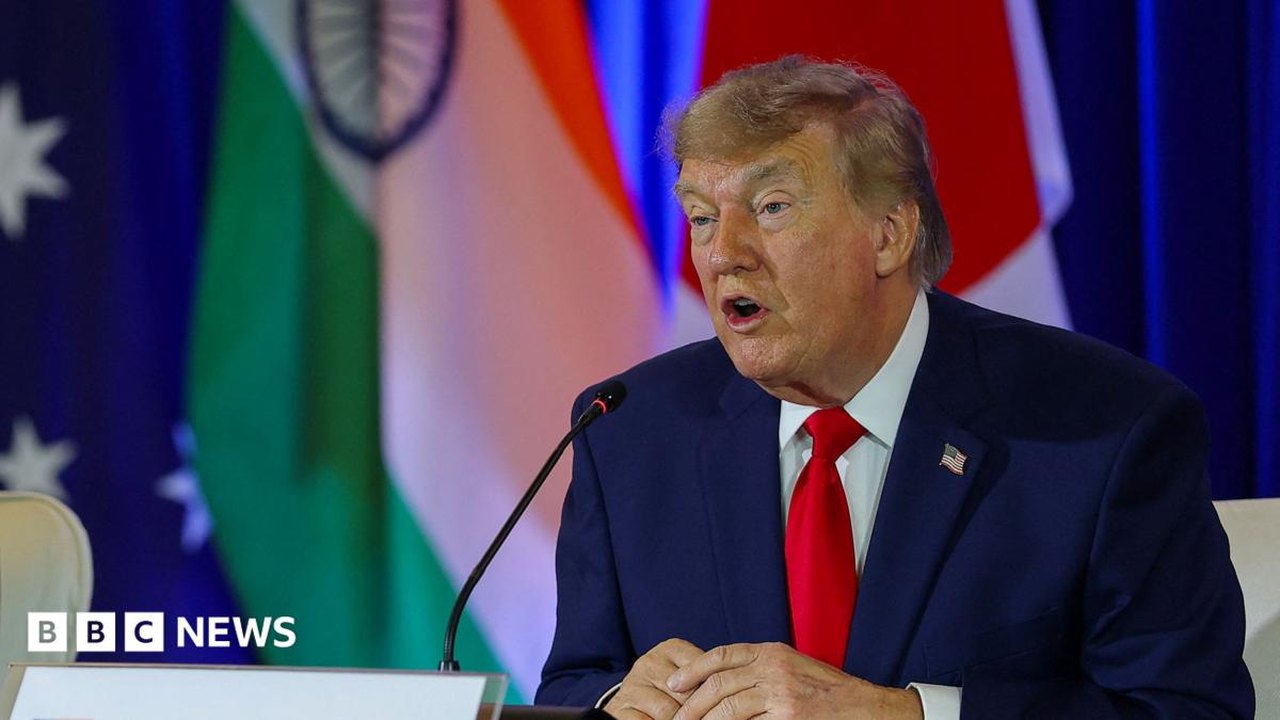
 Donald Trump Praises PM Modi as 'Tough' and 'Great Leader' During Quad Meeting