Three Months with the Samsung Galaxy Watch 9: Standout Features
· GlobeWire Daily Editorial Desk · Source: www.androidauthority.com
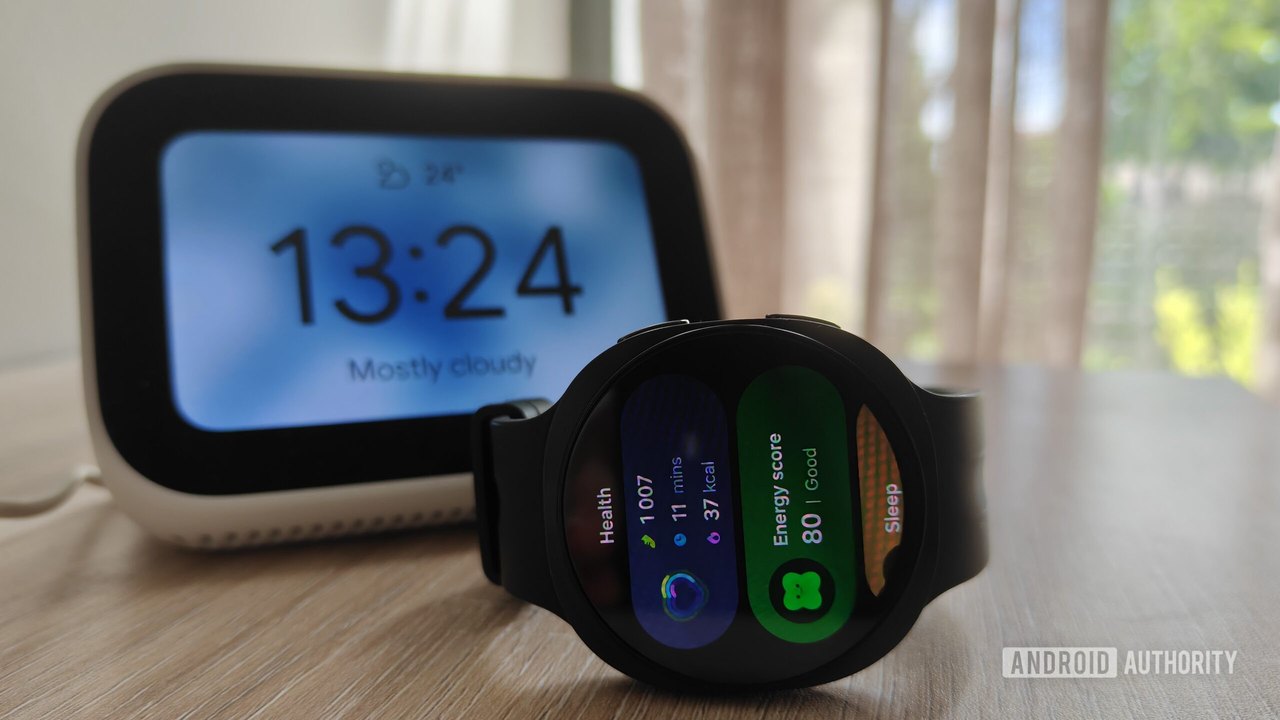
Image: Android Authority · Photo source · Resized and letterboxed to 16:9; no AI generation
After spending three months with the Samsung Galaxy Watch 9, I have evaluated its real-world performance. While the battery life did not meet my expectations—requiring charging every second day—the device offers significant improvements in health tracking capabilities.
Enhanced Sleep Tracking
The Watch 9 refines the sleep tracking foundation established by its predecessor. Key improvements include:
- More accurate identification of sleep versus wake time.
- Reduced misidentification of inactivity as naps.
- Detailed sleep scores that reflect sleep quality rather than just duration, accounting for factors like chronic pain and fragmented rest.
The Vitals Feature
The Vitals feature tracks metrics during sleep to identify deviations from your personal baseline. Monitored data includes:
- Heart rate and heart rate variability (HRV).
- Respiratory rate, skin temperature, and blood oxygen levels.
While the feature successfully flagged health disruptions during migraines and illness, the integration within the Samsung Health app could be improved. Specifically, it currently continues to push for activity goals even when vitals indicate a need for recovery.
Daily Cardio Load
This feature shifts the focus from arbitrary step counts to heart-rate-based exertion. It balances training and recovery by:
- Measuring load based on 40% of heart rate reserve.
- Categorizing activity as under, optimal, or exceeding daily targets.
- Suggesting rest when optimal loads are exceeded, which is particularly beneficial for those managing chronic conditions like fibromyalgia or migraines.
Users can verify these features through the official Samsung Health app interface on their compatible Galaxy Watch models.
AI-assisted reporting; source claims are attributed and have not been independently verified.
More to read
 World Heart Day: Monitoring Heart Health From Your Wrist With Samsung Galaxy Watch
 Why the Samsung Galaxy Watch 6 Remains a Top Budget Choice Over Newer Models
 Samsung Galaxy Watch 9 Sees Significant Price Reduction in Early Black Friday Promotion
 Samsung Releases Fifth One UI 9 Watch Beta Update for Galaxy Watch 6 Series