Mobiles & Gadgets
Which Wireless Earbud Design Delivers the Best Audio Output?
· GlobeWire Daily Editorial Desk · Source: www.engadget.com
Summary
The article examines how earbud form‑factor, tip material, fit and noise‑cancellation technology affect sound quality. It does not claim any single model is the definitive winner, but outlines practical criteria for choosing the most faithful wireless earbuds.
Key Design Factors
- In‑ear (in‑canal) vs. open‑ear – In‑ear buds provide passive isolation, higher perceived volume and stronger bass because the driver sits inside the ear canal.
- Eartip material – Foam or silicone tips improve passive isolation and bass response. Foam generally sounds best but is harder to clean for workouts.
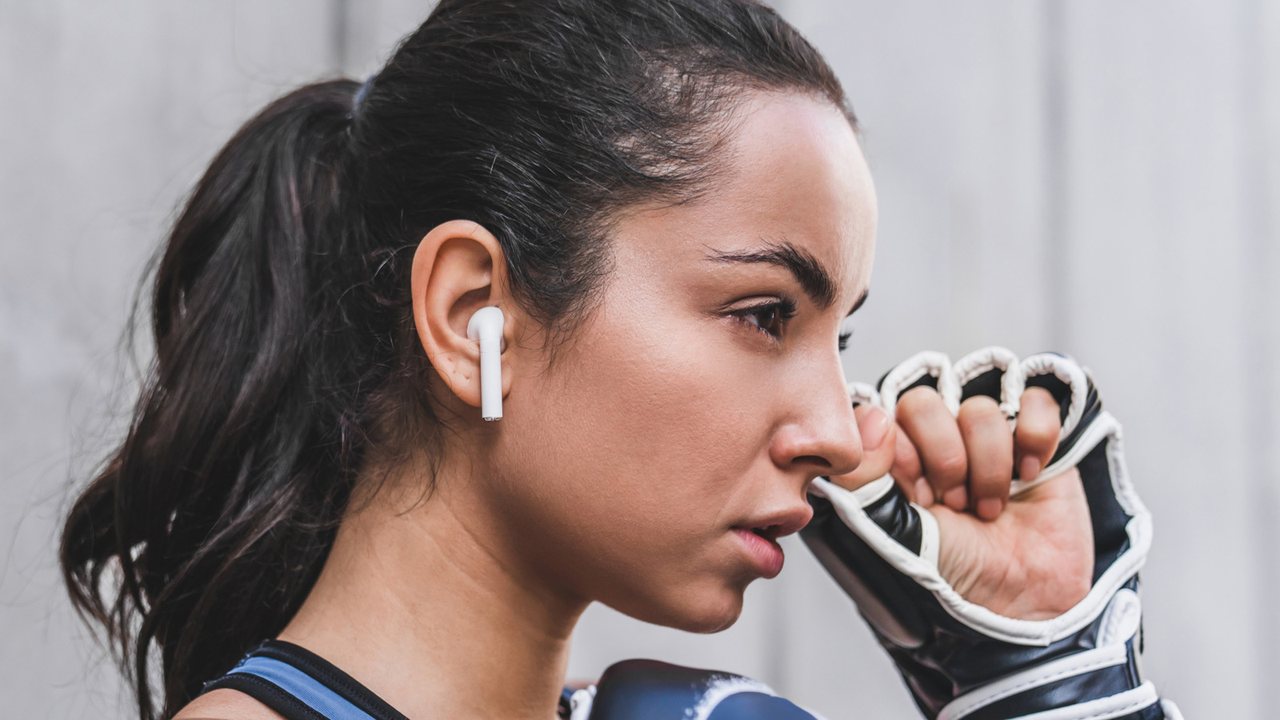
- Fit security – A snug, non‑painful seal prevents sound leakage. Some users prefer buds with an external clip for vigorous activity.
- Active Noise Cancellation (ANC) – ANC adds “anti‑noise” to further reduce external sounds, helping you hear subtle details and reducing distractions on planes, trains or busy offices.
When to Sacrifice Fidelity
- Open‑ear or bone‑conduction models are chosen for situational awareness (running, cycling) or niche environments (underwater). They trade bass and isolation for safety and comfort.
- Transparency modes on many ANC earbuds (e.g., AirPods) let ambient sound in, but they cannot fully replace the natural awareness of open‑ear designs.
Practical Buying Tips
- Start with an in‑ear design if audio fidelity is your priority.
- Test tip fit – ensure a tight seal; consider third‑party foam tips if the stock ones feel loose.
- Check ANC performance – look for independent lab measurements or reputable reviews.
- Consider activity – if you need to sweat‑proof or clip‑on buds, choose models with secure locking mechanisms.
- Verify claims – compare manufacturer specs with real‑world tests on platforms like RTINGS.com or YouTube review channels.
How to Verify the Original Guidance
- Look for the original Engadget article (URL provided) and cross‑reference the quoted points with other tech sites.
- Use acoustic measurement tools (e.g., REW, Audacity) to confirm frequency response claims.
- Read user forums for long‑term durability feedback, especially regarding foam tip hygiene.
--- *The information reflects the source’s analysis and does not constitute a product endorsement.*
Share this article
Read the original source This is the best type of wireless earbuds for audio output