How Rockstar Solved the Impossible Mission of GTA 5's Seamless Character Switching
· GlobeWire Daily Gaming Desk · Source: www.ign.com
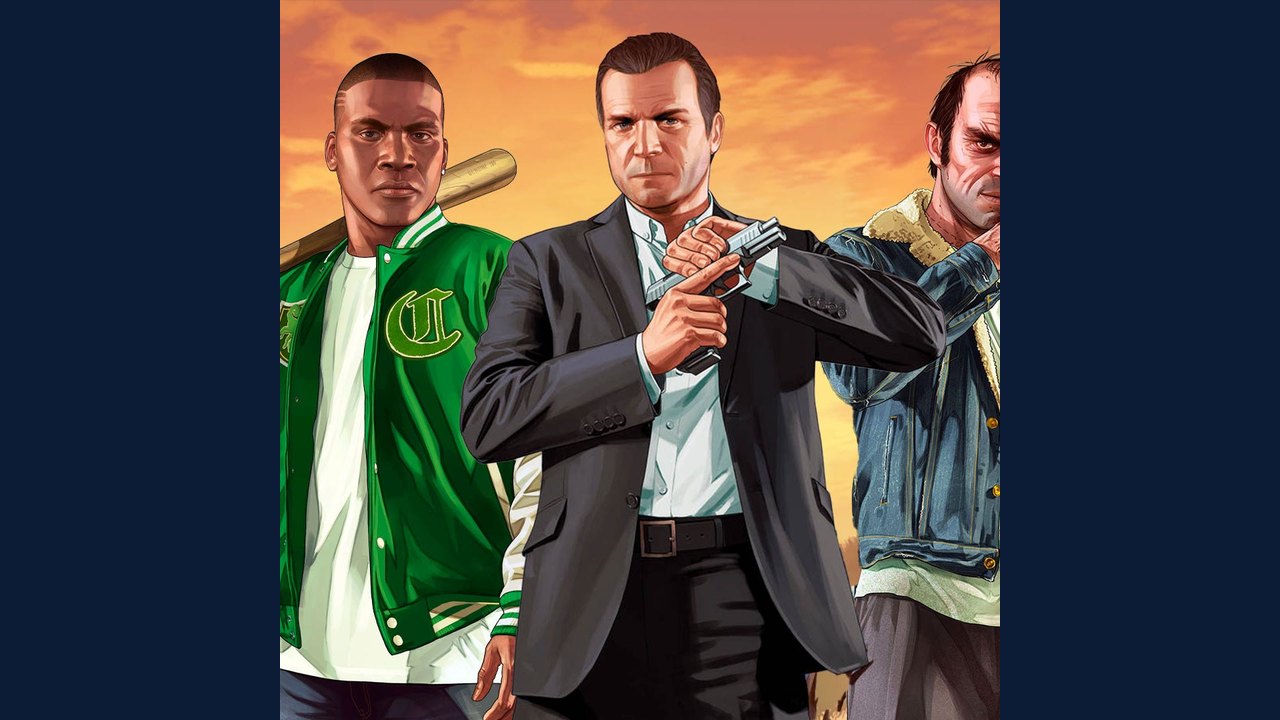
Image: IGN · Photo source · Resized and letterboxed to 16:9; no AI generation
Grand Theft Auto 5 introduced a defining mechanic to the open-world franchise: the ability to seamlessly switch control between three distinct protagonists—Franklin, Trevor, and Michael. While open-world exploration used a satellite-view camera transition to mask loading screens, in-mission switches presented a massive technical challenge for developers on the PlayStation 3 and Xbox 360.
Former Rockstar Toronto technical designer Matt Freedman, who spent roughly two years developing the system, explained that mid-mission switches required moving across different sides of the map without relying on the satellite loading screen. The goal was to achieve NVMe-speed world transitions akin to modern SSD technology on older seventh-generation hardware.
Overcoming Technical Hurdles on Older Hardware
To achieve this, Freedman utilized clever camera tricks, gradual level-of-detail (LOD) adjustments, and smart depth-of-field effects. Distant traffic was simplified into single light sources, and far-off buildings became flat and undefined.
- Camera Interpolation: Managing complex vehicle movements, such as a helicopter flown by the player during the mission "Three's Company," required custom tech to prevent disorienting camera flips during arbitrary rotations.
- Leadership Mandates: Despite the technical limitations, leadership insisted that players must see the city skyline during transitions, pushing the streaming engine to its absolute limits.
Practical Implications and Verification
Character switching became one of the most celebrated features in GTA 5, heavily praised in critical reviews upon release. As trailers indicate that character switching will return for Jason and Lucia in GTA 6, understanding the historical engineering behind the feature highlights the technical ambition required for open-world design.
Readers interested in verifying original developer accounts and feature details can review interviews published by gaming outlets like IGN, or follow official announcements and trailers directly from Rockstar Games.
AI-assisted reporting; source claims are attributed and have not been independently verified.
More to read
 GTA 6 Actor Lexie Shoaibi Speaks Out as Character Mandy Goes Viral
 GTA 6 Allegedly Features Collateral-Inspired Mission Reference
 Examining Nudity and Character Customization Details in GTA 6
 GTA 6 Omits Prostitute Interaction Feature for Narrative Reasons, Rockstar Explains