Reflecting on the Legacy of the Nintendo Wii
· GlobeWire Daily Gaming Desk · Source: www.ign.com
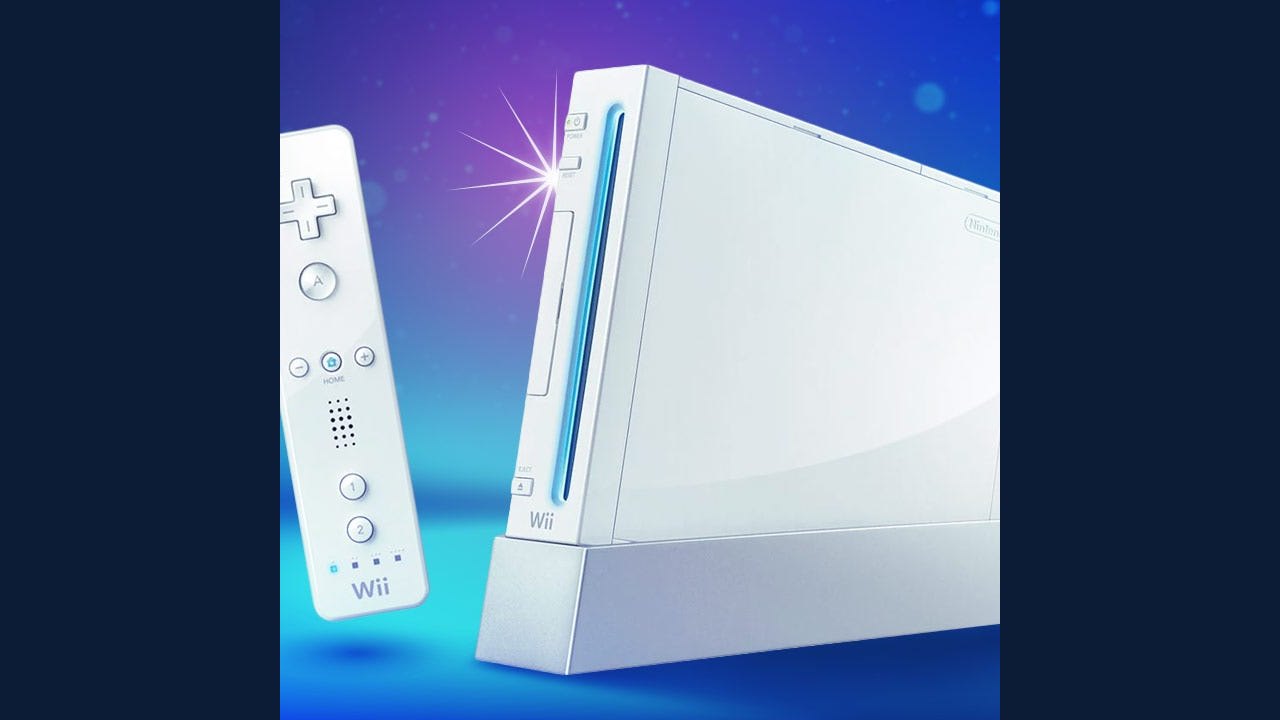
Image: IGN · Photo source · Resized and letterboxed to 16:9; no AI generation
An opinion piece published by IGN explores the lasting impact of the Nintendo Wii, examining how the console reshaped the company's strategy and the broader video game industry.
Shifting Away from the Console Wars
Following the commercial struggles of the GameCube and the dominance of Sony's PlayStation alongside Microsoft's Xbox, Nintendo opted to step away from the traditional hardware race. Rather than competing directly on raw graphical power and high-definition capabilities, the Wii introduced intuitive motion controls and a distinct cartoony aesthetic that appealed to both newcomers and traditional players.
Expanding the Audience and Enduring Influence
- Broad Appeal: The console courted billions of people who had never used a traditional controller before.
- Affordability: By utilizing standard-definition capabilities and less costly hardware, Nintendo maintained lower retail prices compared to its competitors.
- Strategic Foundation: The success of the Wii laid the groundwork for subsequent hardware like the Switch.
Drawbacks and Lessons Learned
Despite its massive sales, the Wii faced challenges, including limited third-party support due to its lower-powered GPU and an influx of low-quality party titles. Subsequent missteps with the Wii U further demonstrated the delicate balance required between casual appeal and core gamer satisfaction, a lesson that informed later hardware iterations.
Readers can review the original opinion piece on IGN to explore the complete analysis by writer Ryan Gaur.
AI-assisted reporting; source claims are attributed and have not been independently verified.
More to read
 Reflecting on the Early Career and Legacy of the Late Patrick Stewart Through Vintage Photos
 Reflecting on Sean Connery's Life and Legacy, Years After His Passing
 Opinion: Ocarina of Time Remake Highlights Nintendo's Family-Friendly Focus
 Nintendo Faces Rare Review Bombing Over Pikmin 4 Switch 2 Upgrade