A Geographic and Cultural Overview of India
· GlobeWire Daily Public Services Desk · Source: kids.nationalgeographic.com
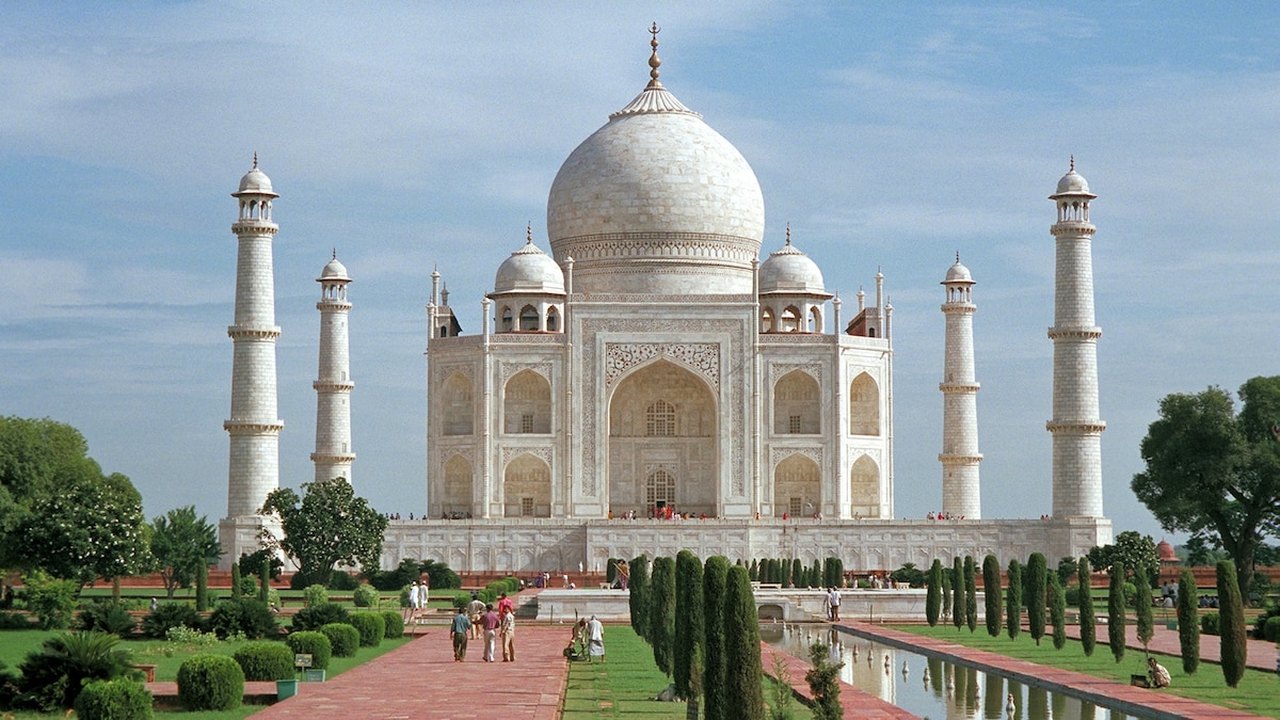
Image: Geography · Photo source · Resized and letterboxed to 16:9; no AI generation
Geography and Terrain
India is situated on the Asian continent, featuring a peninsula bordered by the Arabian Sea to the southwest and the Bay of Bengal to the southeast. The northern landscape is dominated by the Himalaya mountain range, which contributes to the formation of the Ganges Plain through river-deposited silt that reaches depths exceeding 25,000 feet. The country hosts diverse climates, supporting over 65,000 animal species and 12,000 flowering plant varieties.
Wildlife and Biodiversity
India is known for being the only nation home to both lions and tigers. Key ecological zones include:
- The Sundarbans: Located on the Bay of Bengal coast, this is the world's largest mangrove forest.
- The Himalaya: A habitat for rare species such as the snow leopard and the one-horned rhinoceros.
Conservation remains a challenge, as areas like the Sundarbans face threats from rising sea levels and illegal human activity.
Social Structure and Religion
Indian society has historically been organized by a caste system determined at birth. Religiously, India is diverse; while there is no official state religion, the majority of the population identifies as Hindu, with significant Muslim, Buddhist, Sikh, and Jain communities. Respect for animal life is a core cultural value, with cows considered sacred.
Governance and Economy
Following independence in 1947, India adopted a parliamentary government structure. The political landscape has evolved from single-party dominance to a multi-party system. Economically, India is experiencing rapid growth, positioning itself as a significant emerging global market driven by a workforce that balances traditional sectors with a growing number of highly trained professionals.
AI-assisted reporting; source claims are attributed and have not been independently verified.
More to read
 Historical and Cultural Overview of Haryana: A Gateway to North India
 October 30, 2026: Morning Digest on Political, Legal, and Cultural Developments in India
 Recent Job Listings Overview Across Gaming and Hospitality Sectors in India
 Professional Overview of Open Positions in Merchant Partnerships and Query Themes Across India