Delhi to Install First‑Aid Medical Rooms in All 1,086 Government Schools, Spending ₹48.87 crore annually
· GlobeWire Daily Public Services Desk · Source: navbharattimes.indiatimes.com
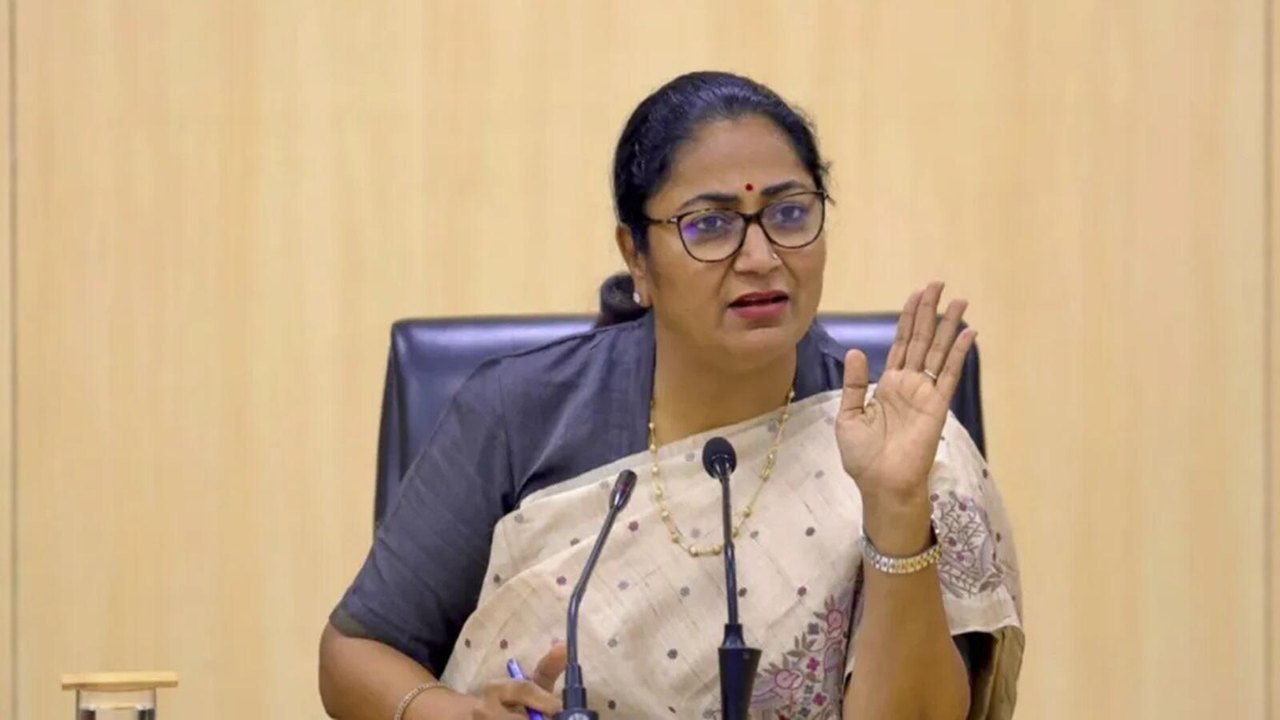
Image: navbharattimes.indiatimes.com — Creative Commons
Overview
The Delhi government announced a new health‑safety initiative that will place a basic medical room in every one of the city’s 1,086 government schools. A trained health worker – either an Auxiliary Nurse‑Midwife (ANM) or a multi‑purpose health worker – will be stationed at each school to provide immediate first‑aid care for minor injuries, sudden illness, dehydration, and other routine health concerns that arise during school hours.
Scheme Details
- Scope: All government‑run schools under the Directorate of Education, covering primary, middle and senior secondary levels.
- Staffing: One trained health worker per school, responsible for wound dressing, administering oral rehydration solution (ORS), and offering a place for students to rest if needed.
- Facilities: A dedicated room where students can receive basic care. Where a separate room is unavailable, the plan calls for the use of alternative spaces or portable cabins.
- Exclusions: The medical rooms will not provide diagnostic services, prescription medicines, or doctor‑consulted treatment; they are limited to primary, on‑site first‑aid.
- Gender‑sensitive Provision: A private, secure area will be set up for female students to manage menstrual hygiene comfortably.
- Funding: The programme is budgeted at ₹48.87 crore per year.
- Policy Alignment: The initiative is presented as an implementation of the National Education Policy (NEP) 2020, which emphasizes safe, inclusive school environments.
Implementation Plan
The rollout will be phased:
- Phase 1 – Schools with existing spare rooms will have a medical room installed first.
- Phase 2 – Remaining schools will receive the service through repurposed spaces or portable cabins (often referred to as “pota cabins”).
The exact timetable for each phase was not disclosed in the announcement.
Expected Benefits
- Immediate Care: Students who suffer cuts, bruises, fainting spells, or dehydration can receive prompt treatment without leaving campus.
- Reduced Absenteeism: Quick on‑site care may limit the need for parents to take children home for minor ailments, helping maintain attendance.
- Parental Confidence: Parents gain assurance that schools are equipped to handle health emergencies, aligning with the Education Minister’s statement that every child deserves a “safe and caring environment.”
- Support for Adolescent Health: The presence of a health worker also opens the door for counseling on puberty‑related issues, especially for girls during menstruation.
Open Questions and Uncertainties
| Aspect | What is confirmed | What remains unclear | |--------|-------------------|----------------------| | Start date | The scheme has been approved and budgeting is set. | Exact launch dates for each phase are not provided. | | Recruitment | Each school will have an ANM or multi‑purpose health worker. | Whether existing staff will be redeployed or new hires will be made, and the recruitment timeline, are not specified. | | Monitoring & Evaluation | The programme is under the Directorate of Education. | Details on performance metrics, reporting mechanisms, or third‑party audits have not been released. | | Infrastructure readiness | Portable cabins are mentioned as an option. | The criteria for selecting schools for each type of facility and the logistics of cabin deployment are not outlined. |
Practical Implications for Students, Parents and Schools
- Students will have a designated space to receive basic care, potentially reducing the severity of minor injuries.
- Parents can expect that schools will handle routine health incidents, which may influence school choice for families prioritising safety.
- School administrators will need to allocate space, coordinate with health‑worker recruitment, and integrate the medical room into daily routines (e.g., maintaining supplies like bandages and ORS).
- Comparative Context: Similar first‑aid schemes exist in a few Indian states (e.g., Karnataka’s “School Health Programme”), but Delhi’s plan is notable for its city‑wide coverage and dedicated staffing budget.
How Readers Can Verify the Announcement
The information above is drawn from a report published by Navbharat Times on 30 October 2026. The article includes statements from the Delhi Education Minister and details from the Directorate of Education’s proposal. Readers can consult the original piece for the full text and any updates:
[Good news for Delhi students – medical rooms to be set up in 1,086 government schools, annual spend ₹48.87 crore – Navbharat Times](https://navbharattimes.indiatimes.com/metro/delhi/other-news/good-news-for-students-in-delhi-medical-rooms-will-be-set-up-in-1086-government-schools-with-an-annual-expenditure-of-rs-48-crore/articleshow/135200566.cms)
--- The article is based solely on the verified source and does not contain any original reporting or interviews.
AI-assisted reporting; source claims are attributed and have not been independently verified.
More to read
 TRAI Report: BSNL Outpaces Competitors in Rajasthan as Subscriber Base Grows Across Key Regions
 Gujarat Sardar Krushi Jyoti Yojana Upgrades Agricultural Power Infrastructure to Improve Farm Electricity Supply
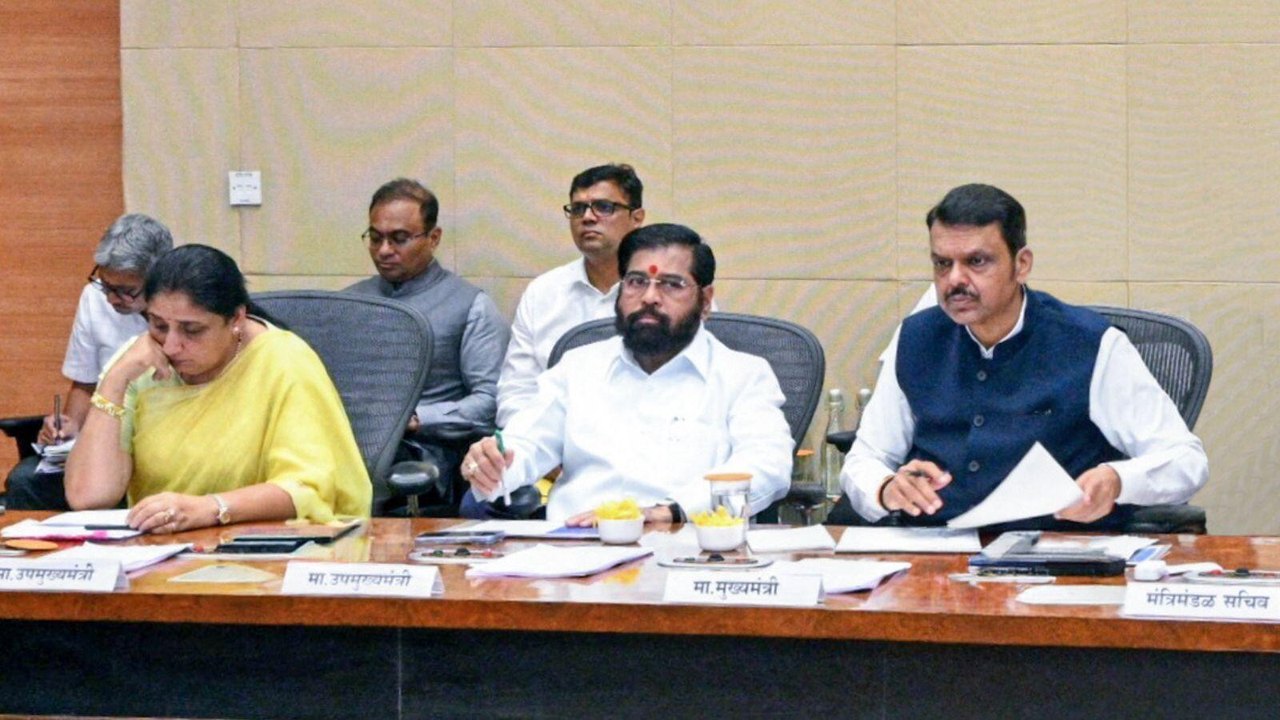 Maharashtra Government Announces ₹5,000 Financial Assistance for Drought-Affected Farmers
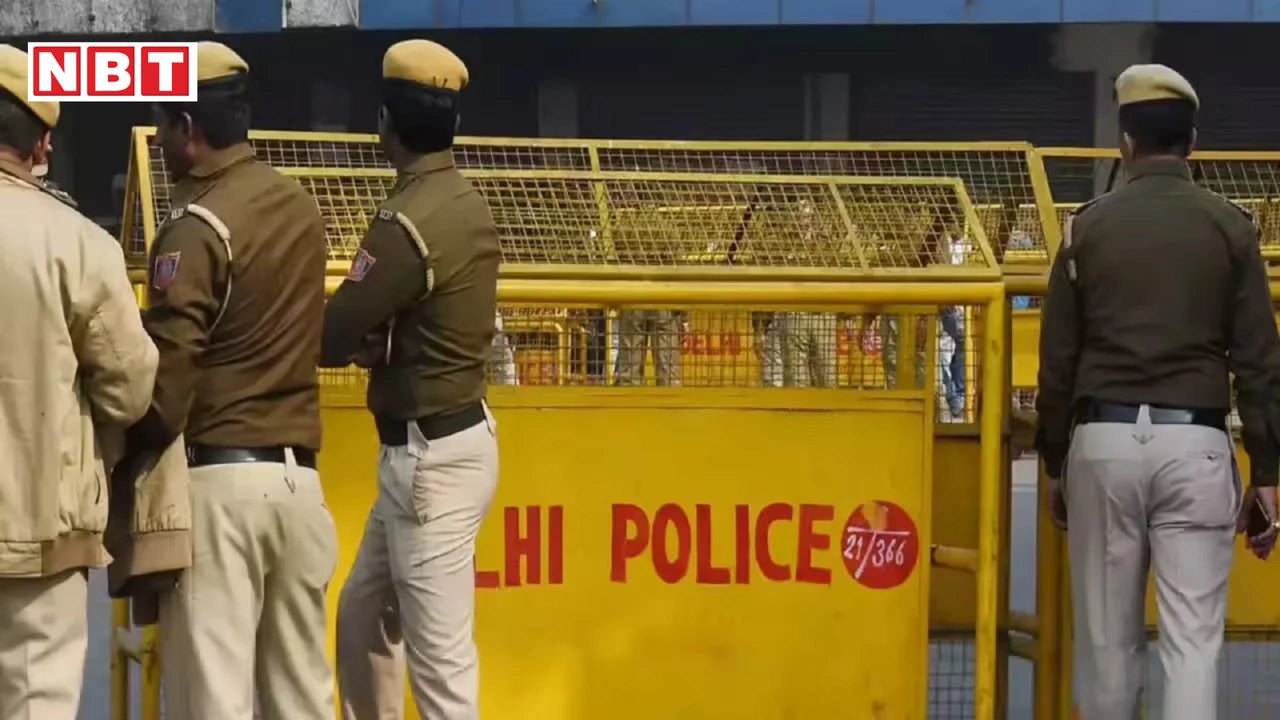 Delhi Police Special Cell Investigates Controversial Anti-Government Posters Found on Airport Express Metro Line
Trending on GlobeWire Daily
Selected from recent coverage and related topics; not live search rankings.
Maharashtra Government Announces ₹5,000 Financial Assistance for Drought-Affected FarmersDelhi Police Special Cell Investigates Controversial Anti-Government Posters Found on Airport Express Metro Line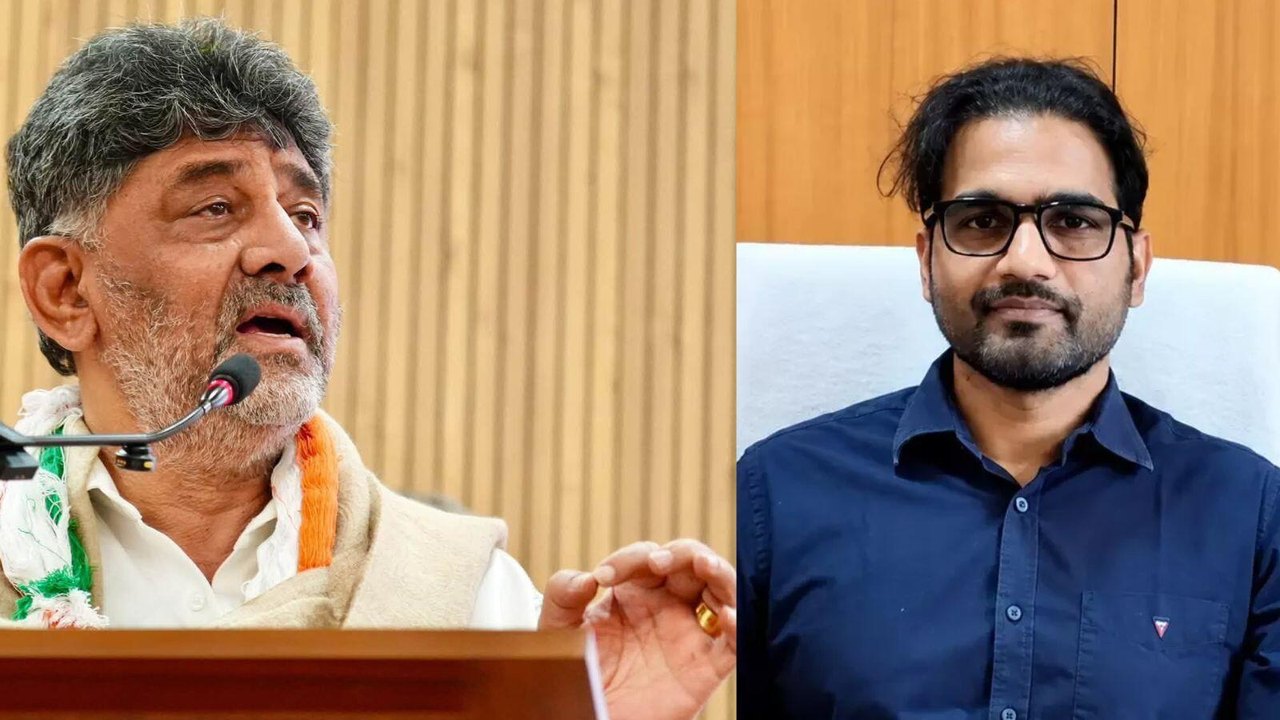 Karnataka Government Approves Prosecution of IAS Officer Gyanendra Kumar Gangwar in KPSC Paper Leak Case
 American India Foundation Seeks Chief Finance and Operating Officer for New Delhi Leadership Team
 Supreme Court Invites Applications for 20 Court Master Posts in New Delhi
 INSPIRE Scholarship for Higher Education Undergoing Redesign, Government Clarifies