DMK Leader Leoni Draws Ramayana Parallel in Political Rift Over Stalin's 'Slippers' and State Initiatives
· GlobeWire Daily Public Services Desk · Source: www.indiatoday.in
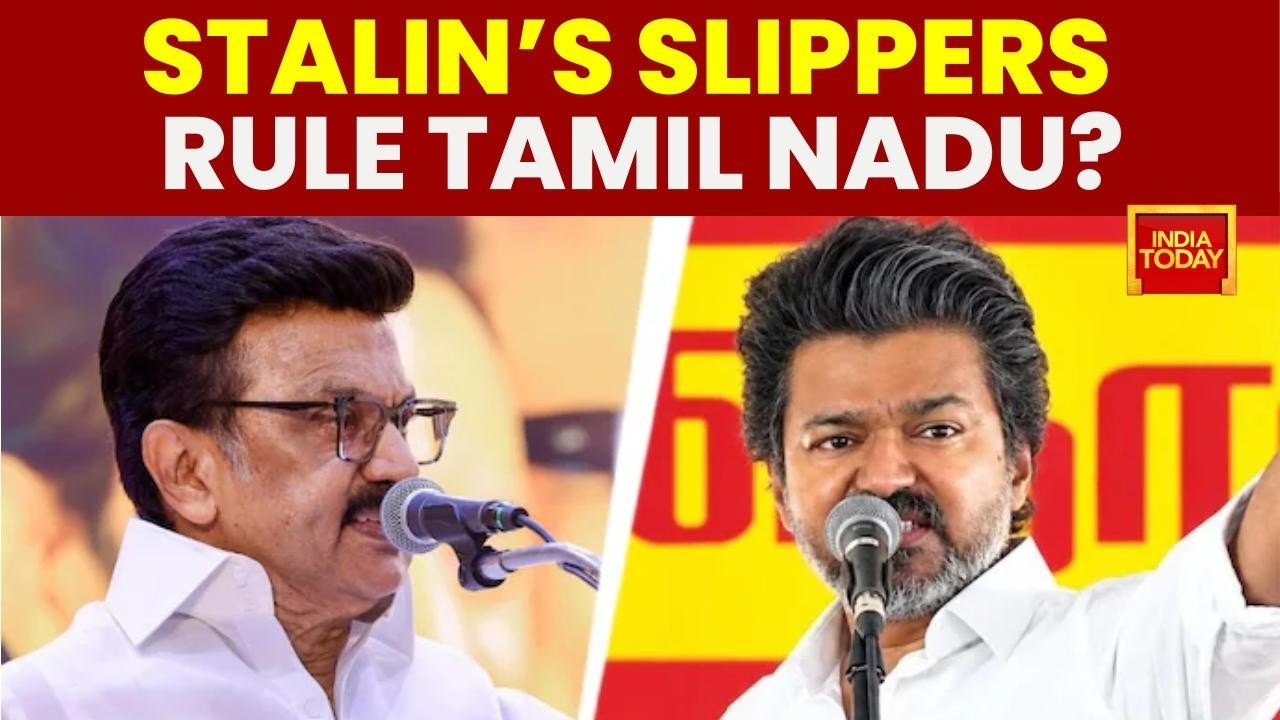
Image: www.indiatoday.in — Creative Commons
Controversial Ramayana Analogy Sparks Political Fallout in Tamil Nadu
A fresh political controversy has emerged in Tamil Nadu following remarks by DMK leader Leoni, who drew a striking parallel between Lord Ram's footwear ruling Ayodhya and claims that M.K. Stalin's slippers are currently ruling the state. The analogy, delivered during a rally addressing party workers, has sparked significant debate over the legacy of the DMK regime and the ongoing administration. Leoni's invocation of classical mythology to comment on contemporary governance illustrates how traditional narratives continue to influence modern political discourse in the region.
In his address, Leoni argued that the public continues to benefit from flagship initiatives introduced under the DMK regime, specifically highlighting the morning meal scheme, women's rights assistance, and the metro project. By framing these welfare programs as enduring benefits of the DMK era, he suggested that the current political administration—referred to as the TVK government—cannot sustain its rule indefinitely. This assertion implies that the current administration's authority is fragile, resting on temporary measures rather than deep-rooted structural changes. The mention of the TVK government suggests a specific regional or administrative context that requires further clarification to understand the full scope of the criticism.
Channel correspondent Pramod Madhav reported that this incident is not an isolated event; Leoni has a history of making controversial statements that frequently target the current political establishment. His latest remarks add to a growing pattern of provocative rhetoric within the state's political landscape, raising questions about the strategic intent behind such analogies.
Understanding the Allegations and Public Welfare Claims
The core of the controversy lies in the intersection of religious symbolism and contemporary political rhetoric. By invoking the Ramayana, Leoni attempts to frame his argument within a cultural and historical narrative, suggesting that the current administration's authority is transient compared to the enduring legacy of the DMK's welfare programs. This approach allows party workers to rally around a shared cultural heritage while simultaneously criticizing the incumbent government.
However, the specifics of the "TVK government" designation and the exact timeline of these flagship initiatives remain subjects of ongoing political discourse rather than fully verified administrative records. While the morning meal scheme, women's rights assistance, and metro projects are widely recognized as significant welfare and infrastructure achievements of the DMK era, independent verification of their current operational status and funding is necessary to fully assess their impact. Readers should note that the source text does not provide detailed metrics on the scale or reach of these specific programs.
Practical Implications for Tamil Nadu Politics
For readers tracking Tamil Nadu's political dynamics, this controversy underscores the persistent use of mythological and cultural references in local political campaigns. It also highlights the ongoing tension between party workers and the incumbent administration. As the debate unfolds, the focus will likely shift to whether such rhetorical strategies effectively galvanize voter support or if they risk alienating segments of the electorate concerned with governance and policy delivery. The reliance on welfare schemes as a metric for evaluating government stability also reflects broader trends in Indian electoral politics, where performance-based arguments often overshadow ideological debates. However, without concrete data on the implementation and continuation of these specific programs under the current administration, the claims remain largely rhetorical at this stage.
Readers can verify the details of this report through the original coverage by India Today, which provides the primary reporting on the DMK leader's statements and the channel's analysis of the political fallout.
AI-assisted reporting; source claims are attributed and have not been independently verified.
More to read
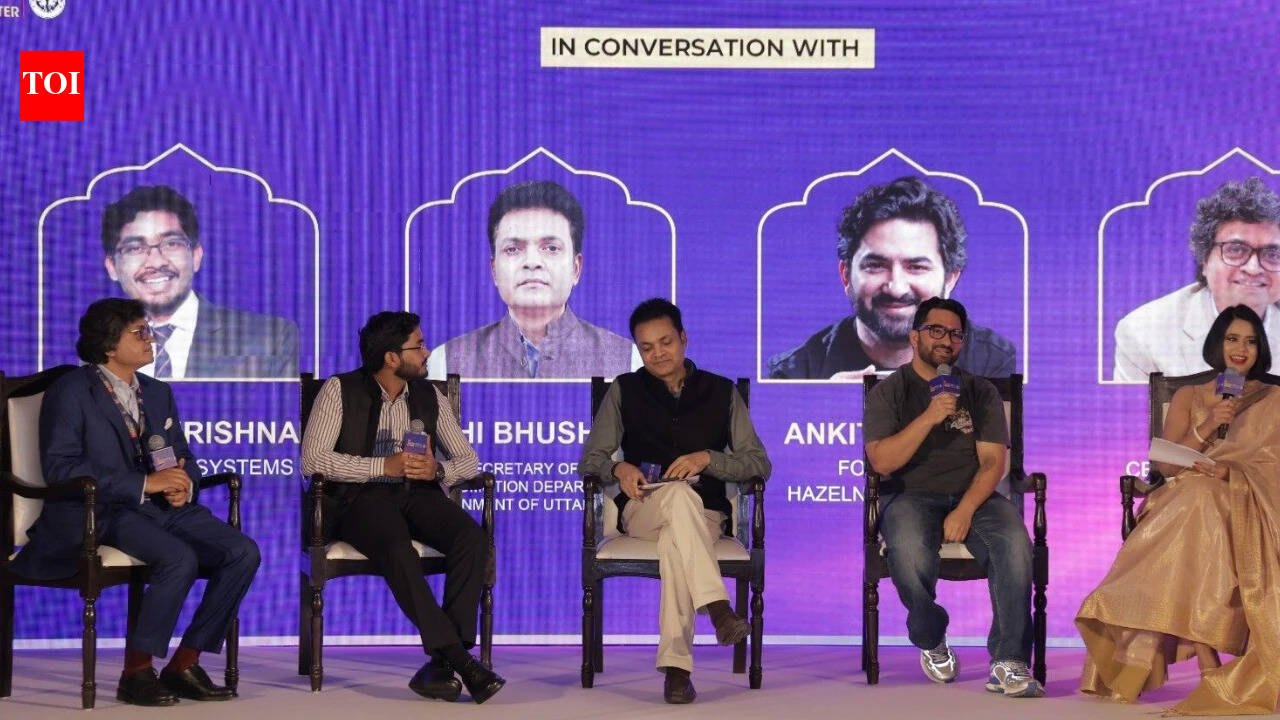 Uttar Pradesh Aims for Global Manufacturing Hub Status by 2030, Officials and Industry Leaders Say
 Kanpur's Mega Legal Aid Camp Connects 43 Departments and Eligible Beneficiaries on November 1
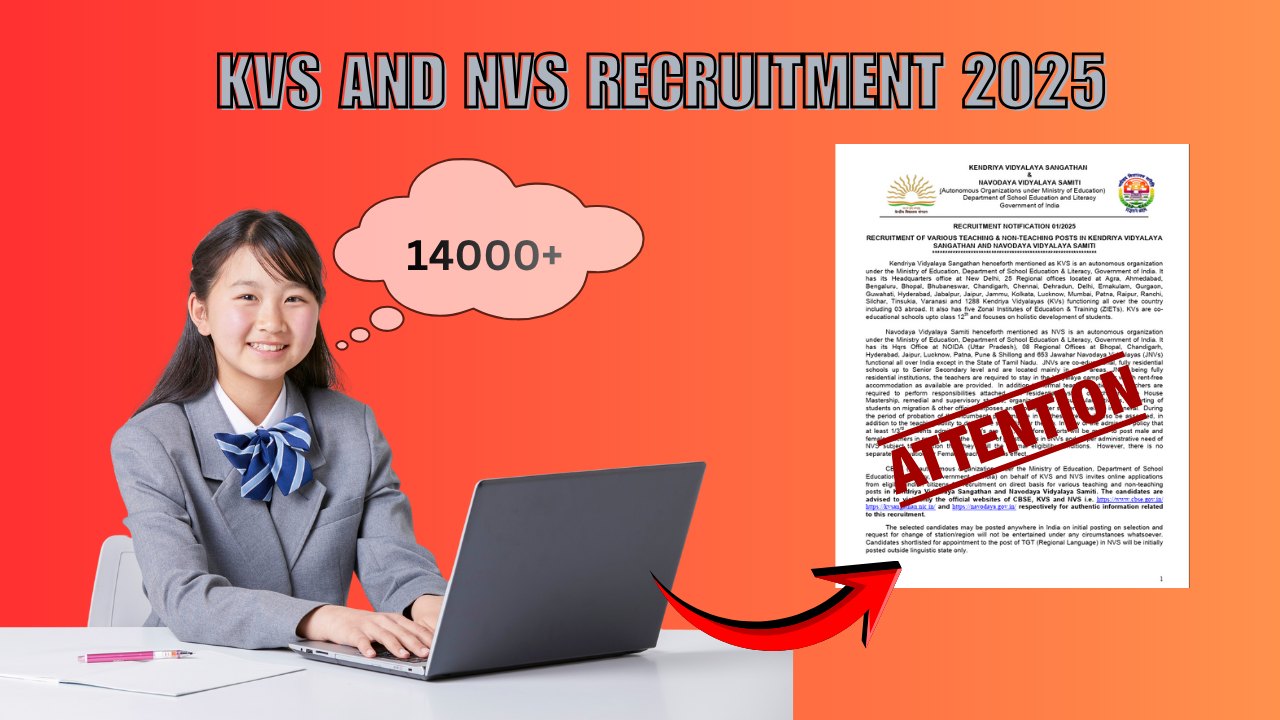 Kendriya Vidyalaya and Navodaya Vidyalaya Recruitment 2025: 14,967 Vacancies Open
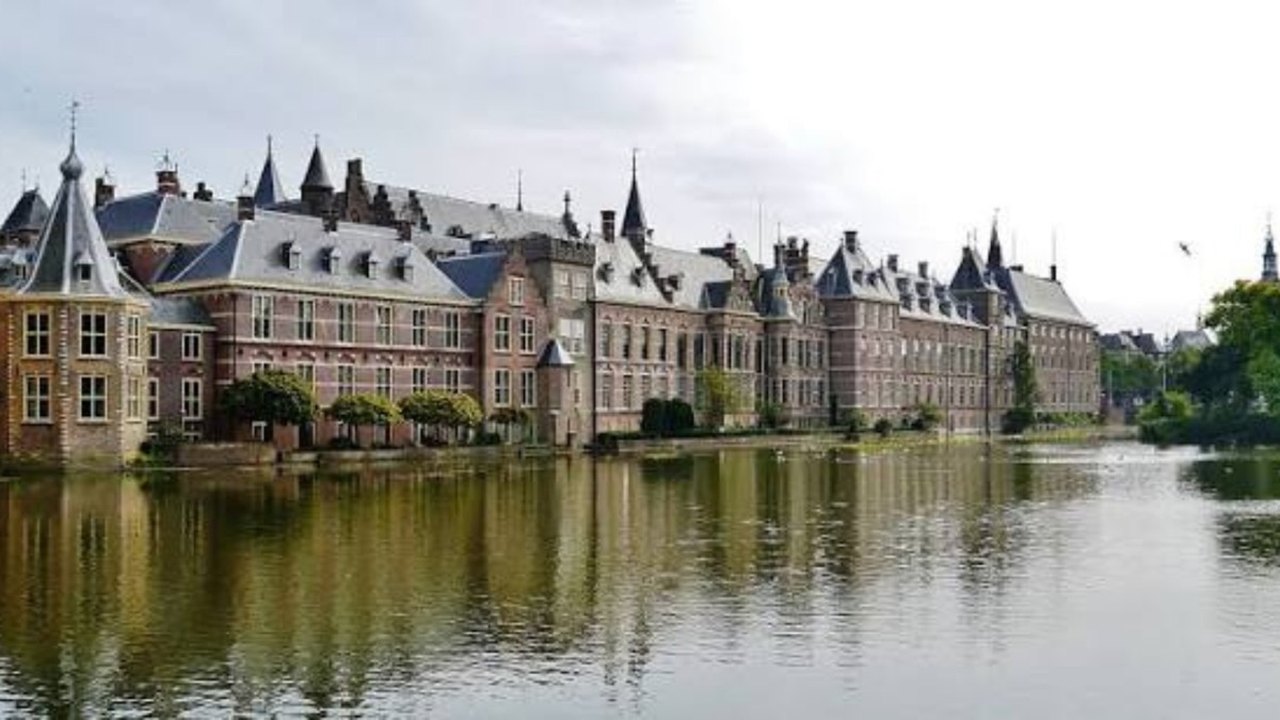 Dutch Government Plans to Phase Out 25,000 Civil Servant Roles, Relying on AI to Save Billions
Trending on GlobeWire Daily
Selected from recent coverage and related topics; not live search rankings.
 What the Science Actually Says About Seed Oils and Human Health
 Weekend Alcohol Consumption and Women's Health: Examining the Science Behind Breast Cancer Risks
 ARCI Recruitment 2026: Applications Open for 29 Technical, Administrative, and Scientific Posts
 France Announces Overhaul of University Admissions Platform and Boosts Education Funding Amid Student ProtestsKendriya Vidyalaya and Navodaya Vidyalaya Recruitment 2025: 14,967 Vacancies Open
 Karnataka School Education Department Extends Online Application Deadline for 2026 Teacher Recruitment to 16 November