AIIMS Introduces Video Consultation Facility to Ease Follow-Up Care
· GlobeWire Daily Science Desk · Source: news.abplive.com
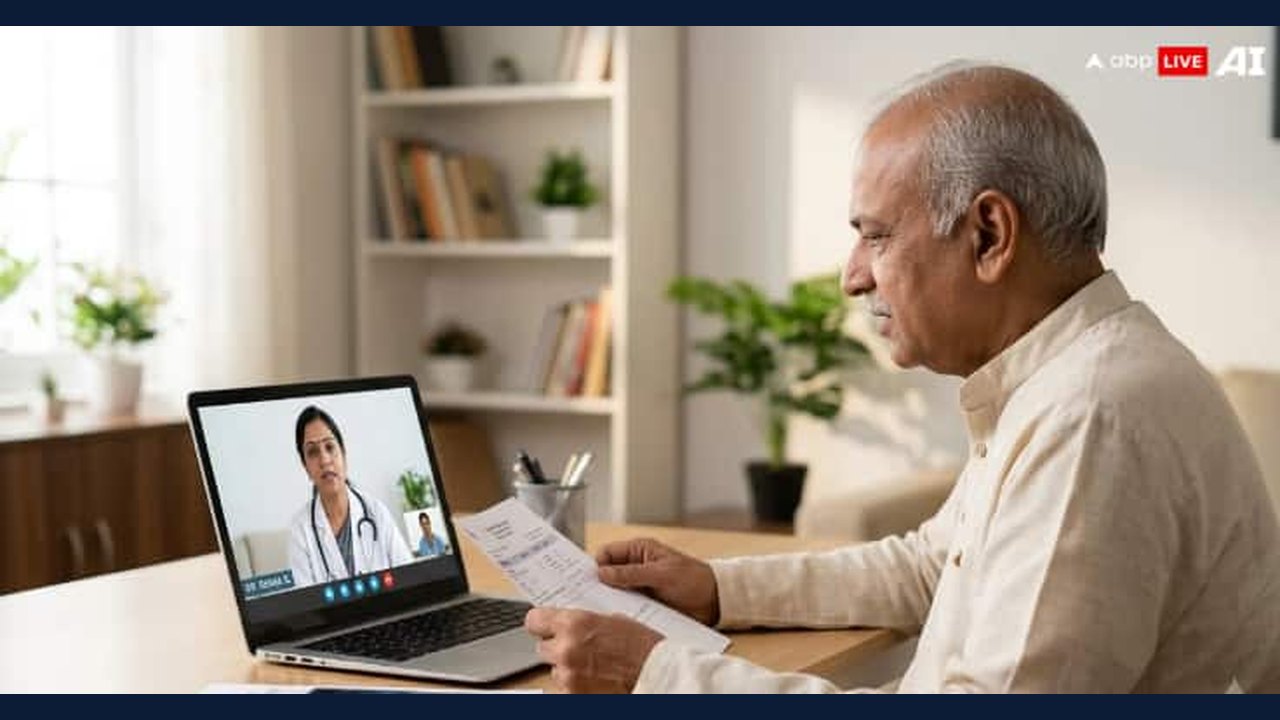
Image: ABP Live Lifestyle · Photo source · Resized and letterboxed to 16:9; no AI generation
The All India Institute of Medical Sciences (AIIMS) has introduced a video consultation facility designed to simplify follow-up care for patients. According to the reported details, this telemedicine service allows registered individuals to connect with doctors remotely, share diagnostic reports, and discuss ongoing treatment updates without needing to travel to the hospital for every routine check-up.
Key Benefits of the Telemedicine Facility
- Reduced Travel Burden: Patients travelling from different cities and states can save on transportation and accommodation costs.
- Convenience for Chronic Care: Individuals managing long-term conditions like diabetes, high blood pressure, and heart ailments can periodic review their health remotely.
- Post-Operative Recovery: Patients recovering from surgeries may share recovery progress in suitable cases without repeated physical visits.
Limitations and When In-Person Visits Remain Mandatory
While remote consultations aim to improve accessibility, reports emphasize that telemedicine cannot replace all hospital visits. Patients still need to visit AIIMS physically under several circumstances:
- Procedures requiring direct medical supervision, surgeries, or chemotherapy.
- Certain diagnostic tests and physical examinations.
- Situations where a doctor determines that a condition cannot be fully assessed via video call.
How to Verify and Practical Implications
Patients interested in utilizing this digital healthcare option should check the official AIIMS portal or hospital guidelines for registration steps, scheduling procedures, and eligibility criteria for specific departments. This initiative is intended to complement traditional care rather than replace comprehensive in-person evaluations when clinical judgment requires physical presence.
AI-assisted reporting; source claims are attributed and have not been independently verified.
More to read
 Suno Introduces AI-Generated Visuals and Video Feature for Songs
 Reported: Amazon Introduces Prime Video Ultra Ad-Free Tier at $4.99 Monthly
 IGNOU Introduces Online Assignment Submission Facility for Students
 AIIMS Gorakhpur Executive Director Vibha Dutta Falls Ill, Highlights Missing Cath Lab Facility