Cambridge Dictionary Names 'Human' as Word of the Year for 2026
· GlobeWire Daily Science Desk · Source: www.theguardian.com
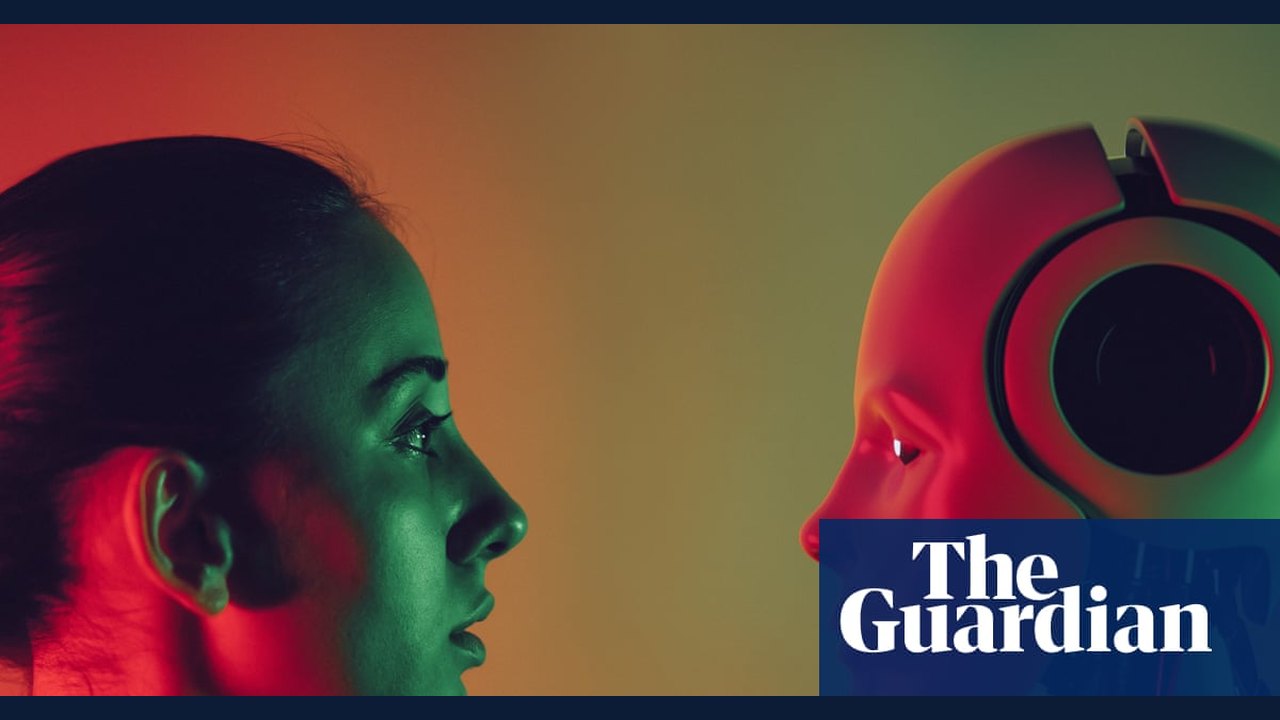
Image: the Guardian · Photo source · Resized and letterboxed to 16:9; no AI generation
The Focus on Humanity
The Cambridge Dictionary has officially selected 'human' as its word of the year for 2026. This decision reflects the growing societal discourse surrounding the rapid advancement of artificial intelligence and the desire to delineate the unique characteristics of biological people versus machine intelligence.
Defining the Human Experience
Dictionary editors have defined 'human' specifically as possessing the qualities, vulnerabilities, and emotions inherent to people, distinguishing them from machines, animals, or deities. According to Colin McIntosh, an editor at the dictionary, the term has gained prominence because the rise of AI chatbots is forcing society to reconsider how we rely on automated systems for thinking.
Perspectives on AI and Identity
- Academic Discourse: Prof. Rachel Adams of the University of Cambridge noted that AI serves as a catalyst for ancient questions regarding identity and the definition of humanity.
- Technological Debate: The selection follows ongoing debates regarding machine consciousness. While some figures like evolutionary biologist Richard Dawkins have suggested computers may exhibit human-like traits, sceptics emphasize the fundamental differences in how biological brains and AI systems are structured.
- Linguistic Trends: There has been a notable increase in the use of compound phrases like 'human-made' as users attempt to categorize work as distinct from computer-generated output.
Shortlisted Terms and Digital Culture
The dictionary also highlighted other tech-related terms that reflect current digital trends:
- Agent: Refers to AI systems capable of operating autonomously.
- Analogues: Describes activities that exist outside the digital sphere.
- Wholesome: A non-tech term selected for its focus on physical, moral, or emotional well-being.
New dictionary additions also included social media-driven terms like 'looksmaxxing' and 'aura farming', highlighting the evolving lexicon influenced by online platforms.
AI-assisted reporting; source claims are attributed and have not been independently verified.
More to read
 Cambridge Dictionary Selects 'Human' as 2026 Word of the Year Amid AI Concerns
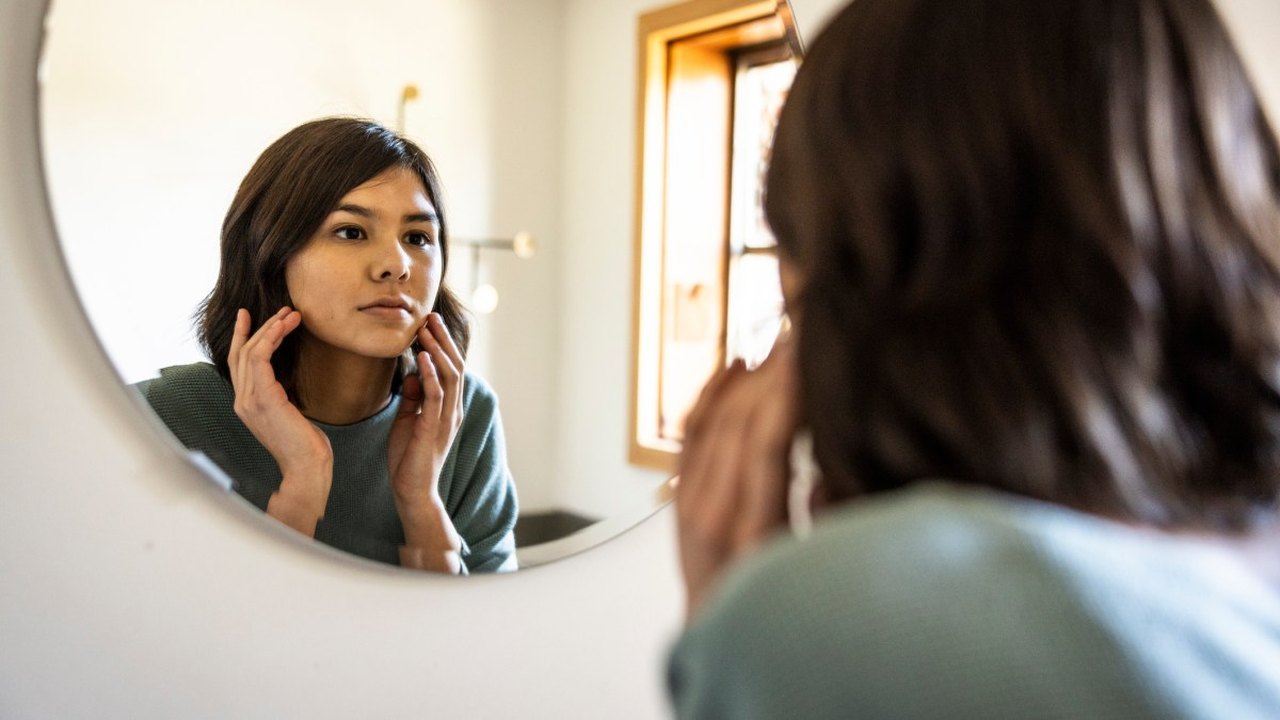 Dictionary.com Names 'Maxxing' as Its Word of the Year for 2026
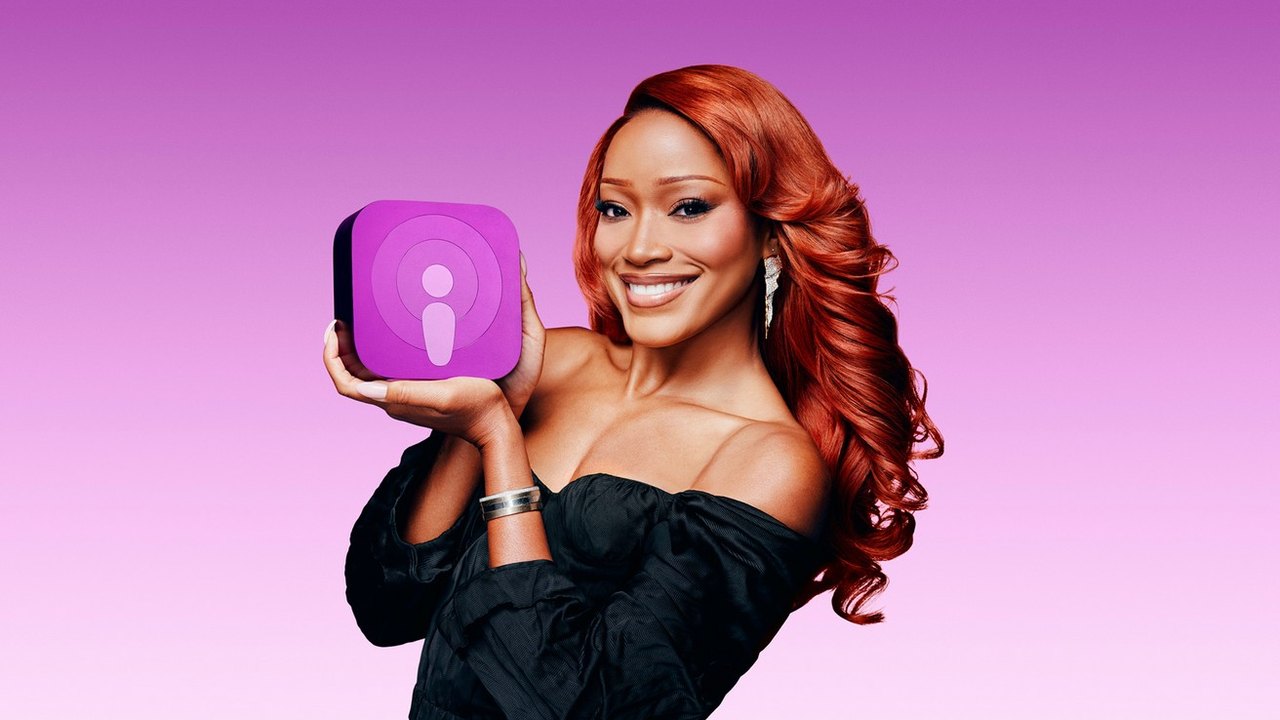 Apple Podcasts Names 'Baby, This Is Keke Palmer' the 2026 Show of the Year
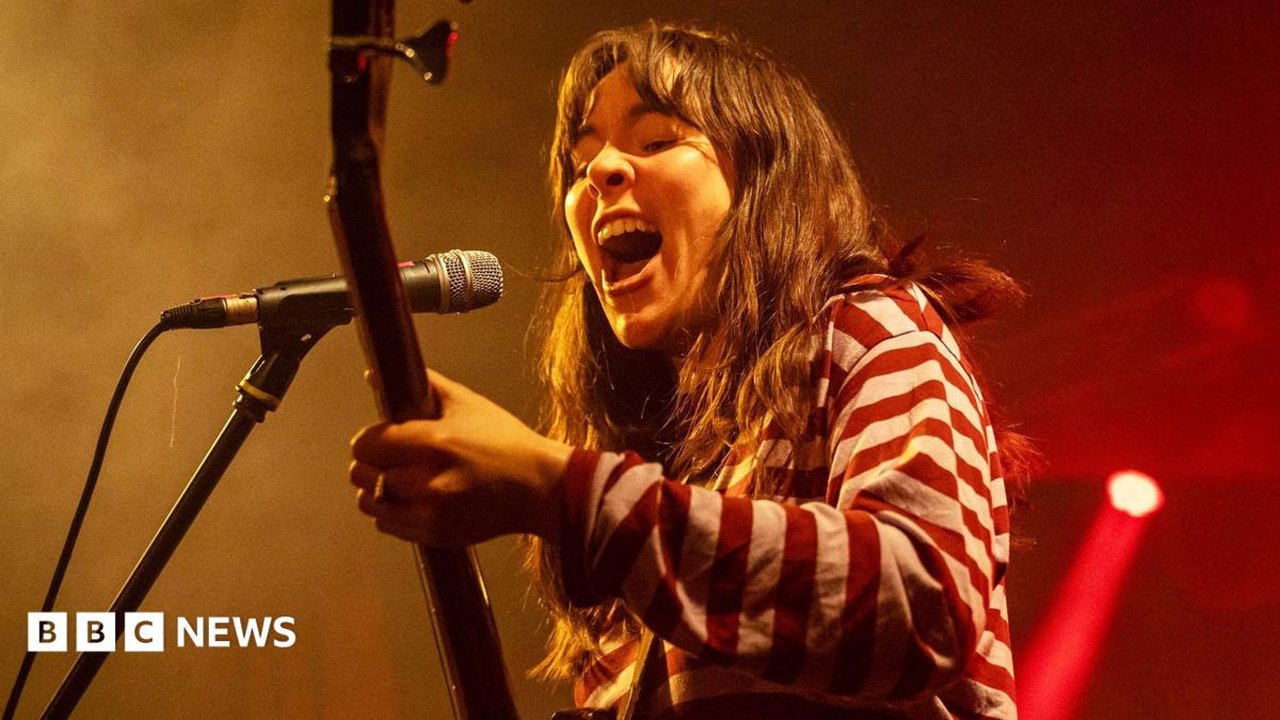 Westside Cowboy Named BBC Introducing Artist of the Year 2026