Global Mangrove Forests Show Unexpected Rebound Since 2010, Research Finds
· GlobeWire Daily Science Desk · Source: science.nasa.gov
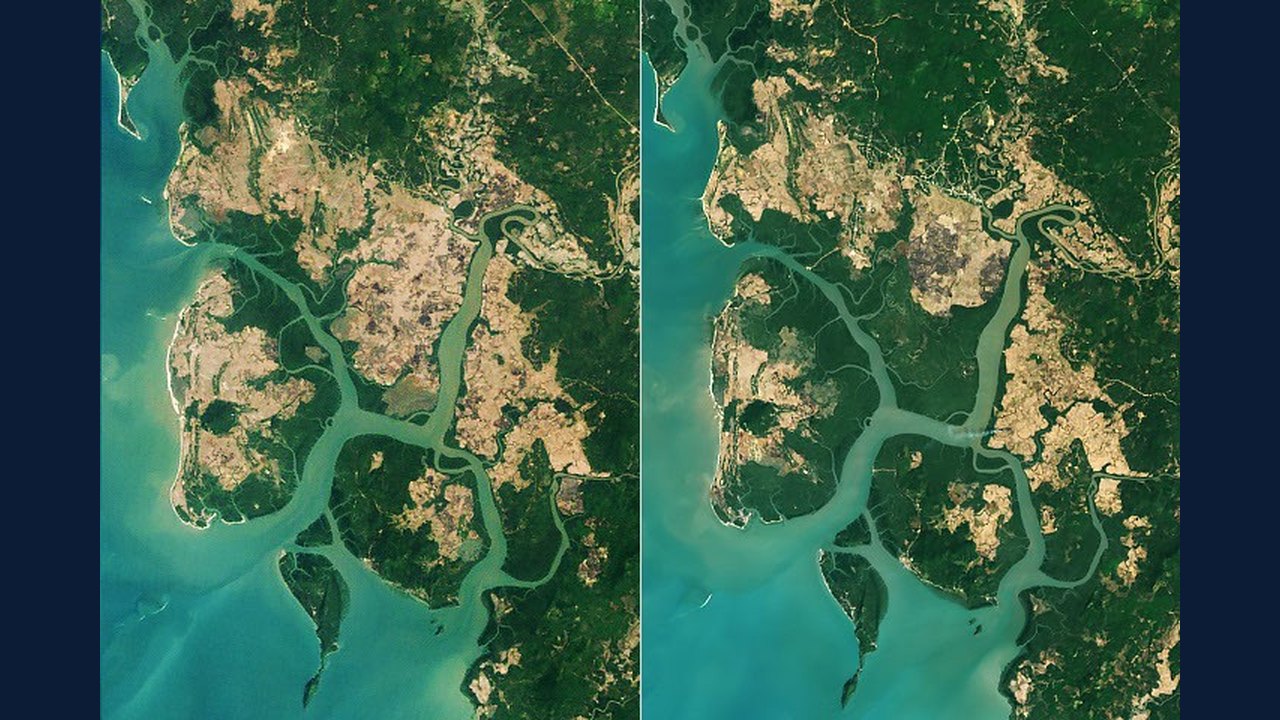
Image: NASA Science · Photo source · Resized and letterboxed to 16:9; no AI generation
Satellite data analyzed by researchers indicate that global mangrove forests have experienced an unexpected rebound since around 2010, following decades of reported decline. Published in the journal Science, the study utilized Landsat imagery collected between 1984 and 2023 to map changes in the extent and density of mangrove canopies worldwide.
According to the findings, researchers tallied losses of nearly 3,000 square kilometers between 1984 and 2010. However, this trend shifted when they observed an increase of nearly 2,000 square kilometers of mangroves after 2010, alongside denser canopies in several regions, indicating healthier and less degraded forests.
Key Findings and Regional Trends
- Global Extent: Researchers analyzed satellite imagery from 1984 to 2023, documenting a turnaround that began around 2010, primarily driven by expansion in Asia, Australia, and South America.
- Drivers of Expansion: Tulane University environmental scientist Zhen Zhang noted that about two-thirds of the expansion resulted from mangroves colonizing new areas, while the remaining third came from restoration and regrowth in degraded areas.
- Southeast Asia Turnaround: Countries like Burma experienced rapid mangrove losses in the 1980s and 1990s due to agricultural and aquaculture expansion, but trends reversed around 2010 due to increased awareness, post-tsunami restoration efforts, strong legal protections, and sedimentation creating new mudflats.
- Natural Factors: In northern Australia and near the Amazon River, sediment deposition created new mudflats for colonization. Additionally, warming temperatures and fewer freezes allowed mangroves to expand at their northern and southern ranges, such as in the southeastern United States.
Challenges and Ongoing Risks
Despite positive global numbers, localized losses and challenges persist. West and Central Africa saw reduced total mangrove areas due to substantial losses in the Niger Delta. Furthermore, North America and southern Africa experienced widespread degradation caused by tropical cyclones.
Researchers caution that recent gains do not eliminate ongoing environmental challenges. Deforestation remains an issue in areas like Burma, and scientists emphasize that conservation efforts must continue alongside natural expansion.
Practical Implications and Verification
Mangrove ecosystems play a crucial role in coastal protection, serving as natural buffers against erosion and storm surges while storing significant amounts of carbon. Their stilt-like roots also provide vital habitats for marine life.
Readers interested in verifying these findings can consult the published study in *Science* (Zhang et al., 2026) or review data resources provided by the NASA Earth Observatory and Tulane University.
AI-assisted reporting; source claims are attributed and have not been independently verified.
More to read
 New Global Research Finds 48% of Employees Worry About Being Judged for Not Using AI Enough
 India Sees 38% Decline In TB Deaths Since 2015, Outperforms Global Progress: WHO Report
 Vice-President Urges Global Research Partnerships at Dr NTR University Ruby Jubilee
 Global Luxury Spending Holds Steady at €1.5 Trillion in 2026, Bain & Company Report Finds