How an 11-year-old British Girl Named Pluto During a 1930 Breakfast
· GlobeWire Daily Science Desk · Source: timesofindia.indiatimes.com
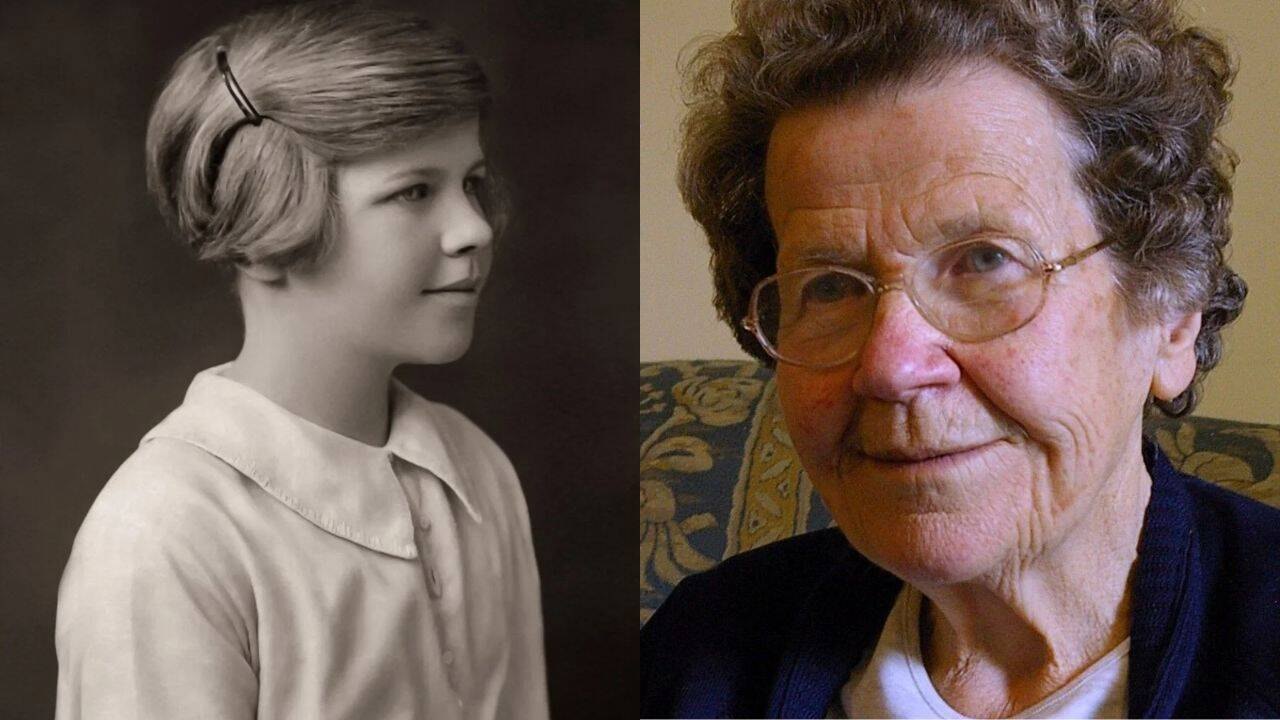
Image: The Times of India · Photo source · Resized and letterboxed to 16:9; no AI generation
Following the discovery of a new celestial object beyond Neptune in March 1930, an 11-year-old British schoolgirl named Venetia Burney suggested the name Pluto after learning about the find during a family breakfast. Historical records, interviews, and observatory archives document how her suggestion reached American astronomers and became part of astronomical history.
The Discovery and the Search for a Name
The search for an unseen planet beyond Neptune began decades earlier. American astronomer Percival Lowell searched for what he termed Planet X from 1906 until his death in 1916. The search resumed in 1929 when Lowell Observatory director Vesto Slipher hired Clyde Tombaugh. Tombaugh used photographic plates to identify a moving object, leading to the confirmation of a new body announced by Lowell Observatory on 13 March 1930.
With the discovery announced, astronomers faced the task of naming the distant object. Lowell Observatory reportedly received about 1,000 name suggestions from around the world.
Breakfast Conversation and Family Connections
On 14 March 1930, Venetia Burney was having breakfast in Oxford, England, with her mother and grandfather, Falconer Madan, a retired Bodleian Library head librarian. When Madan shared the news of the discovery and wondered what the object might be called, Burney suggested Pluto.
According to a 2006 NASA interview, Burney was familiar with classical mythology from children's books and felt Pluto was suitable because the name had not been used for another planet. Madan recognised the potential of the idea and passed it to Herbert Hall Turner, an Oxford professor and former Astronomer Royal attending a Royal Astronomical Society meeting in London. Turner then telegraphed the suggestion to Lowell Observatory on 16 March 1930.
Selection and Later Recognition
Astronomers selected the name because it fit classical mythology traditions for planets—representing the Roman god of the underworld, appropriate for a dark, distant object—and because its first two letters matched the initials of Percival Lowell. Lowell Observatory officially announced the name on 1 May 1930, and reports indicate Burney received a financial reward.
Pluto was recognised as the ninth planet for over 70 years until the International Astronomical Union established a formal planet definition in 2006, reclassifying Pluto as a dwarf planet following discoveries in the Kuiper Belt.
Burney did not pursue astronomy, later working as an accountant and teacher. Ahead of NASA's New Horizons mission to Pluto, the spacecraft team named an instrument after her in June 2006, and NASA later honoured her with a plaque and model at her home before her passing in April 2009 at age 90.
Practical Implications and Verification
- Readers can verify historical naming details through archives such as the Arizona Memory Project and NASA historical records.
- Official announcements regarding astronomical discoveries and definitions can be reviewed via the Lowell Observatory, American Astronomical Society, and International Astronomical Union.
AI-assisted reporting; source claims are attributed and have not been independently verified.
More to read
 Buxar, Bihar: Accused Arrested for Attempted Assault on 4-Year-Old Girl During Chhath Preparations
 Six-Year-Old Girl Killed After Being Hit by Speeding Bolero in Kushinagar
 Bradford councillor stabbed during public duties; 32-year-old arrested
 Deoria: 17-Year-Old Girl Missing for Three Days, Abduction Feared