How Global Wildfires Shifted During Early 2020 Mobility Restrictions
· GlobeWire Daily Science Desk · Source: arstechnica.com
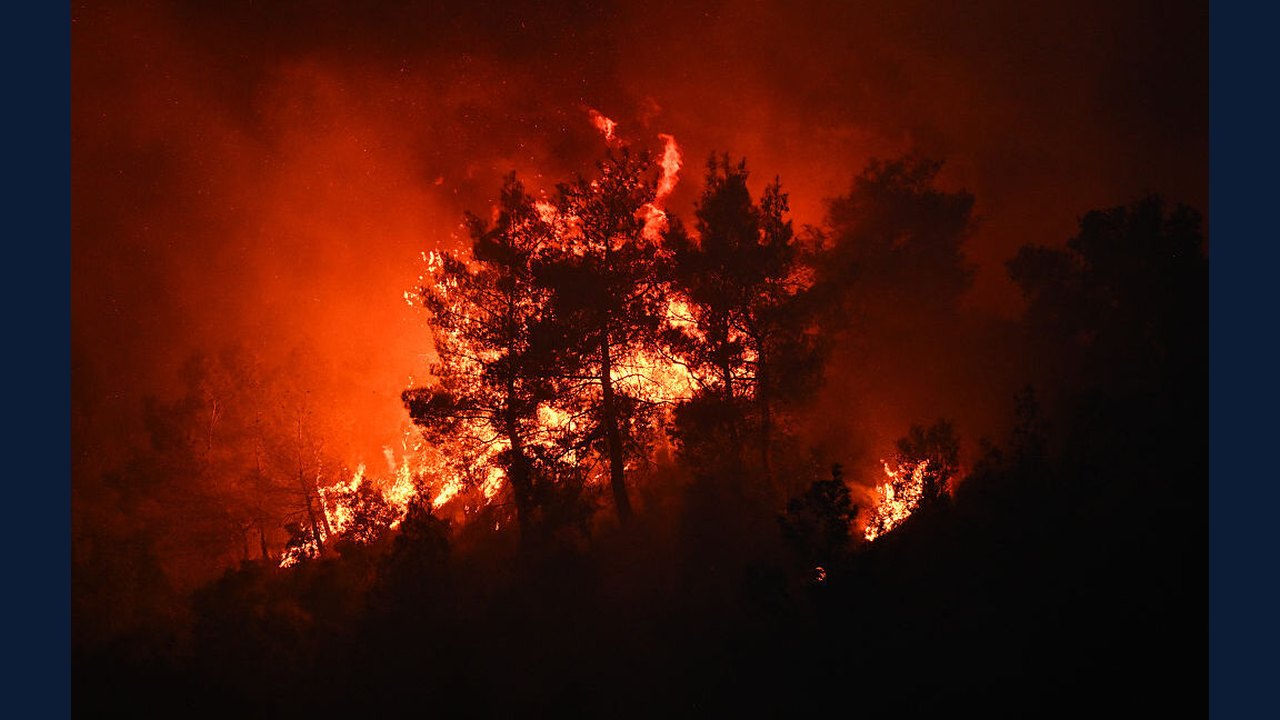
Image: Ars Technica · Photo source · Resized and letterboxed to 16:9; no AI generation
A published study in Cell Reports Sustainability analyzes how global wildfire activity changed during the early-2020 COVID-19 lockdowns, utilizing them as a natural experiment to study human impacts on fires.
Understanding the Research and Natural Experiment
Researchers led by Jianghao Wang of the Chinese Academy of Sciences analyzed data from NASA and NOAA's Suomi NPP satellite, specifically using its VIIRS sensor to track active-fire detections at a 375-meter resolution. By comparing the first half of 2020 with the same weeks from 2013 to 2019, while controlling for weather variations, the team examined the net effect of reduced human mobility on wildfire occurrences.
Key Findings and Regional Variations
- Global Net Decline: Areas under lockdown experienced about 12.3 percent fewer active-fire detections on average compared to the recent-past baseline, after adjusting for weather conditions.
- Ecosystem Differences: Forests saw a decline of about 27.7 percent, and grasslands decreased by 8.4 percent, while shrublands, savannas, and croplands showed minimal differences.
- Regional Increases: Conversely, certain areas experienced increases in fire detections during lockdowns, such as Colombia (31.4 percent), India (25.4 percent), and Honduras (70.7 percent).
Limitations and Policy Implications
The study notes that the 12.3 percent figure represents a net effect combining both reduced human ignitions and potentially diminished fire suppression or management capacities. Prescribed burning areas also dropped by about half in twelve analyzed countries. Wang emphasized that the study relies on associational evidence rather than a controlled experiment and does not evaluate specific fire policies. The findings suggest that uniform policies are unlikely to be effective and that local strategies should account for distinct human-fire relationships.
AI-assisted reporting; source claims are attributed and have not been independently verified.
More to read
 Deloitte Highlights Global Mobility and Immigration Role in Hyderabad
 IPCC Report Delay Threatens Global Climate Action, Scientist Warns
 Coyote Sighting Marks Early Activity on California's $114 Million Wildlife Crossing
 Unprecedented Early Polar Vortex Breakdown Threatens Winter Weather Uncertainty