Health & Science
How This Year’s Super El Niño Strains Global Food Security
· GlobeWire Daily Editorial Desk · Source: www.wired.com
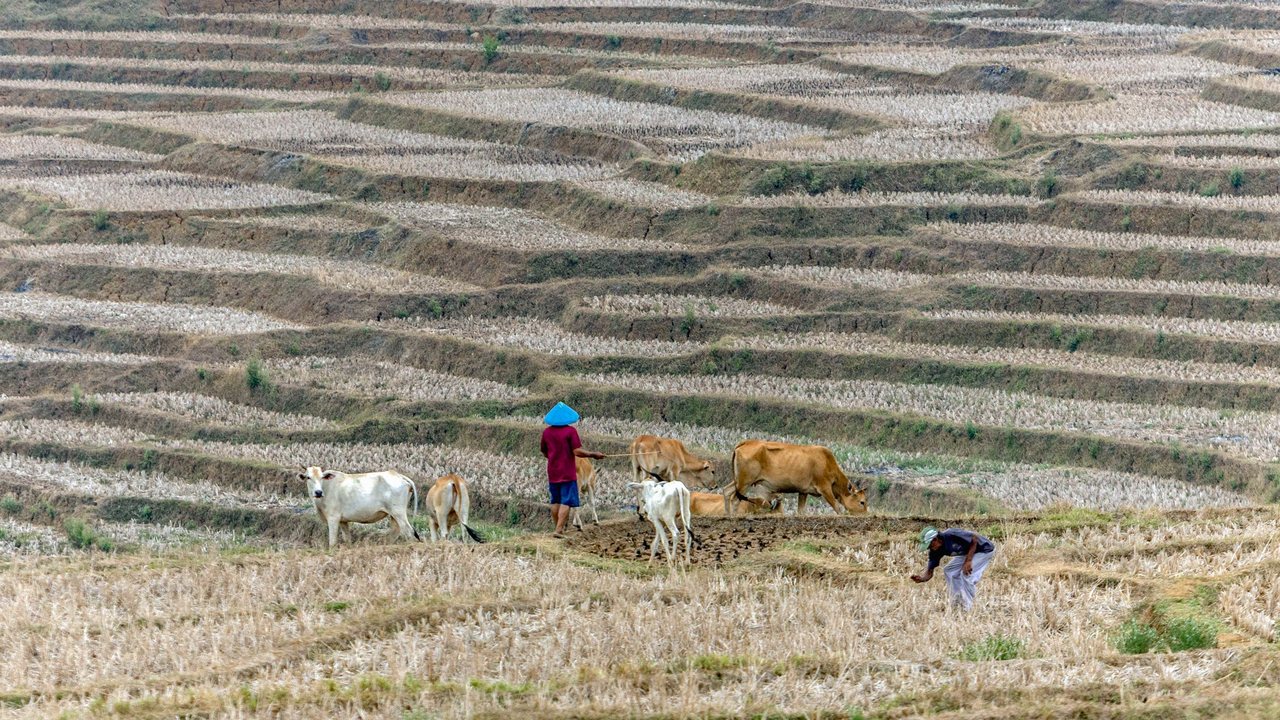
A super El Niño climate phenomenon is currently active, bringing widespread warmth to the tropical Pacific, altering global rainfall patterns, and straining agricultural production across multiple regions. While overall global food production for the current season remains near historical highs, localized droughts, high fertilizer and energy costs, and reduced humanitarian funding are compounding risks to food security.
Understanding El Niño and Agricultural Impacts
- Climate Mechanism: El Niño involves unusually warm waters in the tropical Pacific, altering global air pressure and rainfall. This frequently brings dry conditions to parts of the Amazon, Australia, and Africa, while delivering rain to other regions.
- Crop Pressures: Studies indicate that El Niño patterns tend to suppress yields for maize, rice, and wheat in various regions, even while slightly boosting production for others like soybeans.
- Cascading Disruptions: Experts note that diminished rainfall causes low river levels that obstruct transport, dry out irrigation sources, and damage livestock feed supplies.
Regional Effects and Global Markets
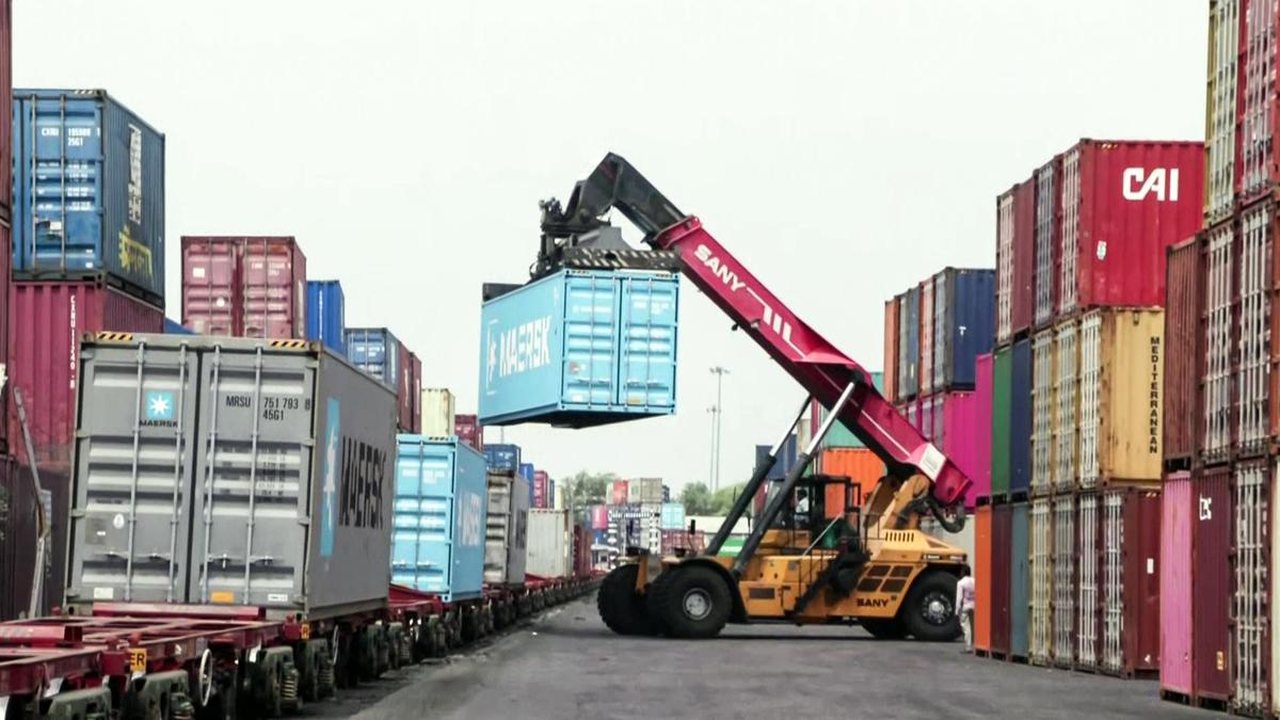
- Fisheries and Shipping: Warm waters and reduced plankton have impacted regional fisheries, while low water levels have disrupted transit routes such as the Panama Canal and the Kapuas River in Indonesia.
- Economic Strains: High costs for energy and fertilizer, compounded by ongoing geopolitical conflicts and constrained supply chains, have kept global food prices elevated.
- Aid Shortages: Organizations like the World Food Programme report that global humanitarian aid funds have declined from previous peaks, limiting the scope of assistance available for populations facing acute food insecurity.
Mitigation and Verification
- Early Warning Systems: Because meteorologists can track El Niño developments in advance, agencies have worked to distribute drought-resistant seeds, provide cash assistance, and deliver storage silos in vulnerable regions.
- Verification: Readers can review updates from international agencies such as the World Food Programme, the Food and Agriculture Organization, and climate researchers publishing data on tropical Pacific temperatures.
Share this article
Read the original source How This Year’s Super El Niño Will Worsen Global Hunger