November 2026 Skywatching Guide: Planets, Meteors, and the Beaver Supermoon
· GlobeWire Daily Science Desk · Source: www.cnet.com
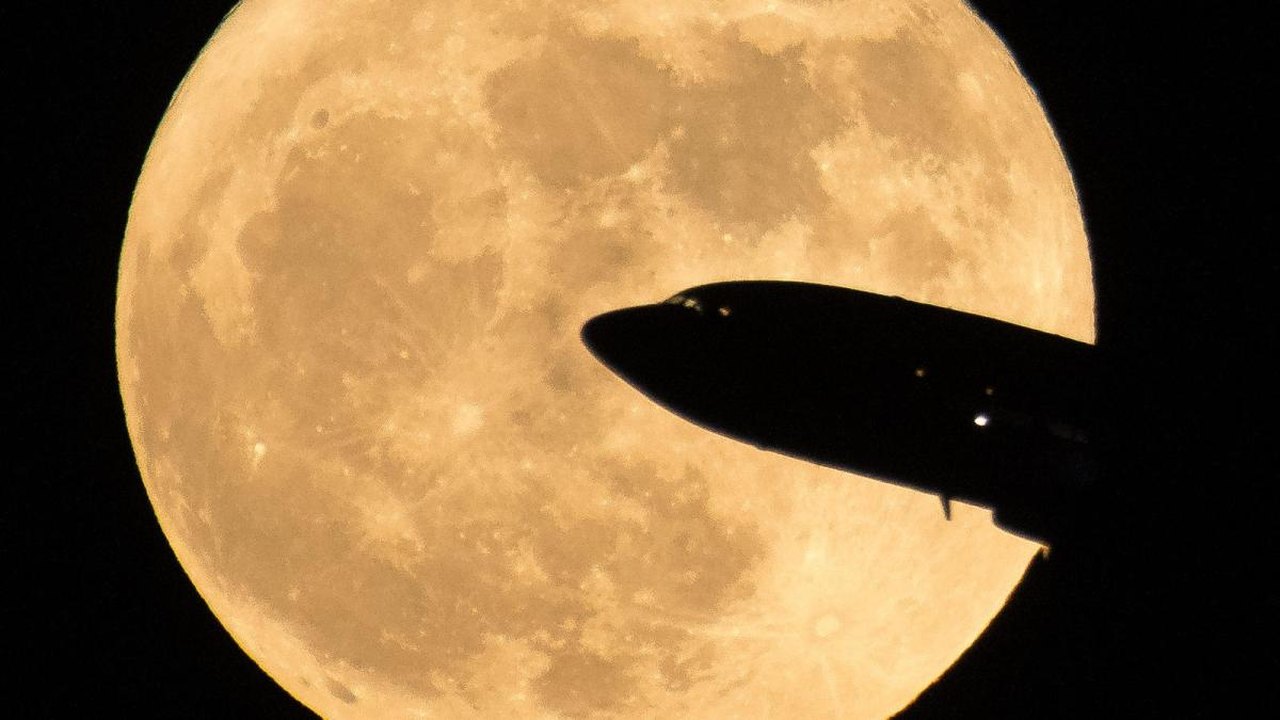
Image: CNET · Photo source · Resized and letterboxed to 16:9; no AI generation
Stargazers have multiple opportunities to view planets, meteor showers, and a supermoon throughout November 2026. With earlier sunsets following the end of daylight saving time, evening and pre-dawn hours offer clear windows for astronomical observation.
Planetary Visibility and Alignments
All planets remain visible at various points during November, though viewing conditions depend heavily on timing and proximity to the sun:
- Mercury: Reaches western elongation on Nov. 20, providing a brief window for pre-dawn viewing during the latter half of the month.
- Venus: Visible in the morning sky, becoming progressively easier to spot as it moves further from the sun.
- Mars and Jupiter: Appear close together all month, accompanied by the star Regulus to form a visible naked-eye trio. A broader planet parade featuring Mercury, Venus, Mars, and Jupiter is expected before sunrise around late November.
- Saturn and Neptune: Positioned closely together in the evening sky, best viewed shortly after dark using binoculars or a telescope.
- Uranus: Reaches opposition on Nov. 25, maximizing its distance from the sun and visibility, though optical aids are recommended.
Meteor Showers
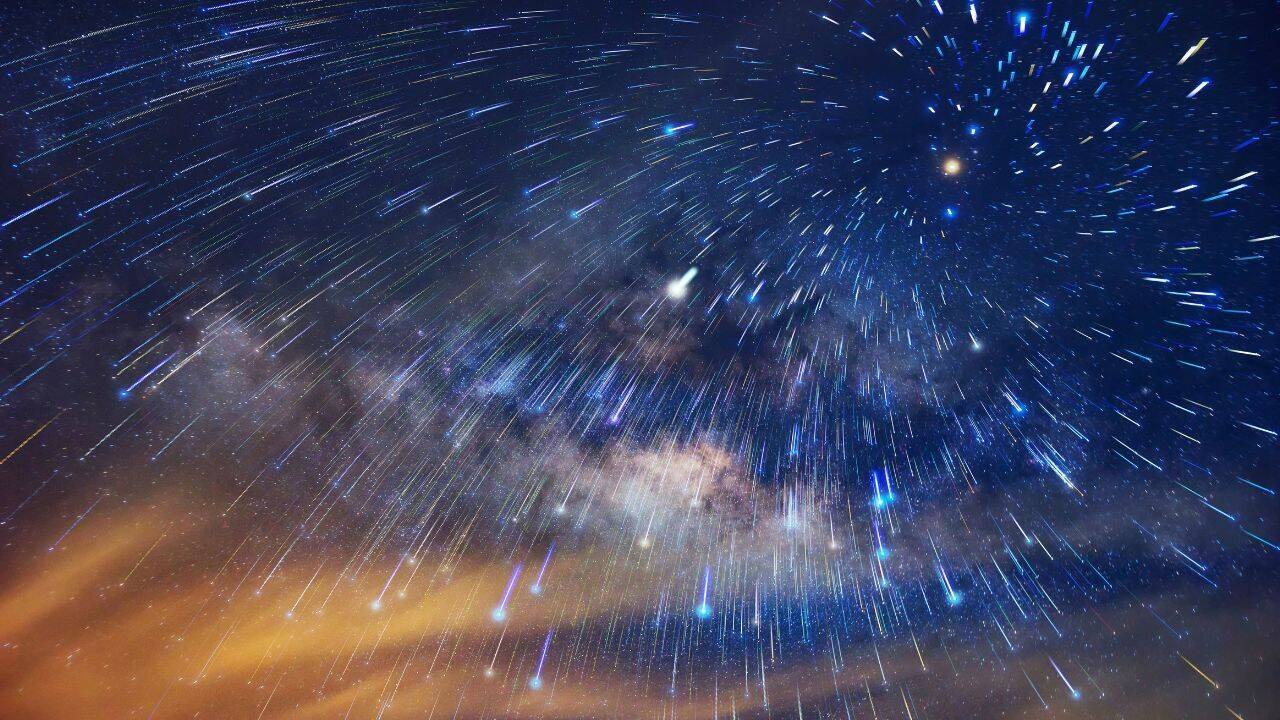
The Northern Taurids peak mid-month under favorable dark-sky conditions, offering about five meteors per hour with potential fireballs, fueled by comet 2P/Encke. Meanwhile, the Leonid meteor shower peaks around November 16–17. While optimal conditions can yield roughly 15 meteors per hour, a 41% illuminated moon is expected to create some natural light pollution, and historic storm-level activity is not anticipated for 2026.
Lunar Highlights
The Beaver Supermoon peaks on November 24, marking the first in a sequence of four consecutive supermoons. Because peak illumination occurs after U.S. sunrise, observers are advised to view the moon on the evenings of November 23 or 24. A final celestial conjunction featuring the nearly full moon, Mars, Jupiter, and Regulus is scheduled for November 30.
Practical Implications and Verification
To verify viewing times and locate specific celestial objects, astronomers recommend utilizing reliable sky maps or planetarium software such as Stellarium. Observers should check local weather forecasts and light pollution levels before planning observation sessions.
AI-assisted reporting; source claims are attributed and have not been independently verified.
More to read
 November 2026 Skywatching Guide: Leonids, Taurids and Full Supermoon Announced by NASA
 Coleman Promotional Offers, Discounts, and Shopping Guide for November 2026
 Gorakhpur AIIMS to Host UPSICON-2026 Focusing on AI and Robotic Surgery from November 26
 Detroit Terminal Market Fruit Prices Report for November 18, 2026