Scottish Highlands Launch 100‑Year Plan to Restore 7,500 Hectares of Habitat
· GlobeWire Daily Science Desk · Source: timesofindia.indiatimes.com
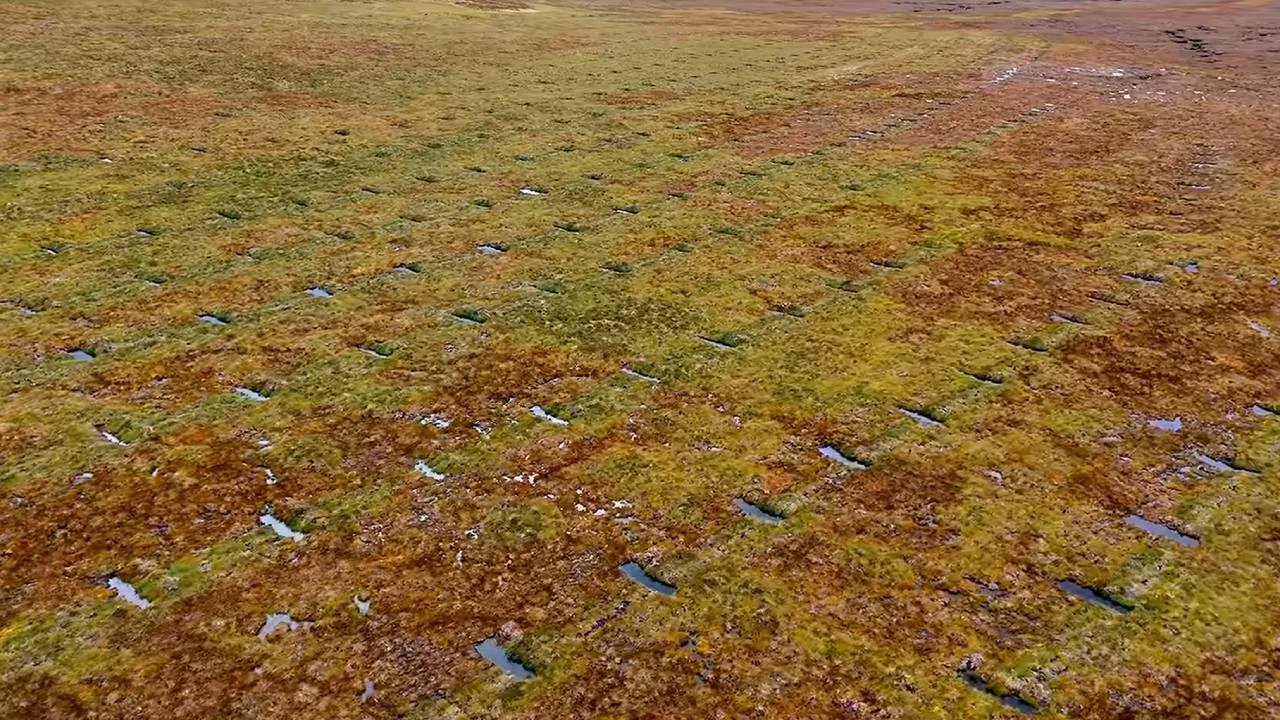
Image: The Times of India · Photo source · Resized and letterboxed to 16:9; no AI generation
Overview
The Scottish Highlands have begun a century‑long conservation effort to revive 7,500 hectares of degraded land in the Cairngorms National Park. The project, led by the Durrell Wildlife Conservation Trust with technical support from Planet Wild, entered its third year in 2024 and aims to restore three key ecosystems – peatlands, native woodlands and river corridors – over the next 100 years.
What is confirmed?
- Scope: 7,500 ha of estate within the Cairngorms will be managed as a large‑scale research and restoration site.
- Lead organisations: Durrell Wildlife Conservation Trust (project manager) and Planet Wild (drone mapping, bio‑acoustic monitoring, moth‑light traps).
- Timeline: A 100‑year vision; the first restoration actions began in 2022 and are ongoing.
- Key techniques: Blocking historic drainage channels to re‑wet peatlands, creating “seed islands” of native trees such as whortle‑leaf willow, juniper and dwarf birch, and using drones to identify priority zones.
- Early signs: Within weeks of re‑wetting, water tables have risen; dragonflies and some bird species have returned to treated sites.
Reported claims and context
- Habitat loss: Documentary footage cited by the project states that over 90 % of Scotland’s native forests have disappeared, about 80 % of peatlands are damaged, and roughly half of historic biodiversity is gone.
- Carbon importance: Peatlands, though covering only ~3 % of Earth’s land surface, store roughly twice as much carbon as all global forests combined. Restoring them could cut a portion of the ~5 % of anthropogenic emissions that currently arise from degraded peat.
- Restoration rate: Drone‑guided excavators can re‑wet up to two hectares of peatland per day, according to the team’s internal data.
Unknowns and uncertainties
- The exact timeline for achieving full ecological function of restored peatlands and forests is not defined; progress will be monitored and reported in periodic scientific papers.
- Long‑term deer management targets are still being modelled; the project has not yet announced a specific population reduction goal.
Practical implications
- Local communities: The initiative creates jobs in ecological monitoring, field work and data analysis, and may boost eco‑tourism as the landscape recovers.
- Verification: Interested parties can follow the open‑access restoration blueprint hosted by Planet Wild, which includes live drone maps, sensor data streams and annual progress reports.
- Climate impact: Successful peatland re‑wetting could contribute to Scotland’s net‑zero targets by sequestering carbon and reducing methane emissions from drained soils.
How to follow the project
- Visit the Planet Wild website for the interactive map and downloadable datasets.
- Subscribe to Durrell’s newsletter for quarterly updates on field activities and scientific findings.
- Attend public talks hosted at the Cairngorms visitor centre, where project scientists regularly present interim results.
--- *The article is based on the Times of India report dated 2024 and on statements made by project representatives in the accompanying documentary.*
AI-assisted reporting; source claims are attributed and have not been independently verified.
More to read
 Proton VPN Black Friday Deal Offers 2-Year Plan Discount
 Redmi Note 18 5G Leaks Point to Massive Battery Capacity and Early Next Year Launch in China
 Kia Sorento Crosses 4,500 Wholesale Units Since September Launch
 JLR's Smaller Defender Expected to Launch as an EV Next Year, Reports Indicate