Seabirds Crossing Ocean Time Zones Can Experience Internal Clock Skew
· GlobeWire Daily Science Desk · Source: arstechnica.com
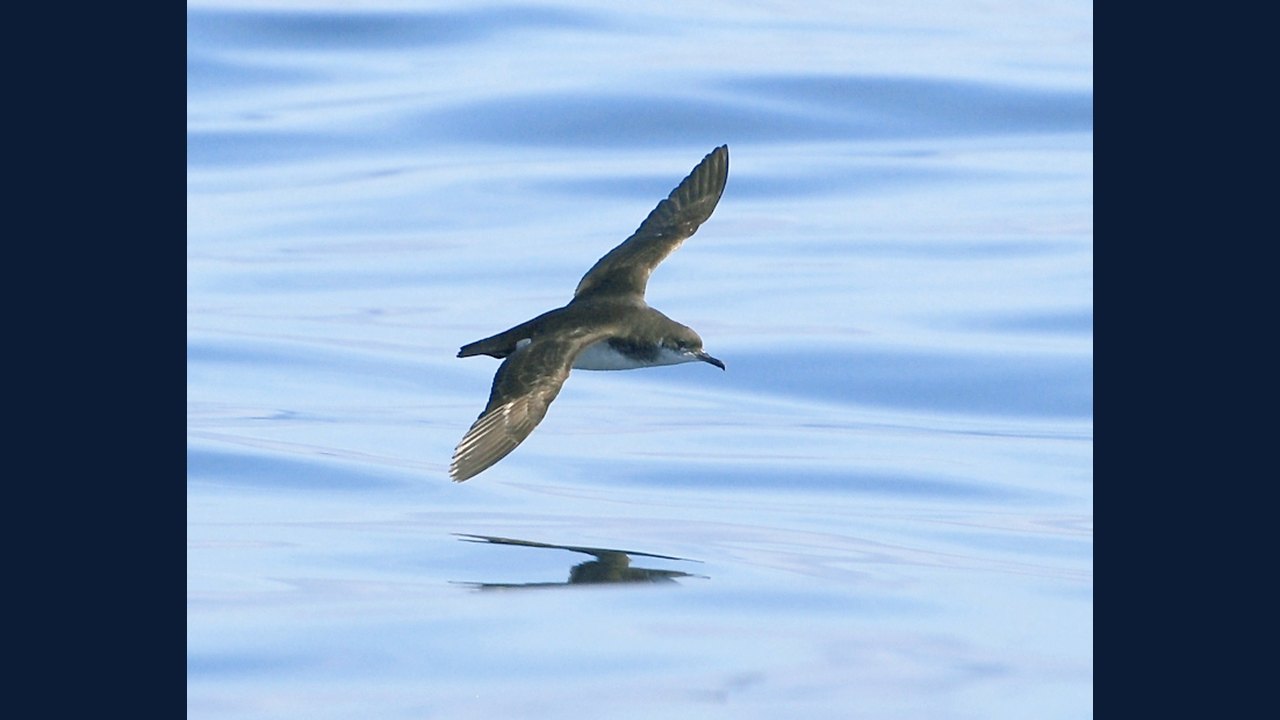
Image: Ars Technica · Photo source · Resized and letterboxed to 16:9; no AI generation
A recent study published in *Science* reports that Manx shearwaters, medium-sized seabirds native to the North Atlantic, can experience internal clock shifts similar to human jet lag during long foraging excursions. Researchers analyzed decades of GPS tracking data to examine how these birds navigate using the Sun and how rapid travel across longitudinal distances affects their directional compass.
How Internal Clocks Affect Navigation
- Sun Compass Mechanics: Manx shearwaters rely on the Sun for directional guidance during long flights over the open ocean.
- Internal Timekeeping: Because the Sun moves across the sky throughout the day, birds require an internal clock to interpret its position accurately.
- Recalibration Lag: The birds reset their internal clocks primarily at dawn and dusk. When they travel east or west rapidly across longitudes within a single day, their internal time falls out of sync with local time.
- Measurable Deviation: According to the study, this mismatch causes the birds to veer slightly off course—clockwise when flying east and anticlockwise when flying west—by predictable margins of up to 15 degrees.
Research Methodology and Findings
Led by behavioral and sensory ecologist Patrick Lewin at the University of Oxford, the research team examined GPS tracking data collected from 1,045 birds across 3,888 foraging trips spanning two decades. By isolating homeward-bound flights, the scientists compared predicted Sun-compass errors against the actual flight paths recorded by GPS.
The observed time shifts were generally small, typically ranging from about 10 to 60 minutes. The resulting navigational drift added relatively minor distances to their journeys, which birds could compensate for using their underlying map sense or familiarity with coastal landmarks. Because the study relied on observational field data rather than a controlled experiment, researchers emphasize caution regarding definitive causality, though alternative factors such as crosswinds or magnetic influences did not match the observed data as closely.
Practical Implications and Verification
- Future Research: Scientists plan to investigate whether these time shifts impact feeding frequency, food delivery to nests, or overall breeding success, as well as whether similar effects occur in other migratory species.
- Biomimetic Potential: Understanding how wild animals manage minor internal clock discrepancies may offer insights for bio-inspired autonomous navigation systems.
- Verification: Readers can review the original published study in the journal *Science* (DOI: 10.1126/science.adz2542) for detailed methodological notes and statistical models.
AI-assisted reporting; source claims are attributed and have not been independently verified.
More to read
 Amazon Launches Echo Time Smart Alarm Clock Designed for the Bedroom
 Amazon Introduces Echo Time Smart Alarm Clock with AI-Powered Sleep Monitoring
 Understanding Emotional Distance: Why Asking a Partner for Time Can Feel Difficult
 Coyote Sighting Marks Early Activity on California's $114 Million Wildlife Crossing