SpaceX Misses Double Catch Attempt But Successfully Catches Starship for First Time
· GlobeWire Daily Science Desk · Source: www.cnet.com
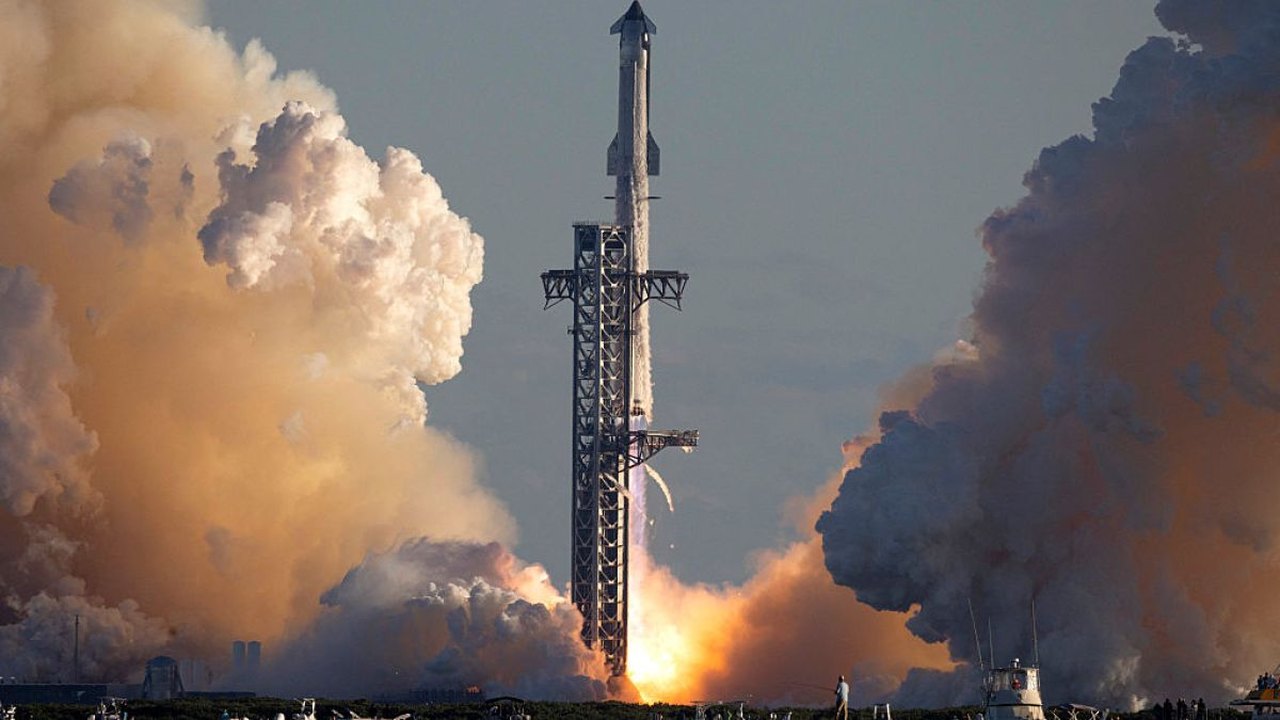
Image: CNET · Photo source · Resized and letterboxed to 16:9; no AI generation
SpaceX attempted an ambitious double-catch maneuver during Launch 15 on Friday, aiming to recover both the Super Heavy V3 booster and the Starship spacecraft using its Mechazilla tower in Boca Chica, Texas. While the dual-recovery goal was not fully achieved, the mission marked a historic engineering milestone as the company successfully caught a rocket's upper stage for the first time.
Mission Overview and Satellite Deployment
- Liftoff: Launch 15 lifted off cleanly on Friday evening.
- Payload: The rocket reached orbit and successfully deployed 26 Starlink V3 satellites.
- Duration: The upper-stage Starship completed roughly 14 orbits before returning nearly 24.5 hours after liftoff.
Super Heavy V3 Booster Recovery Attempt
Friday's flight marked SpaceX's first attempt to recover the upgraded Super Heavy V3 variant. However, the booster recovery fell short of expectations.
- Issue: Spokesperson Kate Tice noted during the webcast that the booster "ended its boostback (burn) early due to a low fuel mass alarm."
- Outcome: The premature shutdown caused the booster to splash down in the Gulf of Mexico, where recovery crews later retrieved it.
- Investigation: SpaceX stated it is still investigating the exact cause of the early shutdown.
First-Ever Starship Mechazilla Catch
Despite missing the booster, the upper-stage Starship returned to the Texas launch site on Saturday after approximately 22.5 hours.
- Landing Maneuver: Three Raptor engines ignited for a landing flip and slow descent.
- The Catch: Mechazilla's arms closed to successfully catch the Starship for the very first time.
Practical Implications and Verification
The operation highlights significant advancements in rocket reusability, even though the simultaneous double catch was unsuccessful. Observers and interested individuals can verify the mission details and watch the complete roughly 23.5-hour webcast on SpaceX's official website or via their official account on X, which covers the launch, the booster splashdown, and the Starship recovery.
AI-assisted reporting; source claims are attributed and have not been independently verified.
More to read
 SpaceX Starship Completes Partial Recovery in 15th Test Flight
 SpaceX Starship Flight 13 Completes Soft Indian Ocean Splashdown After Starlink Launch
 SpaceX Starship Reaches Orbit and Deploys 26 Satellites in Major Test Flight
 Low Enrollment of First-Time Voters in Kushinagar: Over 91% Eligible Youth Missing from Electoral Rolls